Entrepreneurship
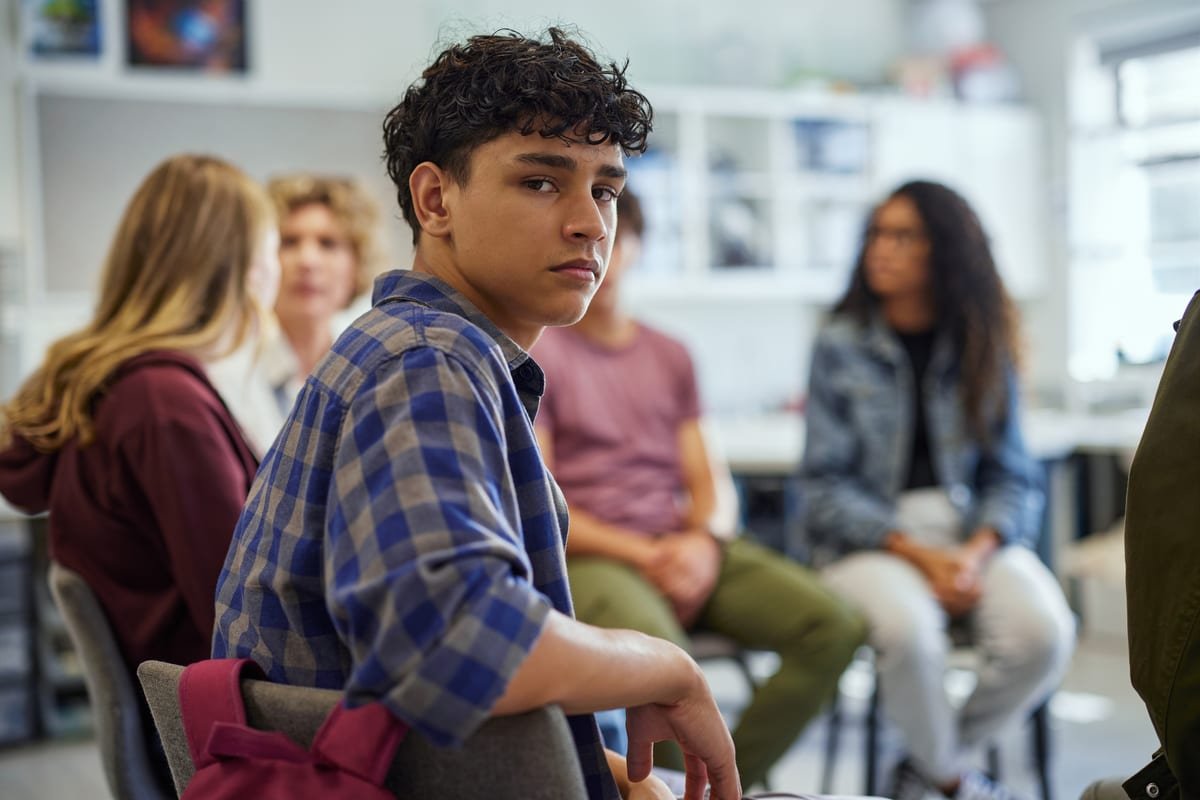
Understanding Adolescent DevelopmentUnlocking the Potential: Navigating the Teenage Years
15 lessons · 7 hours · 0.7 ceus
 Close
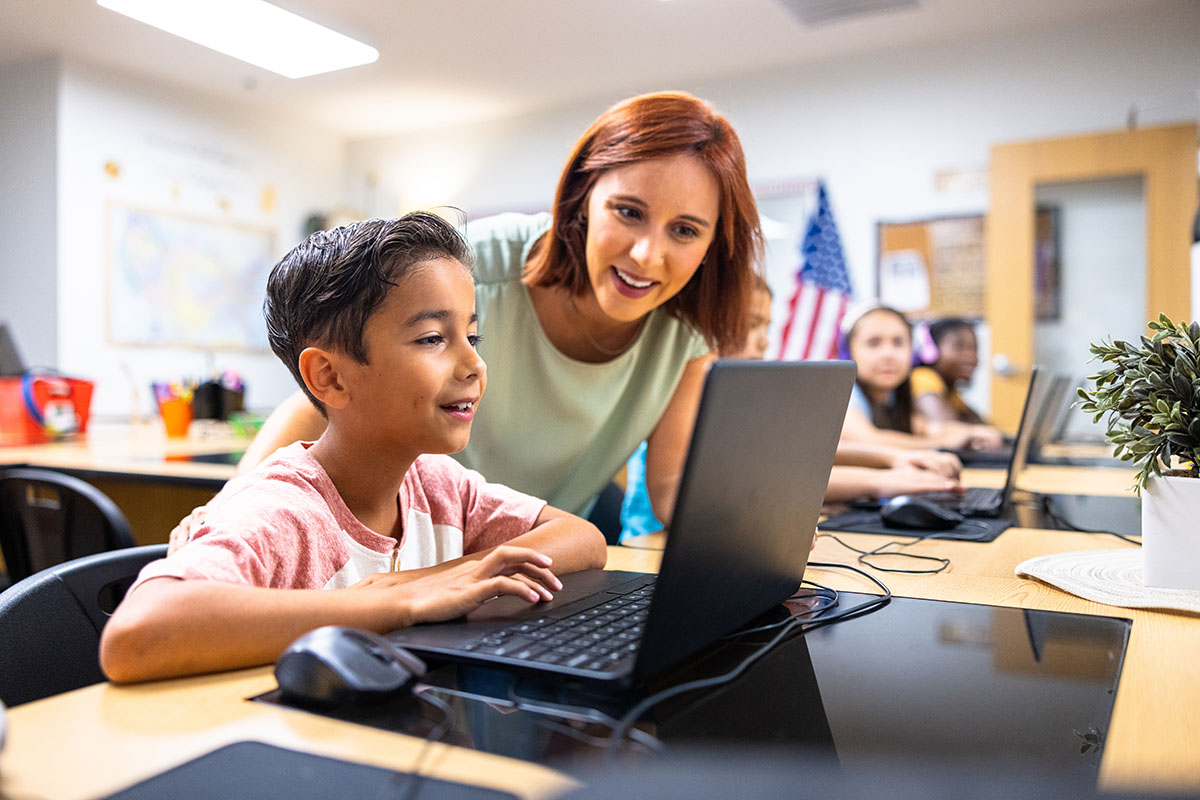
Designing Tomorrow's Learning, Today
15 lessons · 4 hours · 0.4 ceus
Let your curiosity lead.Are you ready to transform the way you think about education? 'Innovative Curriculum Design for the 21st Century' is your gateway to creating dynamic, inclusive, and future-focused learning environments. This course equips you to develop curricula that not only embrace technology but also foster essential 21st-century skills like coding, creativity, and problem-solving. You'll delve into project-based learning, encouraging autonomy and deep engagement, while also exploring how to integrate global competence and empathy into everyday learning.
By focusing on holistic education and interdisciplinary approaches, you learn to weave together STEM and Humanities, cultivating well-rounded learners prepared for real-world challenges. With an emphasis on real-world applications, social-emotional learning, and sustainability, you'll be equipped to craft curricula that prepare students for a rapidly evolving world. Whether you're rethinking existing content or crafting new modules, this course offers insightful, practical strategies for educational innovation. Join us to take the first step in reshaping education for a better tomorrow--your journey begins here with supportive guidance every step of the way.
15 lessons · 4 hours · 0.4 ceus
Harnessing technology and ongoing teacher development are pivotal in adapting differentiated instruction, enhancing engagement and performance. Combined with supportive school cultures and curriculum stakeholder collaboration, these strategies ensure education remains relevant and inclusive.
Exploring the realms of coding and robotics, the lesson reveals how these disciplines enhance creativity and problem-solving by enabling students to connect abstract concepts to hands-on applications across various subjects. Collaboration and a growth mindset are emphasized, preparing students for the future by developing essential skills in a technologically evolving world.#
In contrast to traditional teaching methods, Project-Based Learning offers a dynamic educational framework where students tackle authentic tasks that integrate multiple disciplines, from engineering and social studies to art and science. This approach encourages student autonomy, deepens engagement, and cultivates skills essential for thriving in multifaceted professional and social environments.
Metacognitive skills underpin both critical thinking and problem-solving, empowering students to monitor, assess, and adapt their cognitive strategies. Encouraging reflection and strategic thinking helps learners improve their academic performance and transfer skills across various contexts, crucial for lifelong learning.
Global competence equips students to address local and global issues through intercultural understanding, empathy, and effective communication. By integrating diverse perspectives across curricula, students can become informed global citizens adept at solving complex challenges.
In the context of interdisciplinary education, curricula that blend STEM with Humanities contribute significantly to cognitive development and ethical understanding. This approach prepares students to apply diverse skills to real-world situations, enhancing both their academic growth and employability.
Implementing culturally attuned teaching strategies demands adaptive, tailored content, respecting students' unique cultural contexts. Through collaborative projects and exposure to global perspectives, students develop critical insight and adaptability, essential for thriving in an interconnected, multicultural world.
In a world where education constantly evolves, innovative curricular design ensures students develop skills to face modern challenges. Key Performance Indicators (KPIs) are vital for assessing and refining these curricula, focusing on student engagement, skill development, and technological integration.
Real-world applications of cross-disciplinary learning involve community-based projects, like creating digital history apps or designing eco-friendly initiatives, enhancing student engagement and societal accountability. By prioritizing curiosity and exploration, educators can create supportive environments that empower students to pursue independent inquiries and develop entrepreneurial skills.
Cross-disciplinary approaches to SEL demonstrate how core competencies can enhance learning in subjects like history, literature, and science, while also teaching students vital life skills. Through activities like reflective essays or group projects, students connect emotional intelligence with academic content, driving self-awareness and emotional literacy.
Education's sustainable transformation combines digital adaptation and environmental ethics, ensuring students' readiness for a tech-driven, ecologically-focused future. Embracing e-learning and green methodologies enables institutions to model sustainability, nurturing students as empathetic, resilient leaders.
Adaptive learning technologies are revolutionizing education by tailoring instructional content and assessments to each student's unique needs, much like AI's transformative influence in other sectors. This personalized approach, driven by data and machine learning, enhances educational outcomes, aligning learning paths with individual progress and interests.
The integration of arts into STEM curricula, forming STEAM, broadens educational horizons, merging creativity with scientific exploration. Students, through activities like sculpting DNA models or climate change storytelling, embrace a rounded approach to knowledge and innovation.
Prototyping turns creative educational ideas into tangible solutions, allowing real-world testing and feedback collection. These iterative processes ensure that curricula evolve to suit varying learner needs, creating a robust educational ecosystem.
Interviews and focus groups offer depth to curriculum evaluation, uncovering nuanced perspectives that surveys might miss, thereby ensuring a well-rounded understanding for future adjustments. These qualitative methods engage various stakeholders, promoting collaborative dialogue to enhance curriculum design and meet diverse educational needs.
More ideas connected to your curiosity.
Unlocking the Potential: Navigating the Teenage Years
15 lessons · 7 hours · 0.7 ceus
Empower, Inspire, Lead: Elevate Your Coaching Impact
15 lessons · 6 hours · 0.6 ceus
Elevate Education: Master the Art of Standards-Driven Curriculum
15 lessons · 7 hours · 0.7 ceus
Empower Tomorrow's Classroom Today
15 lessons · 7 hours · 0.7 ceus
Enhance Growth, Empower Success: Master the Art of Feedback
15 lessons · 4 hours · 0.4 ceus
Empower Minds, Transform Futures
15 lessons · 7 hours · 0.7 ceus
Empower Your Mind, Transform Your World
15 lessons · 5 hours · 0.5 ceus
Transform Insights into Impact
15 lessons · 5 hours · 0.5 ceus
Empower Young Minds, Ignite Lifelong Readers
15 lessons · 3 hours · 0.3 ceus
Empower Every Mind, Embrace Every Difference.
15 lessons · 3 hours · 0.3 ceus
Unlock Potential, Elevate Learning
15 lessons · 3 hours · 0.3 ceus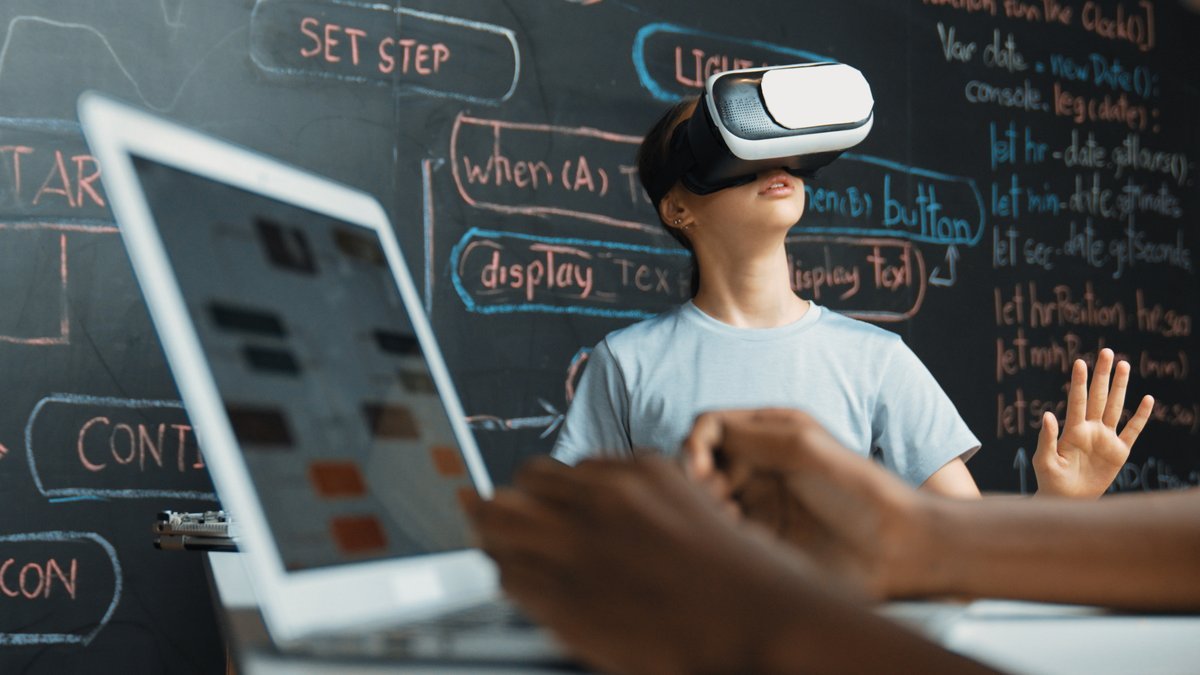
Transform Learning into Play: Unlock Potential with Gamification!
15 lessons · 4 hours · 0.4 ceus