Computers & Technology
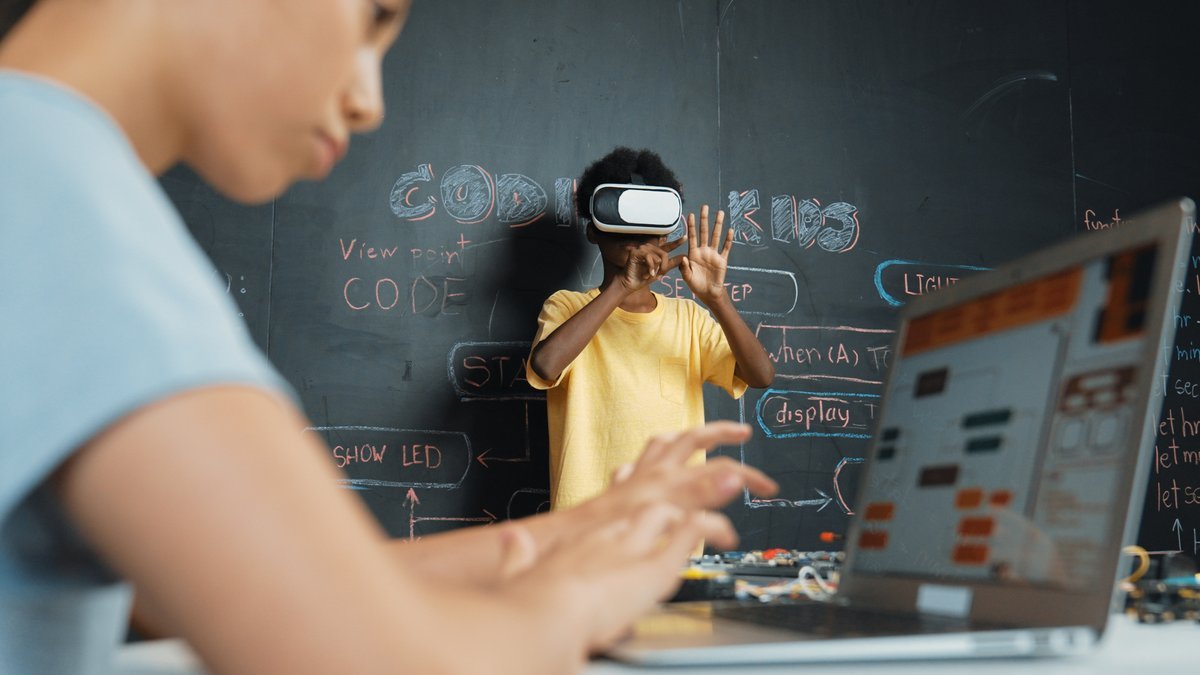
Adaptive Learning TechnologiesElevate Your Learning Potential with Adaptive Innovation
15 lessons · 6 hours · 0.6 ceus
 Close
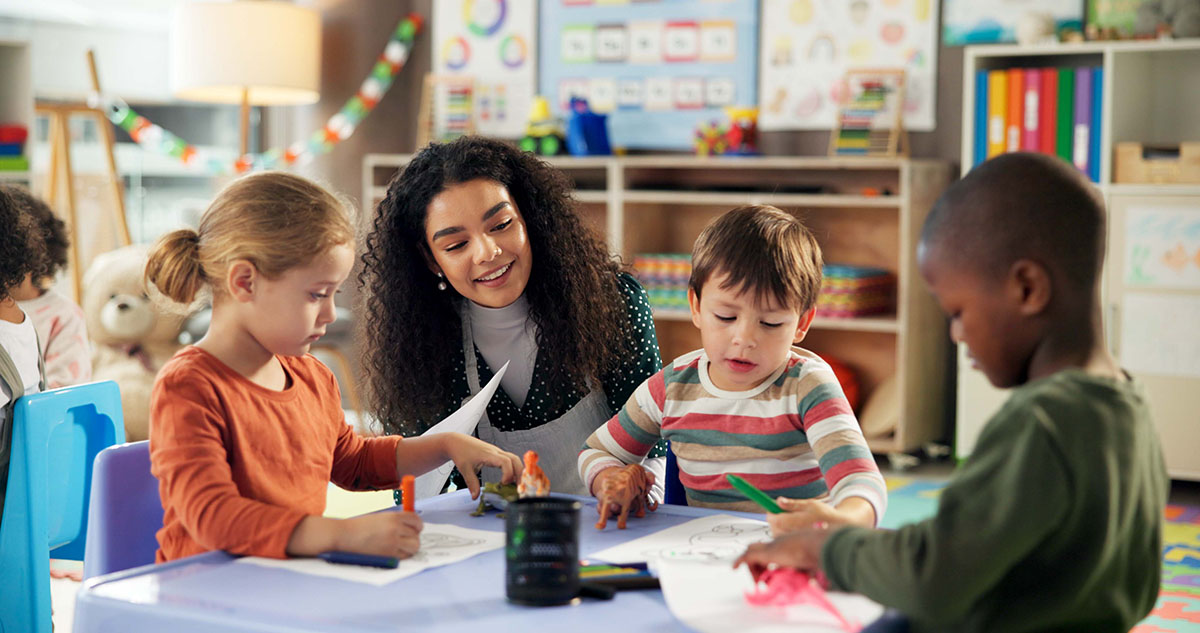
Empower Learning, Embrace Open Resources
15 lessons · 4 hours · 0.4 ceus
Let your curiosity lead.Are you ready to embrace the power of collaboration and innovation in education? Our 'Utilizing Open Educational Resources' course equips you with the knowledge to harness the transformative potential of Open Educational Resources (OER). As you delve into the world of OER, you'll learn how to access and evaluate high-quality materials, create customized learning experiences through Creative Commons licenses, and contribute to an inclusive global learning community. Discover how OERs can reduce educational costs and expand access, while fostering an international exchange of ideas and practices.
With practical strategies and insights from global success stories, you'll be empowered to integrate OER effectively into your teaching or learning environment. Enrich your educational practices by leveraging the innovative approaches offered by OER, ensuring adaptable, culturally relevant, and personalized experiences for all students. Start your journey today and become a part of the movement that's redefining education, one resource at a time.
15 lessons · 4 hours · 0.4 ceus
The collaborative ethos of OER fosters a network of educators worldwide, sharing and innovating educational content across borders. This global synergy enhances teaching practices and enriches student learning by integrating diverse insights and resources.
The collaborative nature of OER encourages a spirit of intellectual generosity among educators and learners globally, enhancing the exchange of innovative teaching practices. Through shared efforts, OER creates enriched educational experiences, promoting a global learning community across various disciplines.
Comprehensive open course materials and scholarly resources underpin global collaboration, allowing educators to share innovative methodologies and research. This openness supports the continuous evolution of educational practices, enabling limitless access to the latest academic insights.
Community feedback and peer reviews add another layer of trust and credibility to OERs, ensuring they remain accurate and relevant. Evaluating quality using these comprehensive criteria empowers educators and students to utilize technology effectively in the evolving digital education landscape.
Exploring the licensing of Open Educational Resources (OER) reveals the transformative potential of freely modifiable educational materials. With Creative Commons licenses, educators can craft bespoke learning environments that respect intellectual contributions while fostering community-driven educational growth.
Creative Commons licenses allow creators to dictate specific conditions for sharing their work, transforming how educational resources are used. This system supports ethical sharing and adaptation, ensuring that credit is given to original authors while fostering a culture of collaboration.
The potential of Open Educational Resources (OER) lies in their ability to democratize education by reducing costs and fostering collaborative learning. Ensuring the effectiveness of OER depends on meticulously identifying high-quality resources aligned with educational objectives and accessible to all learners.
Understanding students' unique challenges and fostering a supportive environment are essential in designing accessible and inclusive educational content. OER empowers educators to incorporate Universal Design for Learning (UDL) principles, creating a dynamic learning environment that promotes diverse means of engagement and expression.
Despite the progress, socioeconomic challenges persist in accessing OER, requiring innovative solutions like offline access and community collaborations. Educators play a crucial role in these efforts by creating accessible, inclusive content and advocating for equitable educational opportunities.
The adaptability and inclusivity of OERs allow customization to address diverse student needs, promoting self-directed learning and cultural relevance that enrich educational experiences. Peer reviews, continuous feedback, and iterative improvements are crucial in maintaining the efficacy and alignment of these resources with evolving educational demands.
Open Educational Resources (OER) offer a revolutionary alternative to traditional educational materials, promoting global access to high-quality education without financial barriers. However, challenges such as limited awareness, quality skepticism, and technical issues hinder widespread adoption, necessitating solutions for educators to fully utilize OER potential.
Creative Commons Licenses highlight the importance of flexible licensing in expanding the reach of OER. Promoting the development of legal frameworks, organizations like the Hewlett Foundation advocate for open licensing, unleashing the full global potential of knowledge sharing.
Through OER, education becomes a global, participatory experience as diverse communities collaborate on resource development, blending different cultural perspectives and upholding inclusivity. Digital tools and platforms enhance this process, enabling real-time cooperation and feedback, thus enriching materials and adapting them to varied learning needs.
Blockchain technology enhances educational credibility and ownership rights, offering tamper-proof credentials and securing intellectual property within OER. Combined with AI, it promotes personalized learning pathways, fostering a transparent and adaptive educational ecosystem.
OER transcends financial constraints, offering a rich variety of educational materials like textbooks, courses, and multimedia, to ensure no learner is deprived due to economic constraints. The adaptability and collaborative nature of OER invite pedagogical innovation, transforming classroom dynamics and enabling personalized learning experiences.
More ideas connected to your curiosity.
Elevate Your Learning Potential with Adaptive Innovation
15 lessons · 6 hours · 0.6 ceus
Unleashing Stories, Inspiring Minds
15 lessons · 6 hours · 0.6 ceus
Empower Choices, Inspire Integrity
15 lessons · 7 hours · 0.7 ceus
Empower Minds, Bridge Disciplines: Unleash Your Curriculum Design Potential
15 lessons · 7 hours · 0.7 ceus
Unleash Creativity, Transform Learning: Infuse Arts Across Disciplines
15 lessons · 7 hours · 0.7 ceus
Shaping Tomorrow's Schools, Today
15 lessons · 3 hours · 0.3 ceus
Cultivate Peace, Resolve with Confidence
15 lessons · 6 hours · 0.6 ceus
Unleash Innovation: Fuse Creativity with Science
15 lessons · 5 hours · 0.5 ceus
Empowering Education with Insightful Analytics
15 lessons · 4 hours · 0.4 ceus
Empower Innovation, Redefine Connectivity
15 lessons · 4 hours · 0.4 ceus