
Language Arts
Conflict Resolution and Negotiation TacticsMaster the Art of Peaceful Persuasion
15 lessons · 7 hours · 0.7 ceus
 Close
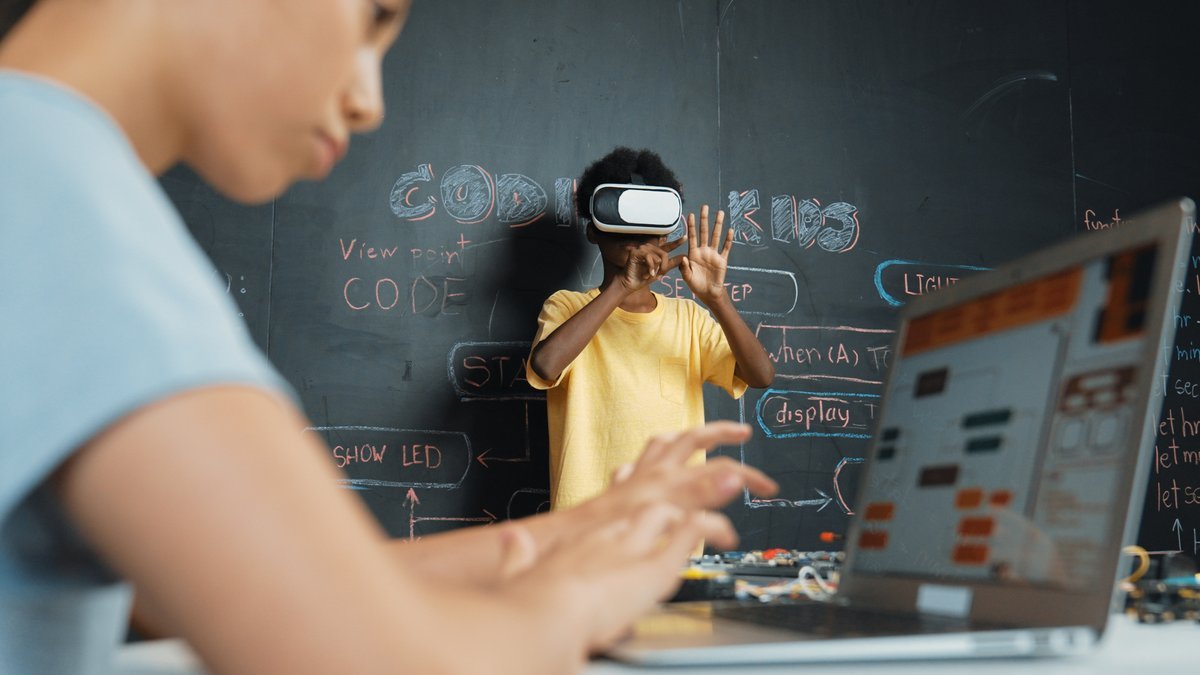
Elevate Your Learning Potential with Adaptive Innovation
15 lessons · 6 hours · 0.6 ceus
Let your curiosity lead.Explore the cutting edge of education with the Adaptive Learning Technologies course. Here, you'll dive deep into how state-of-the-art adaptive systems are reshaping educational experiences by personalizing learning pathways for every student. As you explore, you'll grasp how these technologies leverage real-time data to dynamically tailor educational content, pace, and difficulty to meet individual needs. Imagine stepping beyond traditional one-size-fits-all approaches to embrace a learning experience tuned explicitly for you or your students.
This course offers insights into the pioneering theories of Skinner, Piaget, and Vygotsky, connecting them to today's advancements in AI and machine learning that drive adaptive systems. You'll also learn about gamification strategies that make learning more engaging and rewarding. Designed for educators, technologists, and lifelong learners alike, this course empowers you with practical skills to improve engagement and comprehension effectively. Dive into the future of education with us, and discover how adaptive technologies can enhance learning outcomes and inclusivity. Join us today, and start transforming how knowledge is shared and absorbed.
15 lessons · 6 hours · 0.6 ceus
Delivering data-driven insights to educators, adaptive learning platforms allow for targeted interventions, reinforcing difficult concepts through tailored content. This dynamic adaptation not only supports diverse learning needs but also enhances student retention and success across educational levels.
Adaptive systems draw from mid-20th-century theories, with Skinner, Piaget, and Vygotsky pioneering the shift from rote instruction to individualized learning paths. Modern adaptive technology, informed by cognitive science and AI, offers personalized experiences that align with a learner's needs and pace.
Adaptive learning technology personalizes education by using algorithms to adjust content, pace, and difficulty according to each student's needs, improving engagement and comprehension. It shifts education from a one-size-fits-all model to an individualized experience, enhancing learning outcomes and inclusivity for diverse learners.
Personalized learning, powered by adaptive technologies, customizes educational materials and assessments to align with varying learner styles and paces. By fostering self-directed learning and providing real-time feedback, students develop resilience and problem-solving abilities tailored to their individual educational journeys.
Adaptive learning revolutionizes education by using technology to provide personalized learning experiences based on individual needs. This approach increases engagement and efficiency compared to the uniform methods of traditional education.
In adaptive learning, real-time data informs personalized educational interventions, ensuring that learning pathways are tailored to individual needs and learning styles. This sophisticated approach utilizes techniques like learning analytics and biometric feedback to create a responsive, engaging educational experience for every student.
Artificial intelligence revolutionizes education by personalizing learning experiences to accommodate individual student needs and preferences, transforming traditional teaching methods. Through adaptive learning technologies and real-time data analysis, AI enhances student engagement and ensures tailored educational support caters to each learner’s unique journey.
By leveraging data analytics, adaptive learning technologies optimize user interfaces and educational content, providing actionable insights for educators. Predictive analytics further enhances user engagement by anticipating needs, maintaining motivation and fostering a conducive learning atmosphere.
The transformative power of gamification lies in its ability to blend educational goals with game-like rewards, creating an invigorating learning atmosphere. Adaptive learning systems leverage these elements to provide personalized education, keeping students engaged and motivated to excel.
Real-world implementations of adaptive learning, supported by defined success metrics, demonstrate improved student outcomes in academic and professional settings. By focusing beyond traditional metrics, institutions are fostering environments that prioritize long-term retention and skill application.
Personalized learning through adaptive technologies promises improved student performance by tailoring content based on individual progress and needs, yet warrants careful data privacy management. Compliance with regulations such as GDPR and COPPA, along with proactive bias audits, is crucial to uphold ethical standards and provide equitable educational opportunities.
Through sophisticated algorithms and real-time adaptation, adaptive learning platforms create personalized learning environments that dynamically respond to each student's unique performance and development areas. Such systems redefine educational experiences by using gamification and diverse content delivery to maintain learner engagement and boost comprehension.
Emerging AI technologies in education are revolutionizing the way we learn by providing adaptive and personalized experiences tailored to individual learning styles. These advancements not only improve learning outcomes but also offer real-time feedback and dynamic adjustments to facilitate more effective education.
Harnessing machine learning algorithms, adaptive learning platforms continuously evaluate students' skills and preferences to provide targeted support, such as tailored exercises or personalized feedback. This approach fosters achievement and confidence by keeping learners within their optimal learning zone and encourages active exploration.
These technologies play a crucial role in reducing educational disparities by offering personalized support, particularly benefiting students from under-resourced backgrounds. Adaptive systems level the playing field by providing individualized assistance that may otherwise be unavailable, ensuring equitable learning opportunities for all.
More ideas connected to your curiosity.
Master the Art of Peaceful Persuasion
15 lessons · 7 hours · 0.7 ceus
Discover the Future of Elegance: Master the Art of Luxurious Transformation
15 lessons · 6 hours · 0.6 ceus
Unlock New Possibilities through Trust and Growth
15 lessons · 4 hours · 0.4 ceus
Design Spaces, Unlock Potential: Creating Personalized Learning Environments for Every Student
15 lessons · 7 hours · 0.7 ceus
Unraveling the Impact of Self-Centered Upbringings for a Brighter Tomorrow
15 lessons · 3 hours · 0.3 ceus
Master Balance, Live Harmoniously
15 lessons · 6 hours · 0.6 ceus
Master the Pen, Transform Your Prose
15 lessons · 5 hours · 0.5 ceus
Empowerment Through Inclusivity: A Deep Dive into Down Syndrome
15 lessons · 3 hours · 0.3 ceus
Elevate Your Style, Master the Art of Distinguished Elegance
15 lessons · 4 hours · 0.4 ceus
Unlock Your Potential, Master Your Destiny
15 lessons · 5 hours · 0.5 ceus
Empower Learning, Together: Transform Your Classroom with Co-Teaching Excellence
15 lessons · 5 hours · 0.5 ceus
Unlocking the Potential: Navigating the Teenage Years
15 lessons · 7 hours · 0.7 ceus