
Career & Professional Development
Leadership Skills for Instructional CoachesEmpower, Inspire, Lead: Elevate Your Coaching Impact
15 lessons · 6 hours · 0.6 ceus
 Close

Ignite Innovation: Craft the Future of STEM Education
15 lessons · 3 hours · 0.3 ceus
Let your curiosity lead.Are you eager to design educational experiences that empower students in the ever-evolving STEM fields? Our 'Designing STEM Curriculum' course will guide you in crafting curricula that inspire curiosity and innovation through hands-on, project-based learning. You'll explore how to integrate science, technology, engineering, and math across disciplines to create engaging learning environments where students connect theoretical knowledge with real-world challenges, such as sustainability and technological advancements.
Gain insights on utilizing digital tools, like virtual labs, to transform abstract concepts into interactive experiences. You'll also learn to incorporate culturally responsive assessments and diverse perspectives, enhancing both inclusivity and cultural understanding. With a focus on collaboration and ethical reasoning, this course prepares you to face modern educational challenges by designing dynamic, inclusive, and effective STEM curricula.
Join us, and take the first step toward creating transformative learning opportunities in your classroom--starting today!
15 lessons · 3 hours · 0.3 ceus
At the heart of STEM education lies science, which fosters inquiry and experimentation, encouraging students to form conclusions from empirical evidence. By engaging in projects like ecosystem analysis, learners develop essential skills for addressing sustainability and interconnected global challenges.
The lesson emphasizes collaboration and creativity in STEM education through integration across disciplines like science, engineering, and technology. Through project-based learning, students develop a comprehensive understanding essential for career readiness and innovation.
STEM curriculum design embracing an inquiry-based approach positions students as central figures in their learning journey. This method mirrors scientific inquiry by encouraging learners to question, experiment, and apply empirical evidence to solve authentic problems.
With an emphasis on real-world applicability, STEM education encourages students to see beyond theoretical concepts, applying knowledge to tackle pressing global issues. Projects like community gardens or pollution analysis transform learning into engaging, hands-on experiences that cultivate responsibility and deep comprehension.
Augmented and virtual reality in STEM education transform abstract concepts into interactive learning experiences, enhancing student understanding and engagement. These immersive tools allow learners to visualize and manipulate elements within complex systems, making subjects like biology, chemistry, and physics more accessible and engaging.
Culturally responsive assessment in STEM embraces student diversity by incorporating real-world problem-solving, nurturing a sense of belonging. Engaging families and communities in educational practices enriches students' learning experiences and reflects cultural identities.
Sustainability and ethical considerations are growing priorities in STEM education, prompting learners to evaluate the long-term impacts of their designs and decisions on society and the environment. This emphasis prepares students to ponder the implications of their work—they evolve into responsible, innovative thinkers ready to address contemporary global challenges.
Digital technologies and problem-solving frameworks embedded in STEM curricula offer practical applications that bridge theoretical concepts with real-world scenarios. Empowered by methodologies like Design Thinking, students approach modern challenges with analytical precision, enhancing technical skills while fostering ethical reasoning and empathy.
Incorporating Indigenous knowledge and cultural practices into STEM education enriches students' understanding of ecological and scientific principles. Such integration not only validates diverse cultural contributions but also enhances STEM curricula by highlighting sustainable practices and wisdom.
Through collaborative projects, students in STEM education develop crucial soft skills such as leadership, communication, and conflict resolution, essential for real-world problem-solving. The integration of diverse perspectives fosters innovation and prepares students for future scientific advancements.
In STEM education, creativity reshapes abstract concepts into tangible narratives, enhancing comprehension and retention through inventive activities like model creation and analogies. Students tackle real-world problems using interdisciplinary approaches, merging artistic and technical insights to design innovative solutions.
Technology plays a pivotal role in bridging gaps in STEM education by providing interactive and adaptive learning platforms accessible to diverse learners. Initiatives focusing on equitable distribution of resources and community involvement ensure no student is left behind in this digital age.
Project-Based Learning in STEM education transforms classrooms by engaging students with real-world problems, fostering essential skills like critical thinking, collaboration, and communication. This learner-centered approach prepares students for modern careers by connecting theoretical knowledge with tangible, impactful projects.
Industry collaboration in STEM education links theoretical learning with practical application, showcasing current technological advancements and career pathways. Through access to industry resources and expertise, students gain crucial insights and skills demanded by the modern workforce.
In the tech-evolving STEM field, embedding flexibility and adaptability within curricula equips students with relevant skills for future challenges. By incorporating emerging technologies and real-world scenarios like AI projects, educators prepare students for industry demands while promoting innovation and problem-solving skills.
More ideas connected to your curiosity.
Empower, Inspire, Lead: Elevate Your Coaching Impact
15 lessons · 6 hours · 0.6 ceus
Bridging Hearts and Minds for Student Success
15 lessons · 6 hours · 0.6 ceus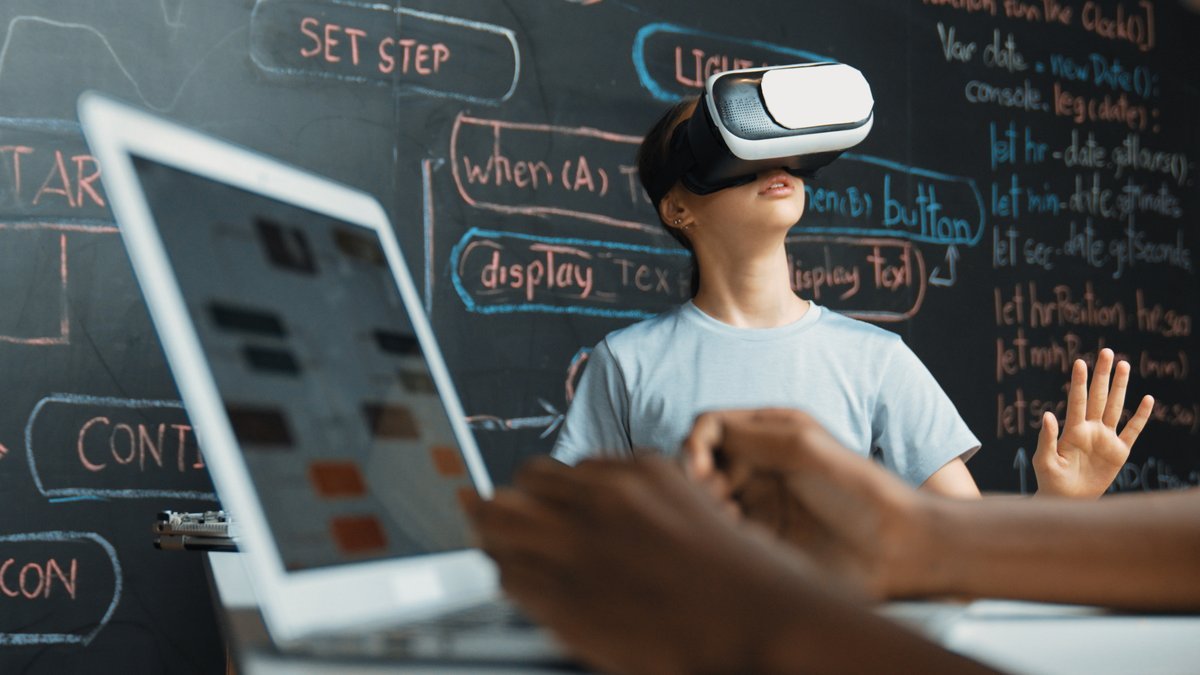
Transform Learning into Play: Unlock Potential with Gamification!
15 lessons · 4 hours · 0.4 ceus
Unite, Empower, Educate: Building Bridges with Families
15 lessons · 5 hours · 0.5 ceus
Unleash Creativity, Transform Learning: Infuse Arts Across Disciplines
15 lessons · 7 hours · 0.7 ceus
Unleashing Stories, Inspiring Minds
15 lessons · 6 hours · 0.6 ceus
Unlock Every Learner's Potential: Master Differentiated Instruction
15 lessons · 6 hours · 0.6 ceus
Transform Learning, Empower Every Student.
15 lessons · 5 hours · 0.5 ceusIgnite Innovation: Craft the Future of STEM Education
15 lessons · 3 hours · 0.3 ceus