Art & Design
Inquiry-Based Learning StrategiesEmpower Curious Minds, Ignite Transformative Learning
15 lessons · 5 hours · 0.5 ceus
 Close

Empowering Educators, Unlocking Potential
15 lessons · 7 hours · 0.7 ceus
Let your curiosity lead.Are you passionate about education? Do you want to make a meaningful difference in your students' lives by bridging the educational divides that impact so many learners? Our course, 'Strategies for Closing the Achievement Gap,' is designed to equip you with practical strategies to enhance student success and promote equity in educational settings.
In this dynamic course, you'll delve into the complexities of the achievement gap--an enduring issue rooted in socioeconomic, racial, and cultural disparities. Through insightful lessons, you'll learn how to identify key indicators that signal areas of improvement and design targeted interventions to bridge these gaps. Our course emphasizes the use of data-driven decision-making to ensure that your efforts are not only effective but also sustainable.
One distinctive feature of the course is its strong focus on cultural competence and individualized learning. You'll explore ways to create an inclusive classroom environment that celebrates diverse identities and backgrounds, and fosters a community of learners prepared for a global society. By integrating Individualized Learning Plans (ILPs) into your teaching practice, you will be able to tailor educational content to meet each student's unique needs, thus promoting engagement and empowering them to reach their full potential.
By the end of the course, you'll have a robust toolkit of strategies at your disposal, from leveraging technology and community resources to enhancing family engagement and cultivating growth mindsets. Whether you're a seasoned teacher, a school administrator, or a policy-maker, the skills you develop here will empower you to advocate for and implement real, impactful change in your educational community.
We're here to guide you every step of the way as you enhance your understanding and application of these vital strategies. Enroll today to join us on this path toward a more equitable educational future.
15 lessons · 7 hours · 0.7 ceus
The achievement gap's persistence underscores the impact of socioeconomic inequalities on student success, highlighting the role of school funding and resources. Community engagement and policy reforms can bridge these disparities, fostering a fairer academic environment.
Indicators offer broad qualitative insights into education systems, signaling areas for improvement, while metrics provide specific quantitative measures to track progress effectively. Together, they guide educators in strategic interventions to close achievement gaps by fostering targeted support and data-driven decision-making.
Creating a culturally inclusive classroom involves more than just curriculum changes—it means reimagining the entire environment to reflect and celebrate diverse identities. Through cooperative learning, social-emotional education, and inclusive assessments, teachers can nurture a community of learners equipped for an interconnected global society.
Individualized Learning Plans (ILPs) are vital tools that adapt educational content to fit a student’s unique needs, addressing disparities caused by socioeconomic and racial factors. By promoting goal-setting and self-monitoring, ILPs empower students, foster engagement, and bridge the achievement gap across diverse student populations.
Incorporating community resources and empowering families fosters a supportive educational environment crucial for student success. Community partnerships and active family engagement promote holistic development and academic achievement.
Effective data collection methodologies in education are vital for crafting strategies to close the achievement gap, enabling a detailed analysis of factors like student engagement and instructional quality. By utilizing tools such as surveys, observations, and interviews, educators can gather actionable insights to foster a more inclusive and responsive learning environment.
A fixed mindset views abilities as static, often leading to avoidance of challenges, whereas a growth mindset sees them as developable through effort, fostering resilience. Carol Dweck's work highlights the impact of mindset on learning, advocating for environments that value effort and adaptability over static intelligence.
Culturally responsive education in early childhood settings acknowledges and integrates diverse cultural contexts, strengthening self-esteem and engagement. Educators equipped with cultural literacy are better positioned to inspire equitable academic success in students, transcending their socioeconomic backgrounds.
Language barriers affect non-native English speakers in diverse classrooms, potentially impacting academic performance. Bilingual education programs and cultural inclusion strategies in schools enhance learning outcomes and help students express their potential fully.
Peer observation and mentoring strengthen professional development by providing educators with fresh insights and effective teaching methods. Leadership and stakeholder support are essential in creating a culture of continuous learning and collaboration, ensuring that educators can grow and thrive in their roles.
Integrating cultural traditions and varied instruction methods, like storytelling in history or digital simulations in science, caters to diverse learning styles, ensuring engagement for all students. Schools leveraging adaptive technologies and community resources further bridge the achievement gap by providing equitable access and opportunities.
Self-awareness and self-management are crucial in SEL, transforming challenges like procrastination into opportunities for personal empowerment and academic success. Through structured routines and mindfulness techniques, students master stress management and organization, aligning their educational goals with personal growth.
Historical and systemic barriers within educational systems persistently fuel the achievement gap, deeply rooted in racial, socio-economic, and ethnic inequalities. Addressing these through comprehensive reforms and culturally responsive teaching can transform educational landscapes, fostering inclusivity and equity.
Closing the achievement gap by understanding at-risk student needs involves addressing socioeconomic, family, and learning challenges through equitable resource access and support systems. Comprehensive strategies including mental health services, ESL support, and personalized learning significantly enhance student engagement and success.
ESSA introduced flexibility, allowing states autonomy to address demographic challenges, while community school models integrated educational and social services. The focus on culturally responsive teaching and technology integration has become key in mitigating achievement gaps, fostering personalized and inclusive learning experiences.
More ideas connected to your curiosity.
Empower Curious Minds, Ignite Transformative Learning
15 lessons · 5 hours · 0.5 ceus
Empowering Minds, Transforming Futures
15 lessons · 3 hours · 0.3 ceus
Transforming Education: Empowering Minds, One Flip at a Time
15 lessons · 5 hours · 0.5 ceus
Unite, Empower, Educate: Building Bridges with Families
15 lessons · 5 hours · 0.5 ceus
Cultivate Infinite Potential: Empower Students with a Growth Mindset
15 lessons · 6 hours · 0.6 ceus
Empower Every Voice, Transform Every Space
15 lessons · 5 hours · 0.5 ceus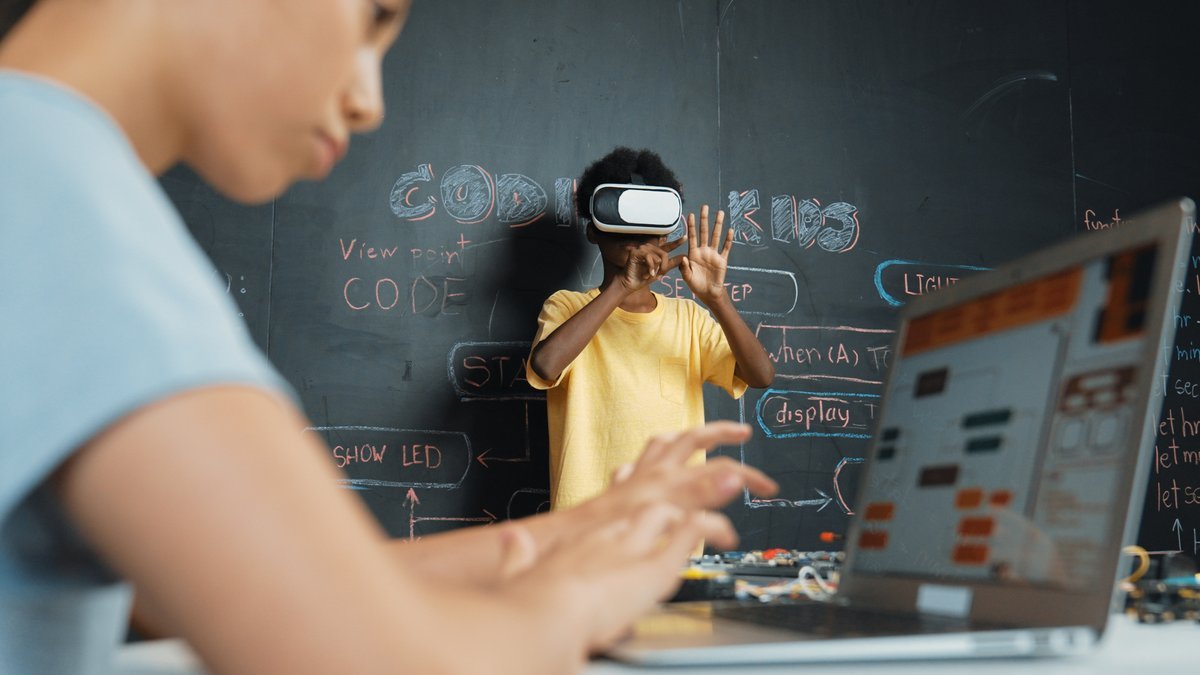
Elevate Your Learning Potential with Adaptive Innovation
15 lessons · 6 hours · 0.6 ceus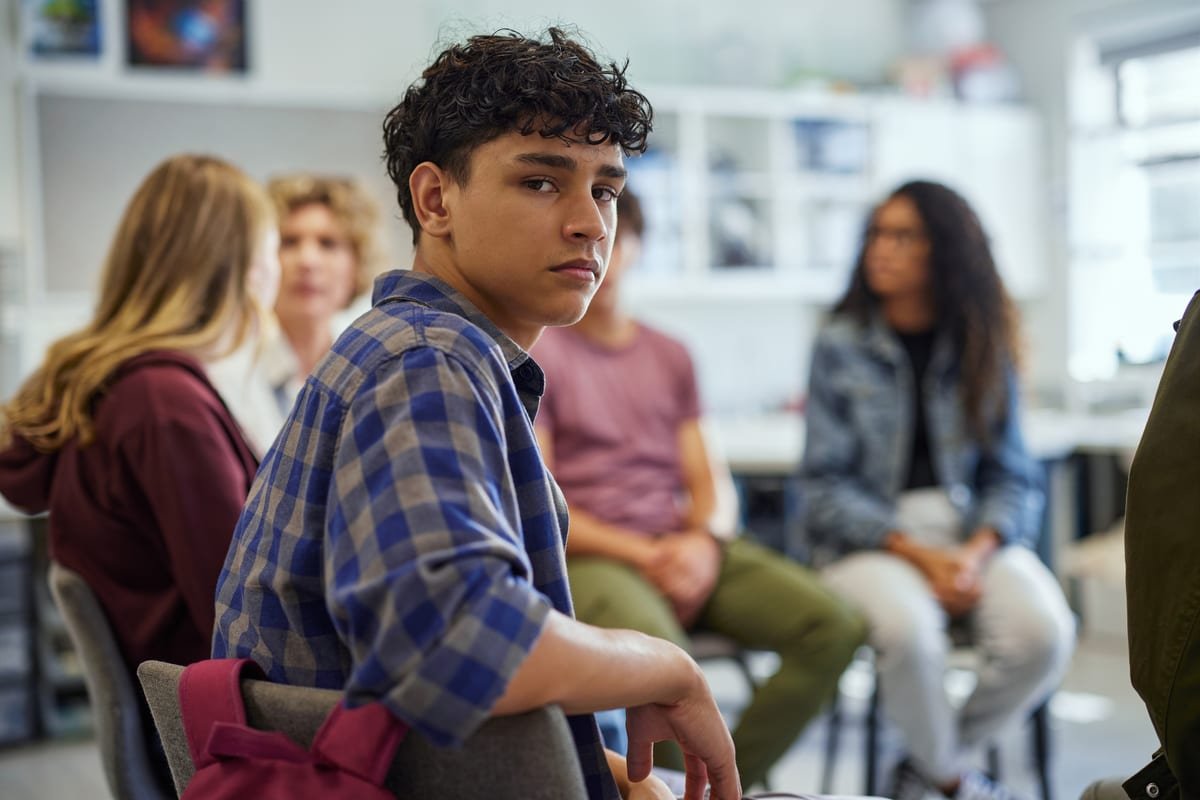
Unlocking the Potential: Navigating the Teenage Years
15 lessons · 7 hours · 0.7 ceus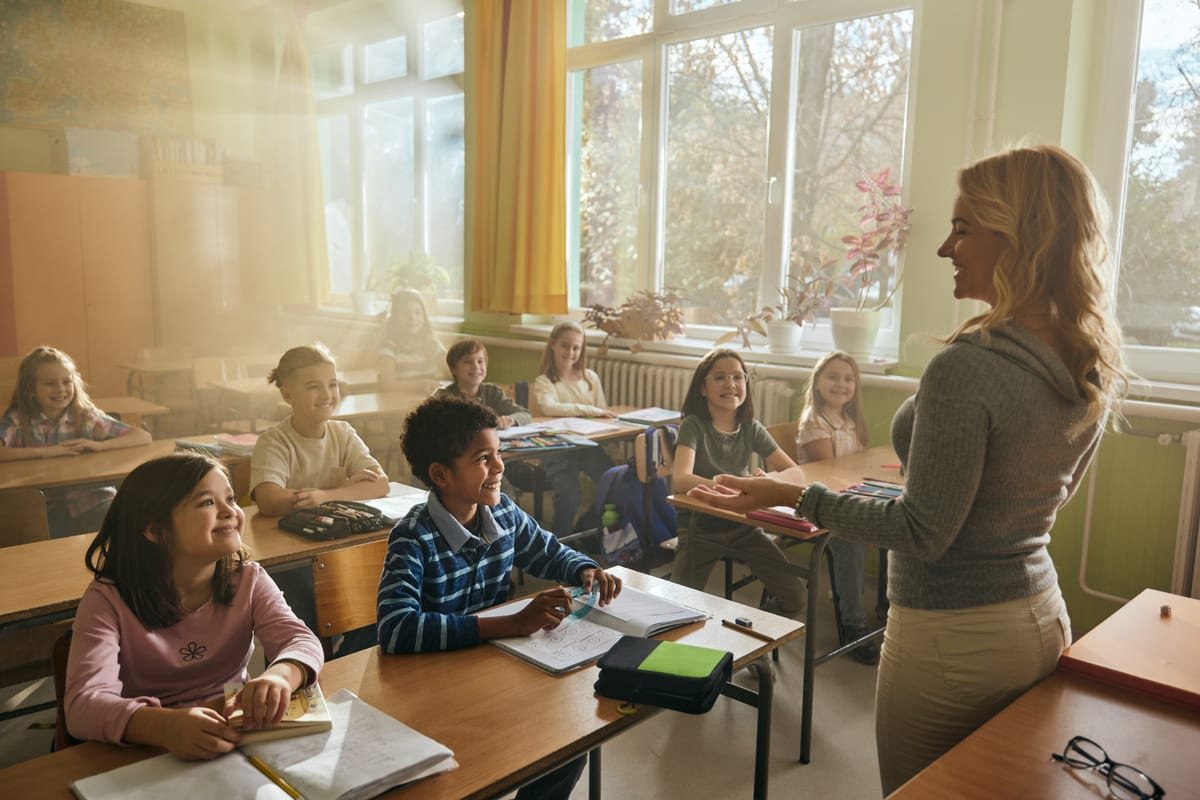
Ignite Passion, Transform Learning
15 lessons · 4 hours · 0.4 ceus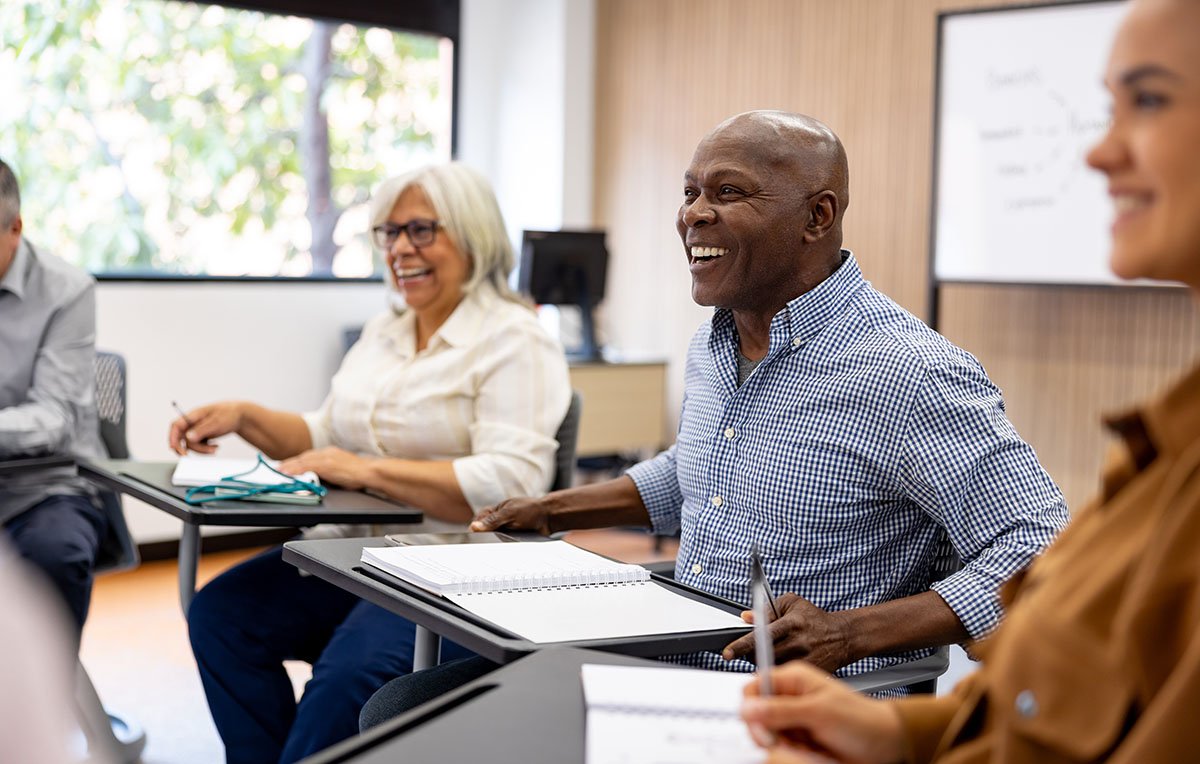
Navigate Tomorrow's Challenges with Cultural Insight
15 lessons · 4 hours · 0.4 ceus