
Office Skills
Leadership Skills for Emerging LeadersEmpower Tomorrow's Leaders Today
15 lessons · 4 hours · 0.4 ceus
 Close
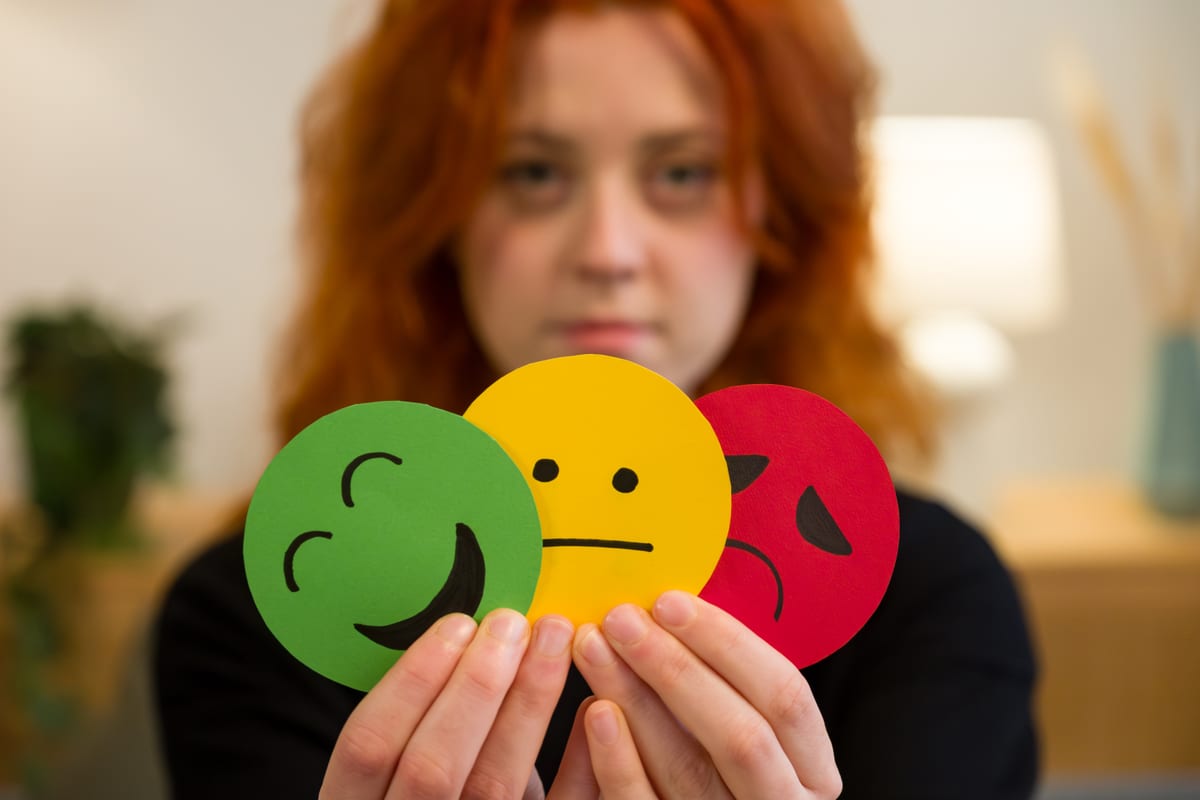
Empower Minds, Transform Hearts: Unlocking the Power of Emotional Growth
15 lessons · 6 hours · 0.6 ceus
Let your curiosity lead.Imagine a classroom where learning extends beyond academics, shaping students into emotionally intelligent and empathetic individuals who can thrive in diverse environments. Our 'Social and Emotional Learning: Programs and Practices' course offers educators the tools and strategies to embed these transformative skills into everyday teaching. If you're passionate about nurturing students' social and emotional growth, preparing them for life's multifaceted challenges, this course is designed for you.
Through this course, you'll delve into the core components of Social and Emotional Learning (SEL) like empathy, emotional regulation, and relationship building. Understand how modern educational practices can integrate these competencies to create an inclusive and supportive classroom atmosphere. We'll explore how emotional intelligence not only enhances students' academic outcomes but also fosters resilience, effective communication, and enriched community engagement. You'll be equipped with practical approaches to actively listen, understand, and connect with students, thereby cultivating a classroom environment where empathy and understanding are the cornerstones.
A distinctive feature of this course is its emphasis on incorporating cultural heritage into SEL, promoting a culturally inclusive learning environment. By recognizing the importance of cultural identity in emotional expression, you will foster an educational space that encourages diversity and reduces prejudice. Additionally, learn how to utilize technology in assessing and enhancing SEL outcomes, using data-driven insights to personalize learning experiences and interventions.
Whether you're an educator seeking to enhance your teaching toolkit, a school administrator aiming to implement an SEL program, or simply curious about the power of emotional intelligence in education, this course offers the support and knowledge you need. Join us in transforming the classroom into a community of understanding and shared growth. Sign up today and start making a meaningful impact on the next generation's emotional and social well-being.
15 lessons · 6 hours · 0.6 ceus
At the heart of SEL is the ability to cultivate emotional intelligence, including self-regulation and empathy, which helps students navigate personal and social complexities. By embedding SEL principles into education, teachers prepare students for future social challenges while fostering inclusive and supportive communities.
Emotional intelligence, essential for recognizing and guiding emotions, is sharpened as students learn to manage their feelings effectively. Understanding and communicating emotions can lead to better collaboration and conflict resolution, fostering resilience and adaptability in challenging situations.
Understanding and regulating emotions equips individuals with essential skills to navigate life's complexities, enhancing emotional resilience and fostering growth. By integrating Social and Emotional Learning (SEL) and mindfulness techniques, emotional awareness and empathy are cultivated, creating compassionate communities and thriving individuals.
Listening with empathy builds robust relationships by acknowledging shared experiences and different perspectives, distinguishing it from the emotional detachment of sympathy. This empathetic engagement enhances social harmony and cultivates environments ripe for innovation and mutual respect.
Through strategies like empathic listening and mirroring, active listening deepens emotional connections and fosters personal growth. The art of attentively engaging with others also nurtures educational environments conducive to better learning outcomes.
The social facets of SEL highlight the necessity of relationship skills, encouraging collaboration and understanding diverse perspectives in decision-making. Community projects rely on shared goals and skill sets to harmonize efforts, achieving sustainable development and strengthening social cohesion.
Mindfulness, when integrated into Social and Emotional Learning (SEL), helps students focus on the present moment, leading to improved emotional regulation and resilience. A culture of empathy and understanding is fostered in the classroom, enhancing cooperative learning and reducing stress.
Understanding one's cultural identity is key to effective SEL, impacting emotion expression and relationship dynamics. Culturally inclusive classrooms foster belonging and reduce prejudice.
SEL's key competencies—self-awareness, self-management, social awareness, relationship skills, and responsible decision-making—equip learners for academic and personal success. Innovative curriculum strategies enhance these competencies, fostering inclusive classrooms and preparing students to thrive in diverse, dynamic environments.
Technology revolutionizes SEL assessment, providing educators with digital tools and platforms for tracking student progress, analyzing emotional data, and fostering personalized learning experiences. This integration of technology empowers educators to enhance emotional intelligence development through data-driven interventions, significantly enriching the educational landscape.
Integrating technology in self-assessment supports personalized learning experiences, allowing students to track progress and self-reflect effectively. Embracing a growth mindset encourages students to view challenges as growth opportunities, transforming feedback into a powerful catalyst for improvement.
Effective communication is crucial in education to bridge cultural and language barriers, enabling inclusive engagement across diverse school communities. Schools increasingly use multilingual digital platforms and cultural liaisons to ensure all voices are heard, promoting a sense of belonging among students and families.
Social and Emotional Learning (SEL) equips students with essential skills like emotional regulation and empathy, fostering both individual academic success and protective mental health. Integrating SEL in schools enhances community well-being and provides tools for managing stress, building resilience, and creating inclusive environments.
Through SEL programs, students learn not just to use technology, but to employ it for meaningful emotional and social development, recognizing and respecting global diversity and multiple perspectives. As digital tools evolve, digital literacy within SEL stimulates student creativity, empathy, and connectivity, enhancing their capacity for lifelong learning.
Data analytics and AI-powered assessment tools enhance the evaluation of SEL competencies, enabling tailored educational approaches that align with students' emotional landscapes. These technologies provide educators with nuanced insights into student behaviors, allowing for personalized and ethical interventions aimed at holistic development.
More ideas connected to your curiosity.
Empower Tomorrow's Leaders Today
15 lessons · 4 hours · 0.4 ceus
Empower Every Mind, Embrace Every Difference.
15 lessons · 3 hours · 0.3 ceus
Empower Growth, Embrace Positivity
15 lessons · 3 hours · 0.3 ceus
Optimize Your Well-Being, Inside and Out
15 lessons · 6 hours · 0.6 ceus
Unite, Collaborate, Thrive: Elevate Your Team Dynamics
15 lessons · 3 hours · 0.3 ceus
Master the Art of Leading and Managing for Success
15 lessons · 4 hours · 0.4 ceus
Unravel the Enigma: Dive Deep into the Bermuda Triangle Mysteries!
15 lessons · 3 hours · 0.3 ceus
Unleash Your Vision, Transform Your Reality
15 lessons · 7 hours · 0.7 ceus
Transform Connections, Forge Lasting Change
15 lessons · 5 hours · 0.5 ceus
Unleash Your Creative Potential with Mastery in Graphic Design Tools
15 lessons · 6 hours · 0.6 ceus
Empower Your Family Connections Through Cultural Understanding
15 lessons · 6 hours · 0.6 ceus
Capture Every Detail, Drive Every Decision
15 lessons · 7 hours · 0.7 ceus