Entrepreneurship
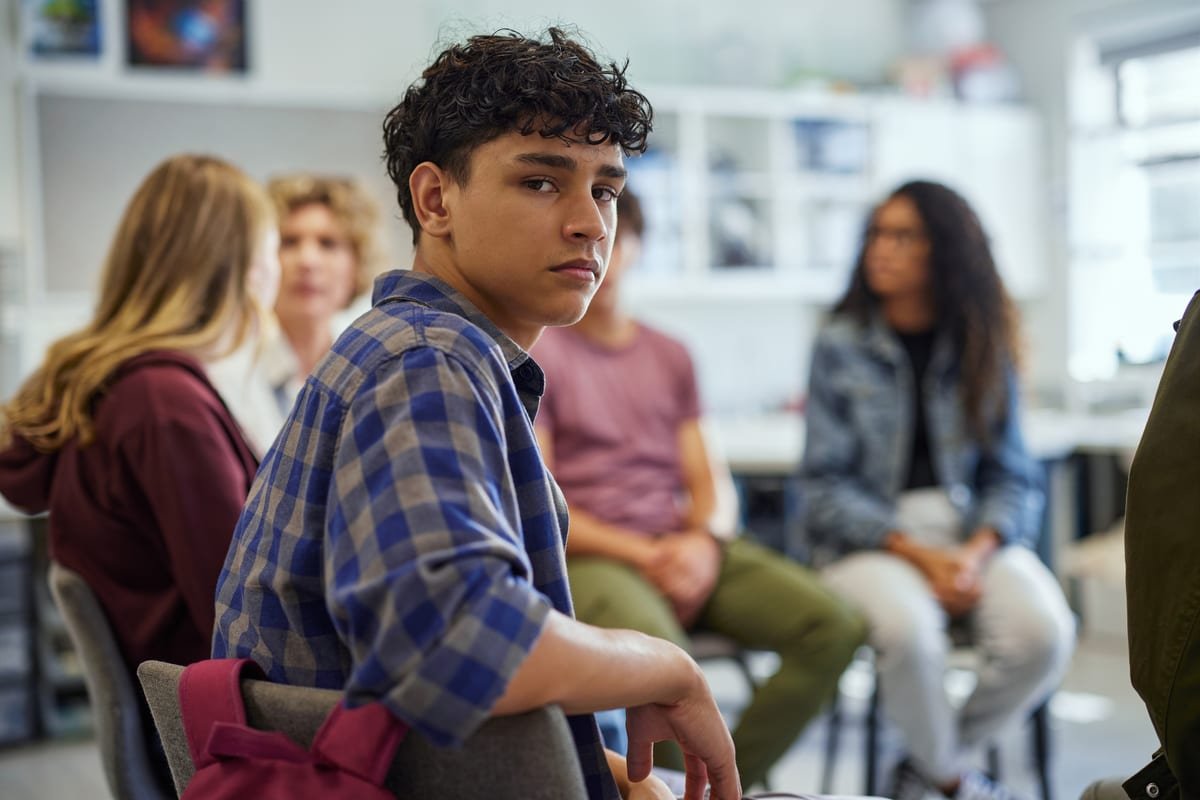
Understanding Adolescent DevelopmentUnlocking the Potential: Navigating the Teenage Years
15 lessons · 7 hours · 0.7 ceus
 Close
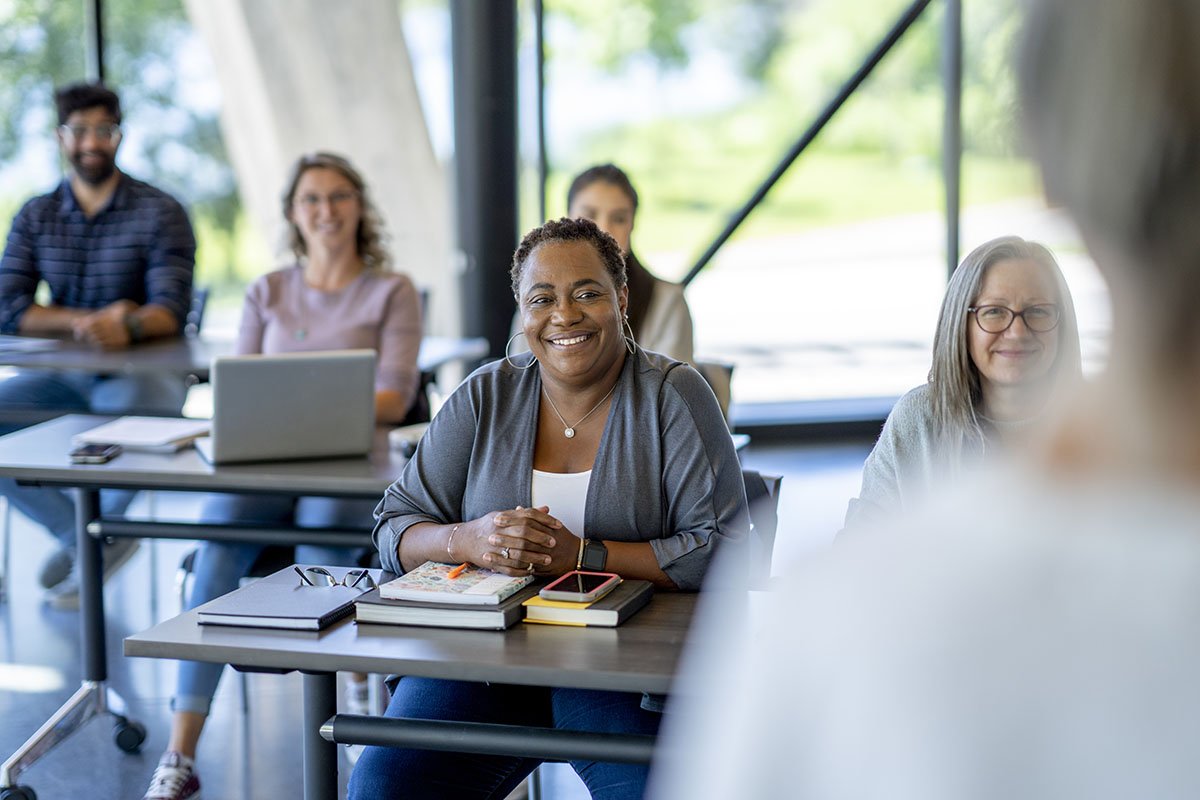
Ignite Minds, Craft Experiences, Transform Learning
15 lessons · 4 hours · 0.4 ceus
Let your curiosity lead.Are you passionate about designing educational experiences that truly resonate with learners and foster deep understanding? Dive into the world of experiential learning with 'Designing Experiential Learning Opportunities.' This course is your opportunity to explore diverse methodologies like project-based learning, service initiatives, and innovative technologies like AR and VR, enabling you to craft inclusive and dynamic educational environments.
By the end of the course, you'll be adept at integrating real-world applications into your teaching, empowering you to cultivate critical thinking, problem-solving, and empathy in your students. You'll gain practical skills in designing curriculum that balances structure and flexibility, while also understanding the critical role of reflection and feedback. Whether you're an educator, curriculum designer, or simply passionate about advancing educational techniques, this course provides you with tangible skills to inspire and engage learners from all walks of life. Ready to transform your approach to teaching and learning? Join us and start making an impact today!
15 lessons · 4 hours · 0.4 ceus
Service learning and project-based methods blend experiential learning with community engagement, advancing social consciousness and technical skills. This symbiotic approach cultivates empathy and responsibility, aligning academic pursuits with societal needs.
The lesson explores experiential learning's evolution from ancient practices to a formal educational theory, shaped by figures like John Dewey, who advocated for experiential curricula that equip students with essential problem-solving skills. Through gardening projects or business ventures, students actively engage with real-life scenarios, fostering deep learning and critical thinking.
Experiential learning thrives on balancing structured curricula with flexible learning paths, allowing students to delve into culturally and personally relevant projects, creating a rich and engaging dialogue within the educational community. Technology amplifies this balance by facilitating inclusive, adaptive educational experiences that resonate with varied student preferences.
Internships provide invaluable connections between classroom learning and professional environments, allowing students to apply theoretical knowledge to real-job tasks. By engaging in internships, students develop problem-solving, adaptability, and interpersonal skills crucial for success in dynamic professional arenas.
Reflection is the vital bridge in experiential learning that transforms experience into understanding, as theorized by experts like David Kolb and John Dewey. It enhances critical thinking and personal growth, empowering individuals to tackle future challenges with insight and adaptability.
Environmental storytelling enhances understanding by creating rich narrative spaces where each detail contributes to the overall learning experience. This method encourages questions and active participation, bridging gaps between passive learning and active exploration.
Formative assessments transform experiential learning by offering real-time feedback, enabling adaptive instruction and active student involvement for continuous improvement. Through hands-on activities and reflective exercises, students cultivate critical soft skills essential for future success in dynamic, real-world contexts.
Augmented Reality overlays digital content onto the real world, enhancing interactions and perceptions, while Virtual Reality immerses students in entirely digital environments. Both foster personalized learning, collaborative opportunities, and transform education into a dynamic landscape, promising improved engagement and skill development.
The interplay of inclusivity and equity in experiential learning encourages environments where all students feel valued, respected, and empowered. This approach cultivates critical thinking and problem-solving skills essential for navigating a diverse and interconnected world.
Digital tools greatly enhance collaborative learning through platforms enabling real-time, boundaryless interaction and resource sharing among students. As technology integration grows, thoughtful planning ensures educational experiences are vibrant, interactive, and supportive while accommodating diverse student needs.
Interactive technologies breathe new life into Kolb’s experiential cycle in digital contexts, exemplified by VR simulations that translate theoretical disciplines into practical experience—a boon for students across various fields. Social platforms and gamified assessments cultivate collaboration and innovation, underscoring the shift towards a more interconnected and dynamic learning landscape.
Failure is embraced as a vital learning component in experiential settings, teaching resilience and a growth mindset. Outcome and assessment metrics are designed to harness failures as learning opportunities rather than obstacles, aligning with real-world innovation practices seen in startups and coding workshops.
Complex case studies challenge students to evaluate multifaceted ethical dilemmas and stakeholder perspectives, mirroring intricate real-world environments. Engagement is amplified through relatable issues such as remote work implications, fostering motivation and applied understanding.
Creating experiential learning environments necessitates empathetic understanding of student needs and motivations, crafting personalized pathways that resonate with each learner's context. Through varied methodologies, such as project-based learning and gamification, this approach enhances engagement and equips students for future challenges.
AI-driven personalization in education tailors learning paths to fit individual paces and styles, ensuring optimal engagement. This approach uses data analytics to provide customized content, maximizing educational outcomes by addressing specific learning needs and preferences.
More ideas connected to your curiosity.
Unlocking the Potential: Navigating the Teenage Years
15 lessons · 7 hours · 0.7 ceus
Empower Education Through Innovative Blended Learning Models
15 lessons · 7 hours · 0.7 ceus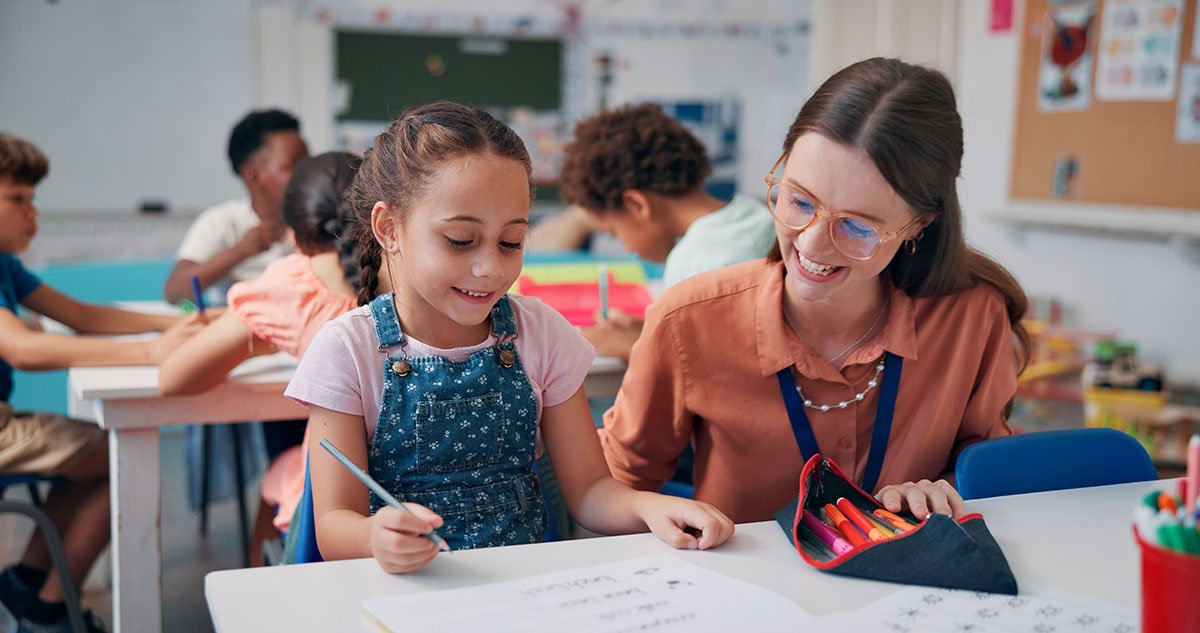
Unleash Creativity, Transform Learning: Infuse Arts Across Disciplines
15 lessons · 7 hours · 0.7 ceus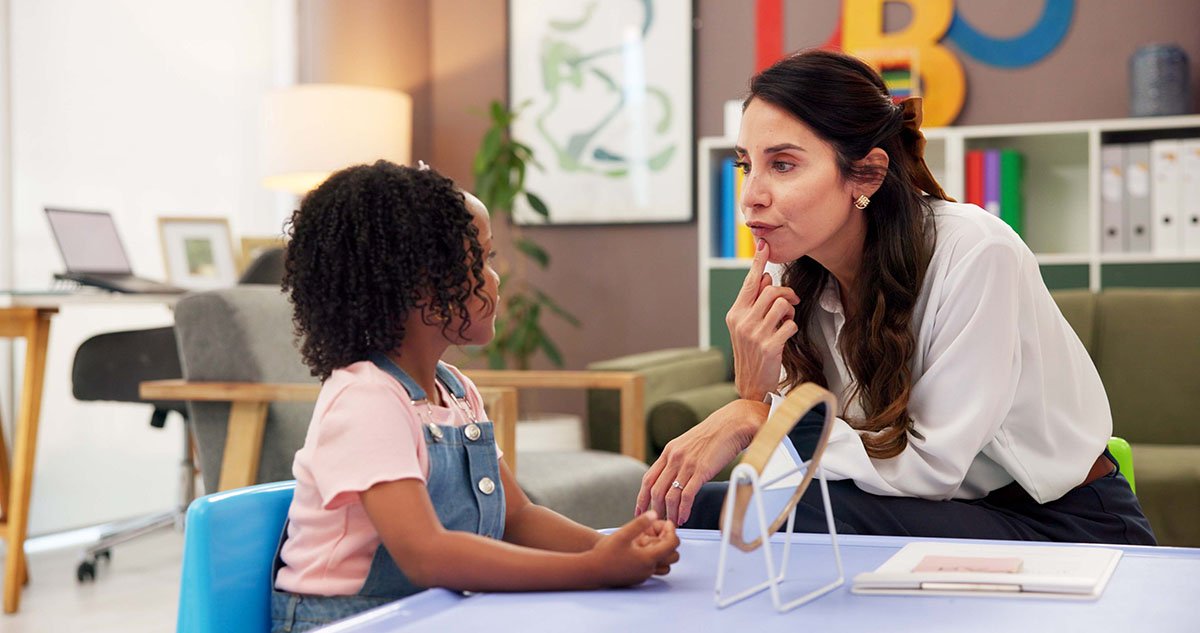
Transforming Education: Empowering Minds, One Flip at a Time
15 lessons · 5 hours · 0.5 ceus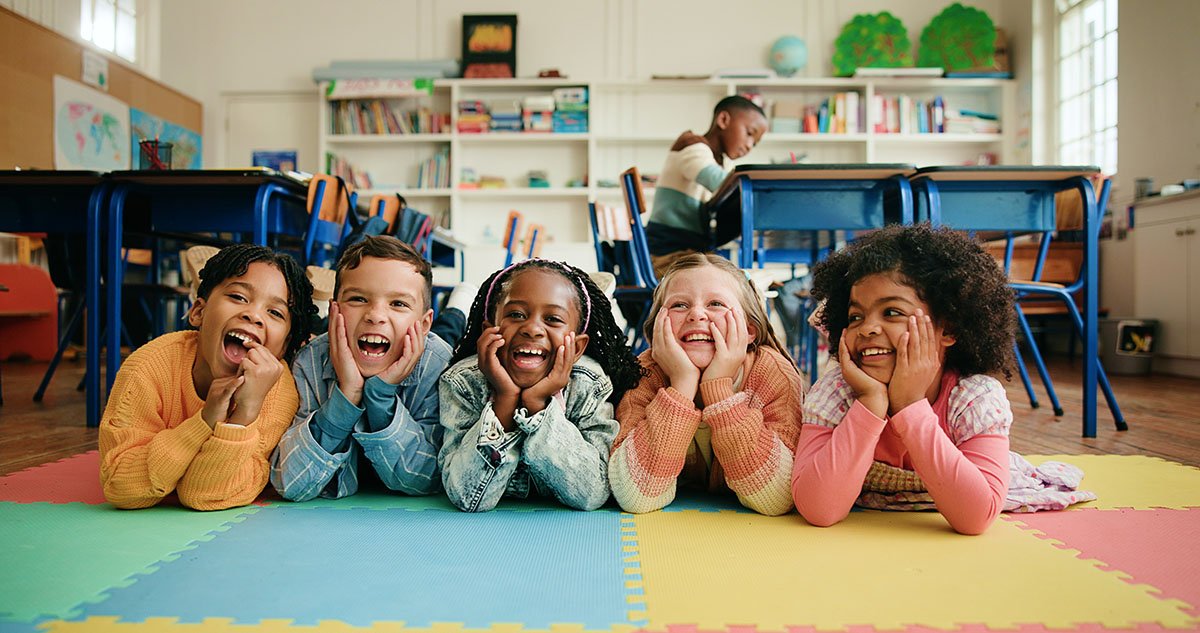
Fostering Inclusion, Empowering Minds: Culturally Responsive Teaching for a Diverse World
15 lessons · 5 hours · 0.5 ceus
Unlock Your Potential: Discover How You Learn Best
15 lessons · 7 hours · 0.7 ceus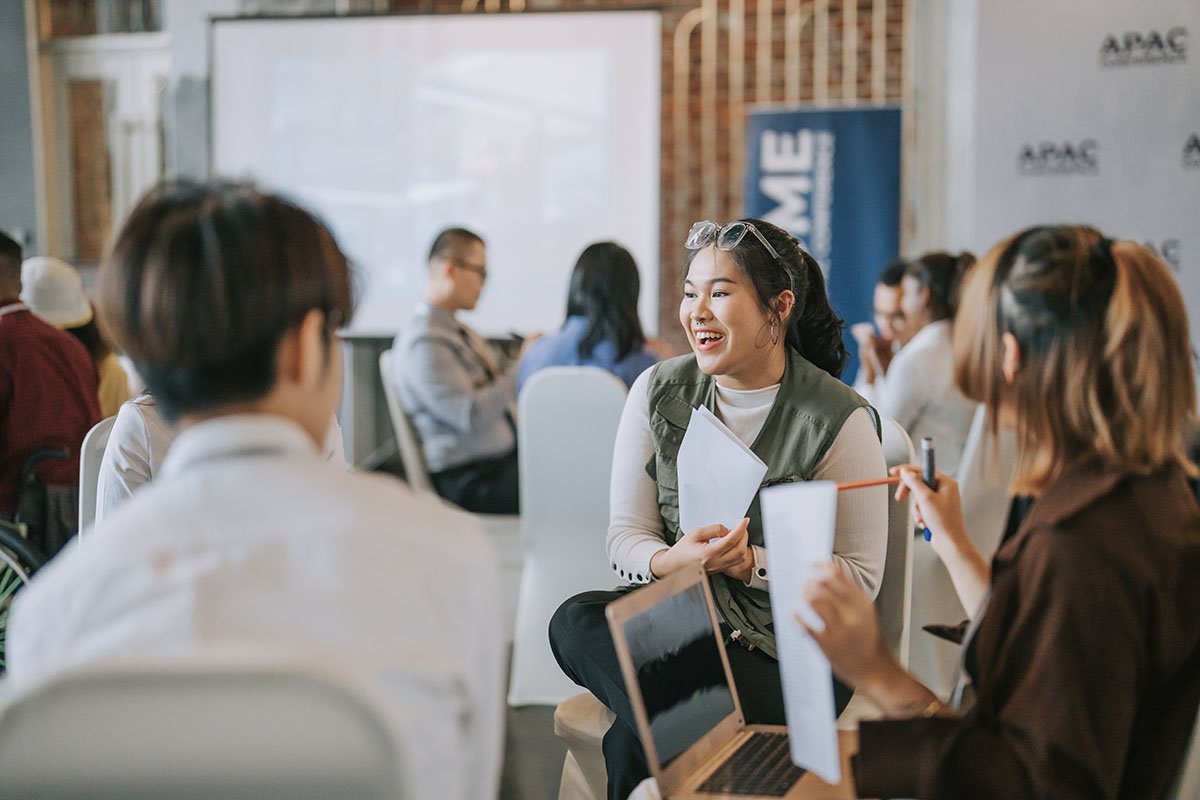
Elevate Your Expression, Empower Your Education
15 lessons · 7 hours · 0.7 ceus
Empower Curious Minds, Ignite Transformative Learning
15 lessons · 5 hours · 0.5 ceus
Amplify Your Impact: Lead with Your Voice
15 lessons · 5 hours · 0.5 ceus
Empower Minds, Transform Education
15 lessons · 6 hours · 0.6 ceus