
Career & Professional Development
Leadership Skills for Instructional CoachesEmpower, Inspire, Lead: Elevate Your Coaching Impact
15 lessons · 6 hours · 0.6 ceus
 Close
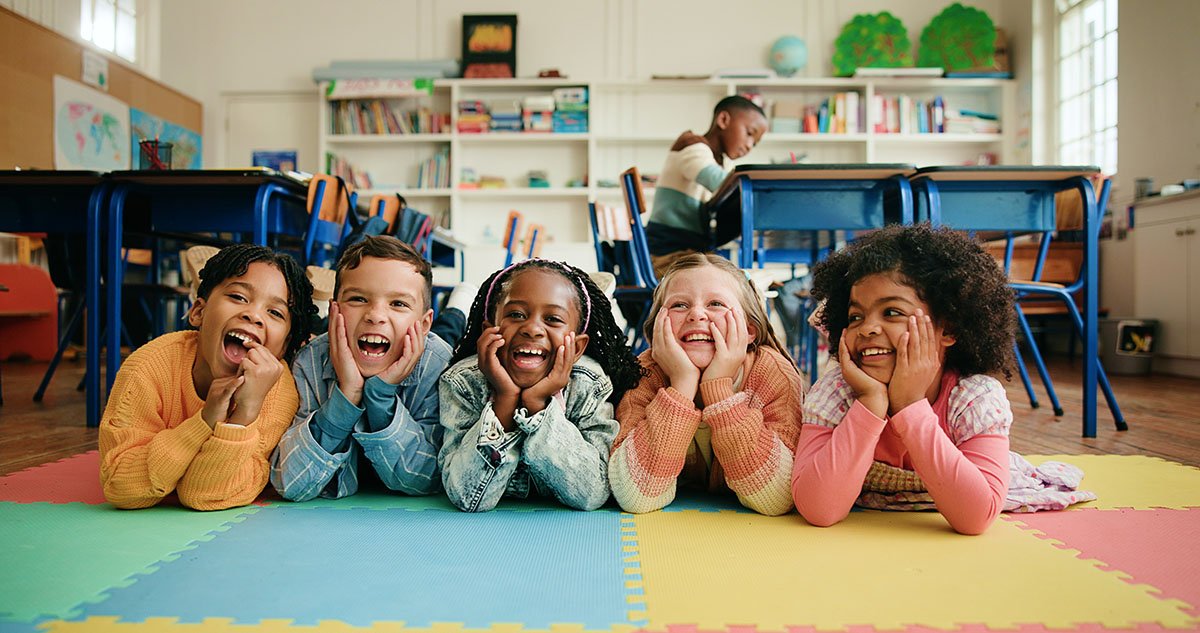
Fostering Inclusion, Empowering Minds: Culturally Responsive Teaching for a Diverse World
15 lessons · 5 hours · 0.5 ceus
Let your curiosity lead.Discover the practical power of Culturally Responsive Teaching Practices--a course designed to transform your educational approach by honoring each student's unique identity and background. Through this course, you'll delve into the profound connection between culture and education, gaining skills that not only enhance your teaching methods but also foster an inclusive, engaging classroom atmosphere. You'll explore critical concepts such as cultural competence, implicit biases, and diverse family dynamics, all of which are essential to creating a nurturing learning environment where all students can thrive.
Imagine a classroom where every student feels valued and understood--a space where their diverse cultural backgrounds are not just acknowledged but celebrated. By joining this course, you'll uncover the strategies needed to achieve just that. We emphasize practical techniques, like incorporating culturally relevant curricula and using digital tools to celebrate multicultural voices, making the learning experience more relatable and effective for your students. These skills are particularly beneficial when designing assessments and teaching practices that genuinely reflect diverse perspectives and learning needs.
Key to this course is the focus on developing your professional growth and cultural awareness. We invite you to engage with reflective journaling and other self-awareness exercises that challenge your preconceptions and empower you to dismantle systemic barriers in education. Our aim is for you to complete the course not just with new teaching strategies, but with a renewed sense of empathy and respect for the cultural richness your students bring into the classroom.
Join us on this path to embracing cultural diversity in education. We're here to guide you every step of the way, ensuring the skills you gain are immediately applicable in your teaching practice. Let's take this step together towards creating educational spaces that are as vibrant and diverse as the world around us.
15 lessons · 5 hours · 0.5 ceus
Empathy and cultural understanding empower educators to connect deeply with students, respecting their unique identities and encouraging shared stories. This dynamic builds trust and engagement, transforming the classroom into an environment that honors every student's lived experiences.
Recognizing the dynamic interplay between culture and identity enriches educational environments by fostering inclusive teaching practices that honor diverse perspectives. When educators integrate these elements into their classrooms, students are empowered through acknowledgment of their unique backgrounds, creating a nurturing and cohesive learning atmosphere.
Understanding implicit bias is essential for fostering culturally responsive teaching, as it influences teacher expectations and student experiences. Through self-awareness exercises and professional development, educators can mitigate biases, promote inclusivity, and honor the diverse backgrounds of their students.
Implementing a culturally relevant curriculum not only acknowledges the diverse makeup of classrooms but also empowers students by reflecting their identities in their studies. This strategy nurtures informed citizens who value diversity, fostering both academic and social growth.
Collaboration among educators, students, families, and communities is key to creating culturally inclusive curricula that recognize and include diverse perspectives. This approach ensures teaching methods adapt to varied learning styles and promotes student engagement by incorporating their voices in curriculum choices.
Culturally responsive practices in education require integrating diverse linguistic resources to affirm students' identities. Professional development helps educators address language bias effectively, fostering culturally inclusive classrooms.
Family engagement rooted in cultural responsiveness empowers educators to cultivate nurturing environments that benefit students academically and socially by integrating the distinct cultural identities of families into teaching practices. Professional development in cultural competence is vital for equipping teachers with the awareness and skills needed to establish authentic, respectful partnerships with diverse families.
By embracing students' cultural backgrounds in classroom practices, educators create inclusive environments that respect diverse identities, leading to better learning outcomes. Acknowledging unique cultural influences, from language to social norms, allows teachers to support varied learning styles, ultimately making education more engaging and effective.
Traditional assessments, through subtle cultural biases, can fail to accurately capture the capabilities of students from diverse backgrounds. By adopting a broader, inclusive assessment strategy, educators can empower students and validate their unique cultural narratives in the learning process.
Digital tools have revolutionized teaching by enabling educators to implement culturally responsive practices, which celebrate multiculturalism through personalized learning experiences. They allow students to incorporate their cultural narratives into educational projects, offering immersive activities like virtual field trips and video documentaries that promote intercultural understanding.
Integrating cultural perspectives in lessons enhances students' appreciation for global contributions, supporting a growth mindset. By recognizing the richness in linguistic and cultural diversity, educators promote resilience and inspire lifelong learning.
Systemic barriers in education, often arising from entrenched institutional practices, result in unequal opportunities for students based on identity markers such as race and socioeconomic status. Educators can transform these dynamics by adopting culturally responsive teaching methods, promoting diversity and inclusion, and advocating for equitable resource distribution.
Educators employing culturally relevant pedagogy craft inclusive classrooms by reflecting students' cultural backgrounds in lesson plans, enhancing engagement and comprehension. By fostering environments where students can express cultural identities, this approach empowers students to connect their culture to learning.
The pervasive nature of stereotypes, often stemming from colonial histories and societal norms, results in biased assumptions about racial and ethnic abilities, influencing students’ academic self-concept and performance. For educators, recognizing the detrimental impact of stereotypes necessitates adopting culturally responsive teaching practices to foster inclusive and supportive classroom environments.
Reflective journaling enhances cultural awareness by helping educators and students introspect on their cultural biases, ultimately fostering culturally responsive teaching practices. By documenting experiences and emotions in multicultural settings, it promotes self-awareness and cultural competence, benefiting personal growth and classroom inclusivity.
More ideas connected to your curiosity.
Empower, Inspire, Lead: Elevate Your Coaching Impact
15 lessons · 6 hours · 0.6 ceus
Empower Innovation, Redefine Connectivity
15 lessons · 4 hours · 0.4 ceus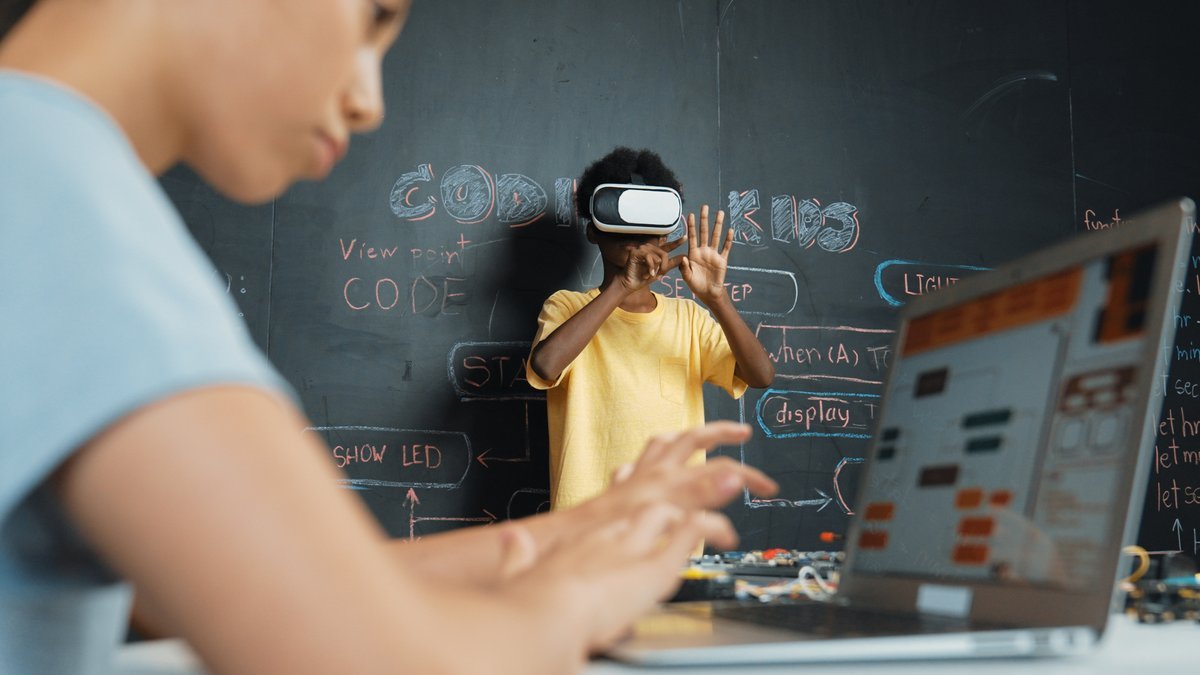
Elevate Your Learning Potential with Adaptive Innovation
15 lessons · 6 hours · 0.6 ceus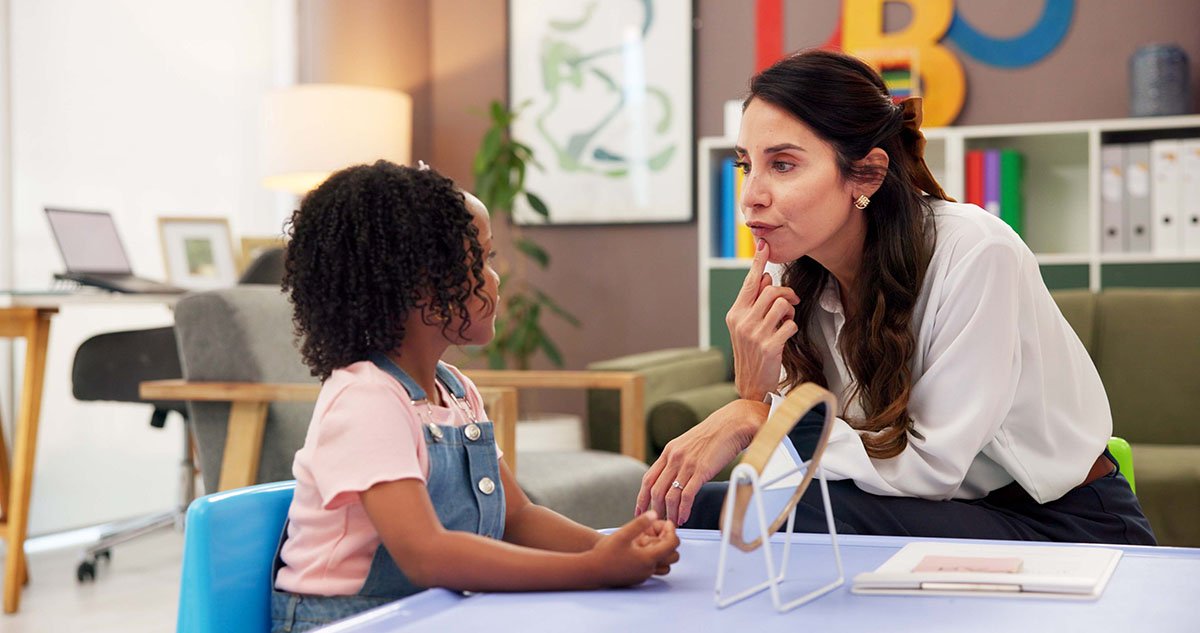
Transforming Education: Empowering Minds, One Flip at a Time
15 lessons · 5 hours · 0.5 ceus
Empower, Engage, Elevate: Transformative Tools for Teaching English Language Learners
15 lessons · 4 hours · 0.4 ceus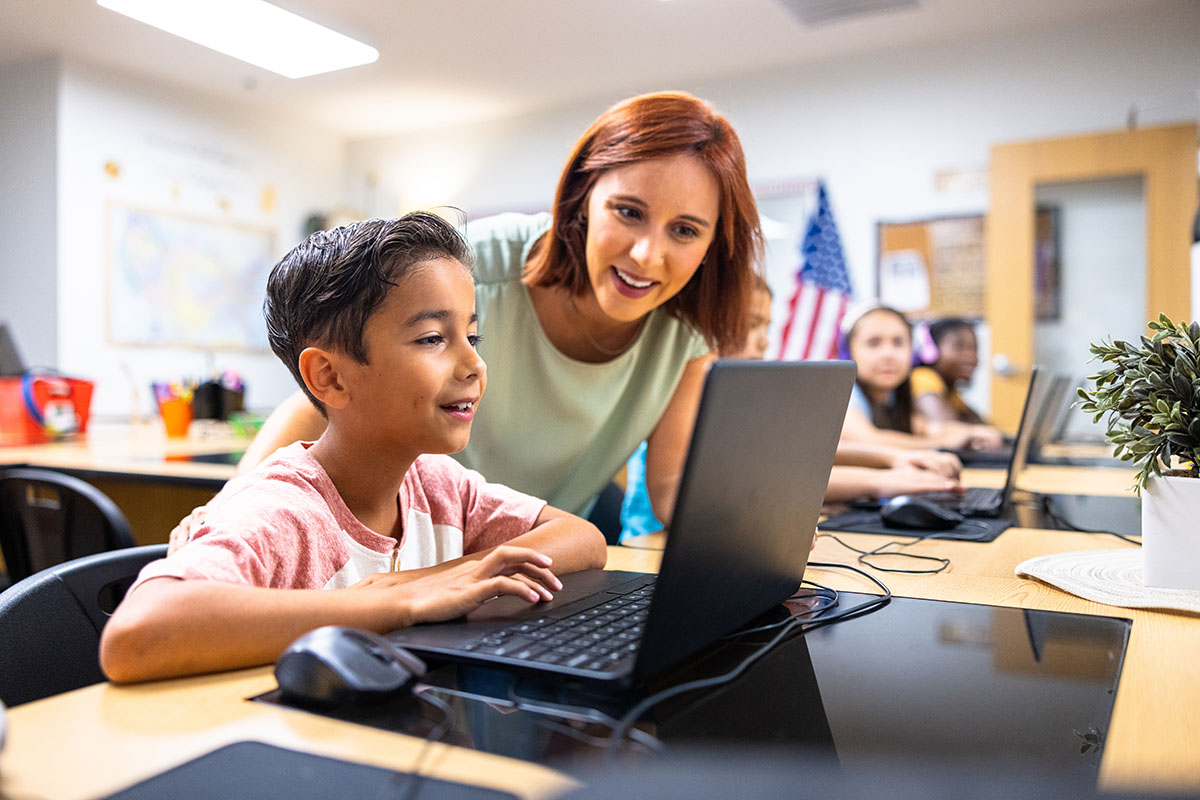
Designing Tomorrow's Learning, Today
15 lessons · 4 hours · 0.4 ceus
Unite, Empower, Educate: Building Bridges with Families
15 lessons · 5 hours · 0.5 ceus
Empowering Minds, Transforming Futures
15 lessons · 3 hours · 0.3 ceus
Bridging Knowledge with Action for Effective Teaching
15 lessons · 5 hours · 0.5 ceus
Empower Minds, Transform Futures
15 lessons · 7 hours · 0.7 ceus