Psychology
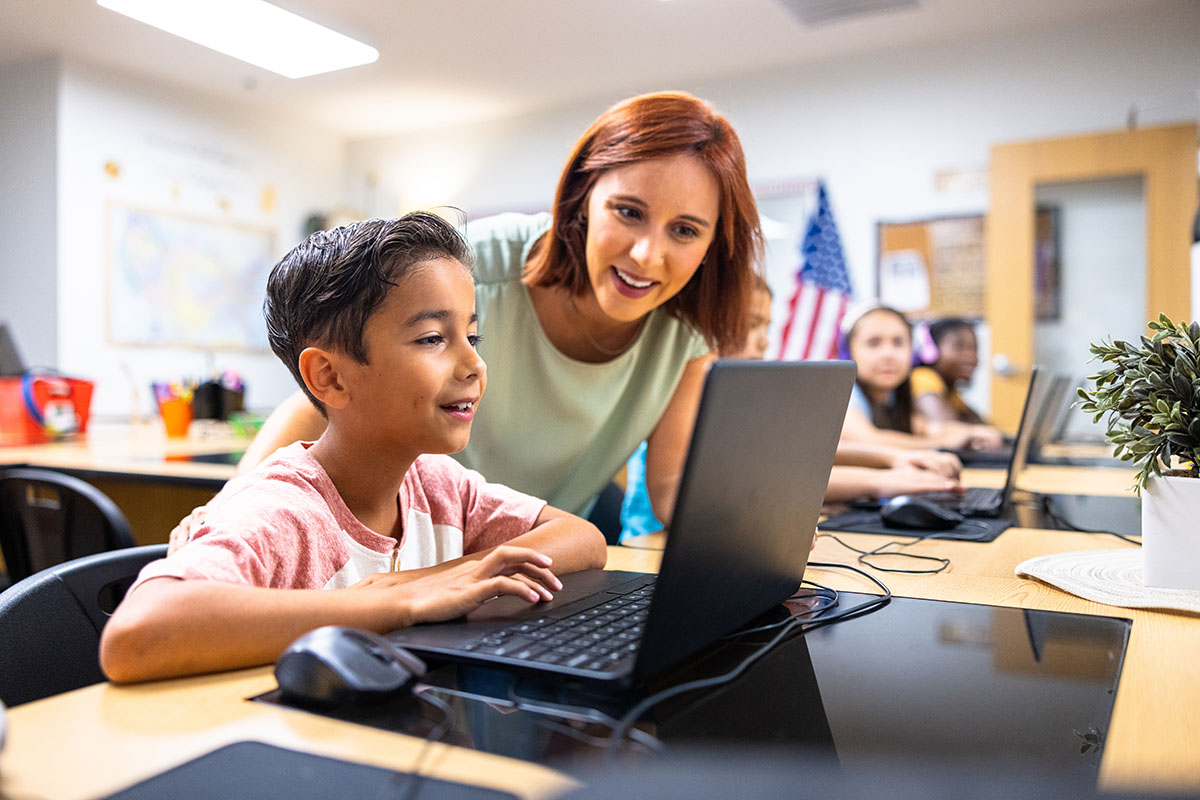
Innovative Curriculum Design for the 21st CenturyDesigning Tomorrow's Learning, Today
15 lessons · 4 hours · 0.4 ceus
 Close
Empower Growth Through Compassionate Classrooms
15 lessons · 5 hours · 0.5 ceus
Let your curiosity lead.Welcome to 'Creating a Safe and Supportive Learning Environment,' a course designed to empower you as an educator by focusing on the multifaceted aspects of fostering safe, inclusive, and engaging classrooms. As you navigate your teaching journey, you might yearn for strategies that not only enhance educational outcomes but also ensure that students feel valued and empowered. This course is your key to understanding and implementing practices that contribute to both academic success and emotional well-being.
In recognizing the importance of a robust learning environment, this course equips you with strategies for creating inclusive spaces that respect and nurture each student's unique strengths. You'll gain insights into how differentiated instruction and culturally responsive teaching can effectively engage students and foster social-emotional development. By addressing the needs of diverse learners, you'll be better equipped to make every student feel heard and supported, promoting a thriving community of learners.
Moreover, as digital literacy becomes increasingly vital, our focus on empathy training and community involvement will guide you in fostering an environment built on respect and safety. Through these components, you'll learn to address critical issues like bullying and peer conflicts, ensuring that classroom dynamics are rooted in trust and collaboration. Transformative tools like non-violent communication will also be introduced, enhancing classroom interactions and preparing students for diverse global communities.
Whether you are looking to enhance relationship building or develop effective communication strategies, this course provides practical skills to create an environment that inspires both educators and students. By the end, you'll possess the knowledge and confidence to design classrooms where emotional safety and empowerment take center stage. We look forward to supporting you as you craft meaningful and engaging educational experiences. Welcome aboard!
15 lessons · 5 hours · 0.5 ceus
Classroom safety extends beyond physical measures to include communication practices fostering a respectful and inclusive atmosphere. Empowering students through safety leadership roles and drills enhances their awareness and ensures everyone feels heard and protected.
Addressing conflicts with empathy encourages collaboration and dialogue, teaching students conflict resolution skills and reinforcing a sense of equality. Facilitating discussions and finding compromises can enhance classroom cohesion and trust, essential components of an effective learning space.
Understanding and valuing diverse learning needs is key to creating an inclusive educational environment that respects and nurtures each student’s unique strengths and challenges. Differentiated instruction and culturally responsive teaching strategies are essential tools that empower educators to engage students effectively and foster comprehensive academic and social-emotional development.
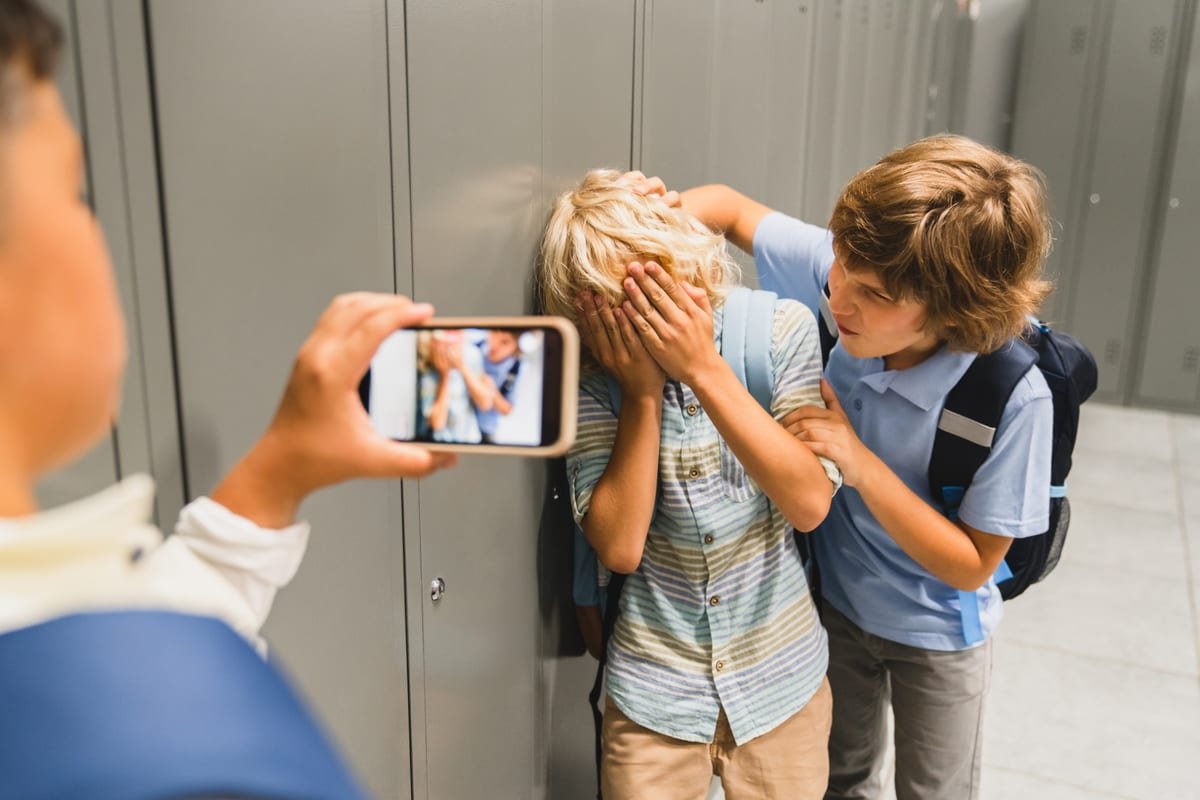
The unseen effects of bullying, including reduced academic performance and mental health issues, demand comprehensive prevention strategies in schools. Emphasizing digital literacy, empathy training, and community involvement fosters an environment of respect and safety, preparing students to navigate relationships responsibly.
Establishing trust and communication lays the foundation for a safe learning environment by fostering mutual respect and understanding. This can lead to transformative educational experiences where students feel valued and engaged.
Creating an emotionally safe classroom involves using strategies that promote inclusion, empathy, and communication, where personal stories and diverse cultural backgrounds foster a sense of belonging. Implementing such approaches leads to reduced stress, increased collaborative engagement, and nurturing a growth mindset.
Culturally competent educators adapt teaching methods to meet the diverse needs of students, fostering an inclusive and supportive classroom atmosphere. This approach not only improves academic outcomes but also prepares students to thrive in a diverse global society.
Adaptable boundaries in multicultural education respect diverse communication styles and cultural norms, enriching the learning experience. This practice ensures every student feels valued and heard, which enhances both educational and social outcomes.
Teachers can build a collaborative and supportive classroom culture by incorporating students' personal and cultural elements into the learning space. Flexibility in seating and fostering social interaction helps students express themselves authentically.
Empowering students by valuing their voices and experiences enriches the educational tapestry, aligning learning with individual interests and diverse cultural backgrounds. Incorporating technology as a tool for expression amplifies these voices, creating a supportive, student-centered environment.
Empathy and active listening are critical in educational settings, encouraging open communication and deeper connections. These skills not only improve classroom dynamics but also have broader applications in enhancing team morale and productivity in professional environments.
The lesson underscores the significance of tailoring educational environments to accommodate a variety of disabilities, creating an atmosphere of empathy and empowerment for all students. It emphasizes the importance of recognizing the wide spectrum of disabilities, including physical, cognitive, emotional, and sensory impairments, each requiring unique strategies for effective education.
Creating a supportive learning environment is crucial for mental health, allowing students to thrive both academically and personally. Schools that emphasize mental well-being improve educational outcomes and foster an inclusive community and empathy among students.
By integrating local businesses and organizations, schools can access additional resources to address safety challenges, creating partnerships that redirect collective resources efficiently. This collaboration leads to safer school climates by offering programs that engage students positively, reducing risks, and reinforcing a sense of community commitment.
By leveraging resources and technology, educators provide equitable opportunities for student success, ensuring diverse learning styles are addressed. Engaging teaching methods, along with positive reinforcement and continuous feedback, further empower students, driving motivation and achievement.
More ideas connected to your curiosity.
Designing Tomorrow's Learning, Today
15 lessons · 4 hours · 0.4 ceus
Empower, Inspire, Retain: Cultivating Thriving Educators
15 lessons · 3 hours · 0.3 ceus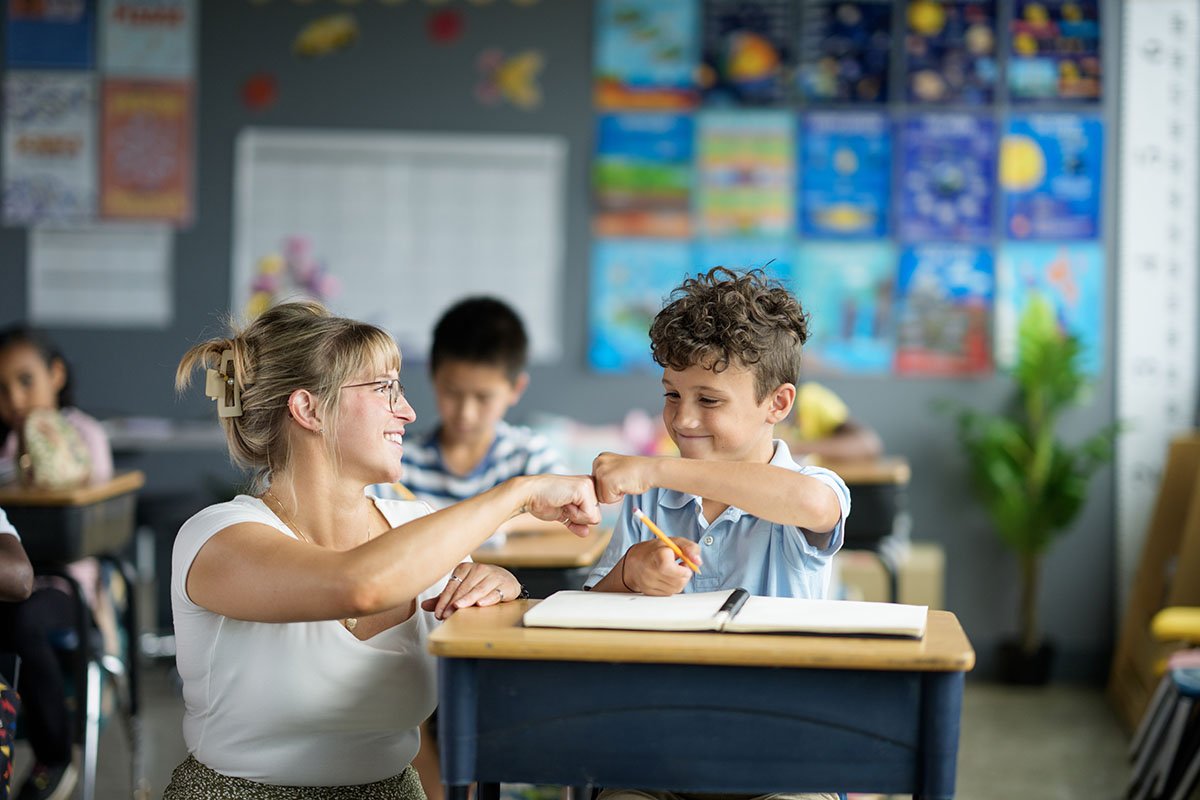
Cultivate Infinite Potential: Empower Students with a Growth Mindset
15 lessons · 6 hours · 0.6 ceus
Transforming Education: Empowering Minds, One Flip at a Time
15 lessons · 5 hours · 0.5 ceus
Shaping Tomorrow's Schools, Today
15 lessons · 3 hours · 0.3 ceus
Unlocking Potential through Insightful Assessment
15 lessons · 6 hours · 0.6 ceus
Fostering Inclusion, Empowering Minds: Culturally Responsive Teaching for a Diverse World
15 lessons · 5 hours · 0.5 ceus
Empower Curious Minds, Ignite Transformative Learning
15 lessons · 5 hours · 0.5 ceusTransform Insights into Impact
15 lessons · 5 hours · 0.5 ceus
Empowering Minds, Transforming Futures
15 lessons · 3 hours · 0.3 ceus