Language Arts
Aligning Curriculum with State StandardsElevate Education: Master the Art of Standards-Driven Curriculum
15 lessons · 7 hours · 0.7 ceus
 Close
Empower Minds, Transform Education
15 lessons · 6 hours · 0.6 ceus
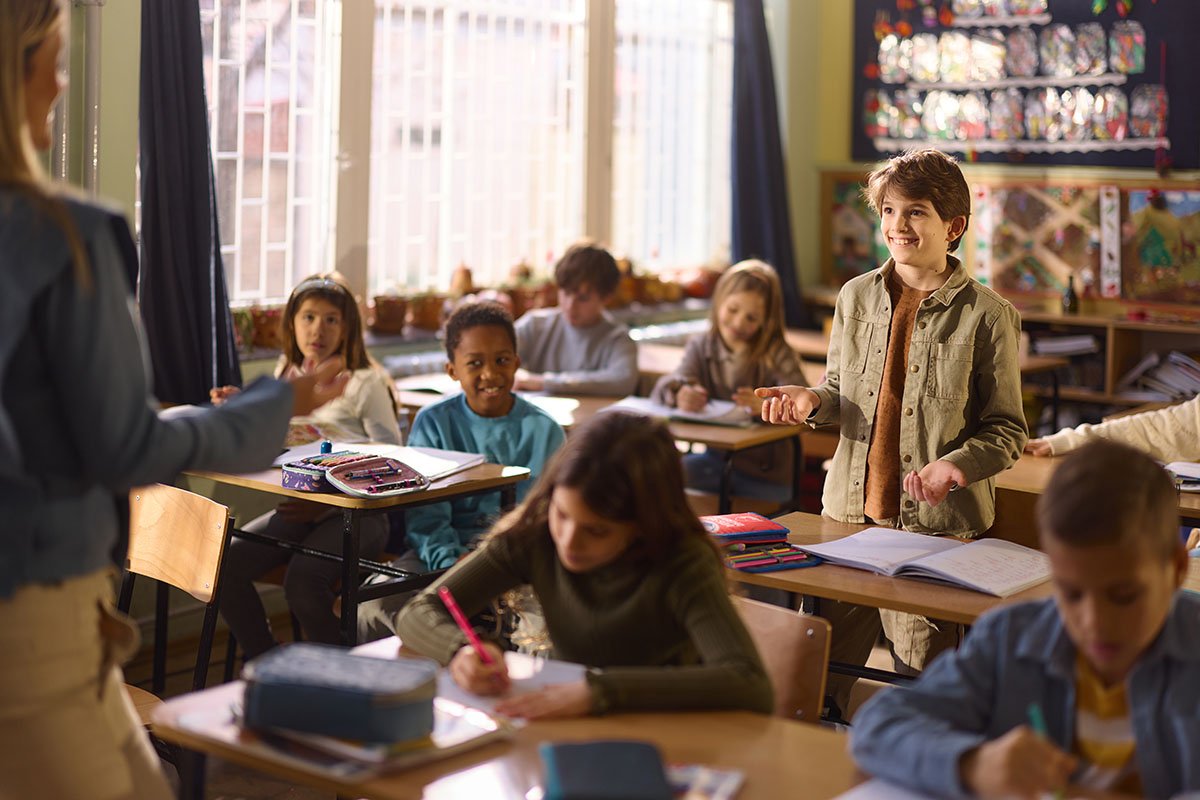
Let your curiosity lead.Are you an educator looking to transform your classroom into a vibrant, learner-centered environment? Our course, 'Creating Learner-Centered Classrooms,' is designed to equip you with the tools and techniques needed to cultivate dynamic learning spaces that prioritize student engagement and inclusivity. Delve into the art of fostering trust and psychological safety, understand the synergy between intrinsic and extrinsic motivation, and explore inquiry-based learning to spark curiosity and innovation. With a focus on adaptive learning technologies and formative assessments, you'll learn how to tailor education to meet the unique needs of every student, enhancing their critical thinking and problem-solving capabilities.
By integrating culturally responsive teaching and embracing diversity, you'll create a classroom where every student feels valued and empowered to succeed. This course not only prepares you to be a facilitator of learning but also empowers you to nurture resilient, empathetic learners ready for the complexities of the 21st century. Start today, and reimagine the possibilities of what a classroom can be.
15 lessons · 6 hours · 0.6 ceus
Collaborative learning driven by trust not only meets educational goals but also strengthens interpersonal skills. Employing culturally responsive teaching and technology, educators make learning inclusive and beneficial while integrating diverse cultural perspectives into the curriculum.
The significant role of formative assessments in continuously adapting teaching methods to align with student needs is highlighted, using tools like quizzes and peer reviews. This diagnostic approach allows instructors to support each student's progress effectively, ultimately customizing the learning journey.
Inquiry-based learning transforms education by placing curiosity and critical thinking at its core, encouraging students to explore and connect knowledge to real-world contexts. With the support of technology, this methodology develops essential skills, fostering independent and engaged learners prepared to navigate and contribute to the 21st century.
Critical thinking in education transforms students into active learners by empowering them to question assumptions and synthesize new ideas within a learner-centered environment, fostering intellectual growth and personal development. It encourages analysis of cultural and historical contexts in literature and politics, empowering students to appreciate diverse perspectives and complexity.
Data-driven adaptive learning technologies demonstrate significant improvements in student outcomes, evidenced by increased achievement across subjects. Educators gain valuable insights, allowing them to adapt instructional strategies swiftly to meet individual student needs.
Culturally responsive teaching and socio-emotional learning foster an inclusive and empathetic classroom culture, breaking down barriers to learning. Educators who embrace diversity, offer a safe space for expression, and engage with professional development empower students to thrive academically and socially.
Creating self-directed learning environments involves prioritizing student agency, which cultivates ownership and motivates engagement, aligning with learner-centered education. By integrating autonomy and choice, teachers can inspire deeper critical thinking and problem-solving skills through personalized projects and mediums.
Technology enhances formative assessments by offering instant feedback and diverse avenues for student expression, thus promoting agency and motivation. Digital portfolios and interactive quizzes not only prompt reflection but also create adaptive learning experiences tailored to individual strengths.
Understanding and catering to diverse learner needs fosters environments where each student is respected and valued for their unique perspectives and learning styles. Educators can use theories such as Howard Gardner's multiple intelligences to create inclusive classrooms that support varied intelligences, like spatial or interpersonal skills, enhancing the overall learning experience.
Student reflection, through journals or digital tools, enables self-assessment and the setting of personal learning goals, enhancing self-regulation and critical thinking. This practice micro-targets learning objectives, visualizing progress in learner-centered classrooms that prioritize student agency.
SEL's integration in education redefines success by balancing cognitive and emotional development. Effective SEL programs are linked to improved academic performance and social behaviors, creating future generations equipped with empathy, responsibility, and social awareness to thrive in an interconnected world.
A learner-centered classroom transforms education by focusing on student empowerment, active learning, and differentiated instruction, diverging from teacher-centered norms. Educators become facilitators, guiding students through personalized and engaging experiences, enhancing their critical thinking and adaptability skills for future complexities.
In learner-centered classrooms, customizable learning and collaboration are key, empowering students to tailor their educational experiences and work together to develop diverse perspectives. This approach emphasizes formative assessment and real-world application, fostering critical thinking and preparing learners for challenges beyond the classroom.
The UDL framework empowers educators to teach inclusively, using varied strategies to engage, represent content, and allow diverse expression, thereby removing learning barriers. Leveraging technology and innovation, UDL prepares students for complex, real-world environments by promoting adaptability and critical skills.
Schools enhance learner-centered education by collaborating with family and community resources, bridging gaps with free educational tools and cultural enrichment activities. These initiatives ensure inclusivity, adapting both communication strategies and learning opportunities to meet diverse family needs.
More ideas connected to your curiosity.
Elevate Education: Master the Art of Standards-Driven Curriculum
15 lessons · 7 hours · 0.7 ceus
Unlocking Potential Through Partnership
15 lessons · 3 hours · 0.3 ceus
Cultivating Collaborative Excellence for Lasting Impact
15 lessons · 6 hours · 0.6 ceus
Bridging Knowledge with Action for Effective Teaching
15 lessons · 5 hours · 0.5 ceus
Unlock Your Potential: Discover How You Learn Best
15 lessons · 7 hours · 0.7 ceus
Innovate, Inspire, Impact: Transform Your Teaching Today
15 lessons · 5 hours · 0.5 ceus
Empowering Education with Insightful Analytics
15 lessons · 4 hours · 0.4 ceus
Empower Education Through Innovative Blended Learning Models
15 lessons · 7 hours · 0.7 ceus
Empower Young Minds, Ignite Lifelong Readers
15 lessons · 3 hours · 0.3 ceus
Empower Tomorrow's Classroom Today
15 lessons · 7 hours · 0.7 ceus