Computers & Technology
Adaptive Learning TechnologiesElevate Your Learning Potential with Adaptive Innovation
15 lessons · 6 hours · 0.6 ceus
 Close

Innovate, Inspire, Impact: Transform Your Teaching Today
15 lessons · 5 hours · 0.5 ceus
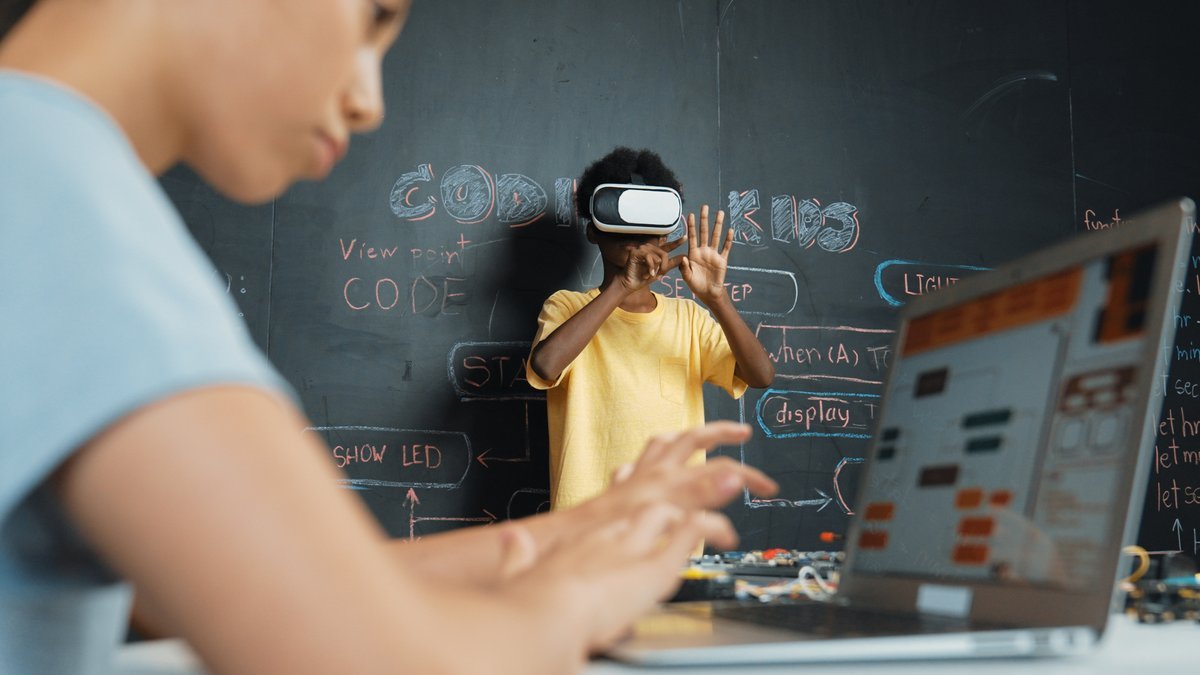
Let your curiosity lead.Discover the art and science of teaching with our Advanced Pedagogical Techniques course. As an educator, you strive to meet the diverse needs of your students, and this course empowers you with innovative strategies to do just that. You'll explore the latest in adaptive learning, culturally responsive teaching, and game-based education, all aimed at enriching your classroom practices. Imagine being equipped to tailor your teaching methods to various learning styles using technology and data-driven insights, making education more engaging and effective for every student.
Dive into interdisciplinary approaches that connect subjects, fostering holistic learning and enhancing critical thinking skills. Learn to harness the power of real-time feedback and digital tools to create vibrant, inclusive, and interactive educational environments. This course doesn't just provide theoretical knowledge; it offers practical techniques that you can apply immediately to transform your teaching and nurture a love for learning in your students. Join us and redefine what effective education looks like, all while maintaining your unique teaching style. Whether you're an experienced educator or new to the field, our course welcomes you to enhance your skills in a way that's both achievable and rewarding.
15 lessons · 5 hours · 0.5 ceus
Understanding that each student brings distinct cognitive, cultural, and emotional qualities to the classroom opens avenues for innovative and inclusive teaching. Personalized and adaptive learning, supported by technology, creates opportunities for all students to reach their potential.
Equipped with digital literacy skills, educators streamline administrative tasks, allowing more focus on personalized student interactions and active learning. By analyzing student data, teachers make informed instructional decisions, ensuring educational approaches meet learners' unique needs.
Culturally inclusive classrooms demand ongoing reflection and professional development to address implicit biases and celebrate all student backgrounds. Through differentiated instruction and flexible communication approaches, educators support equitable participation and foster a sense of belonging for every student.
Advanced feedback techniques must be adapted to accommodate diverse learners, using cultural sensitivity and personalized approaches to nurture student growth. Incorporating technology allows feedback to be more accessible and engaging, supporting learners with varied needs through multimedia formats and digital platforms.
Lesson Summary 4: Interdisciplinary curriculum design aligns with advances in cognitive science, which highlight improved cognitive flexibility when integrating knowledge across disciplines. Such adaptability equips students to engage with real-world problems, exemplified by projects requiring insights from diverse fields like technology, humanities, and natural sciences.
Data-driven instruction transforms education by using analytics to tailor learning experiences, making classrooms adaptable and responsive to student needs. This data-centric approach helps educators identify student strengths and weaknesses, offering personalized learning pathways that enhance educational outcomes.
This lesson highlights the role of educational techniques like analogical reasoning, metacognition, and feedback in advancing students' problem-solving skills, creating a foundation for deeper content understanding. Leveraging methods such as Socratic questioning and PBL, educators cultivate a dynamic learning environment that empowers students to explore diverse perspectives and navigate real-world challenges effectively.
Differentiated teaching leverages formative assessments to tailor instruction according to individual student needs, promoting a personalized learning experience. Adaptive technology enhances these efforts by providing real-time feedback and diverse expression pathways, ensuring comprehensive understanding.
Emerging technologies such as virtual and augmented reality expand the educational possibilities for gamification, offering immersive experiences that facilitate deeper learning of complex topics. As gamified strategies integrate with traditional teaching, the education system leans towards personalized, adaptive learning experiences driven by technological advancements.
Neurotransmitters like dopamine and serotonin play pivotal roles in motivation and mood regulation, impacting engagement and emotional dynamics within the classroom. Understanding neuroplasticity allows educators to create environments where students can adapt and grow, perpetually honing skills and overcoming learning obstacles through varied experiences.
As an educational approach, PBL infuses academic rigor with creativity and societal relevance, democratizing education by fostering environments of high energy and enthusiasm. This comprehensive method nurtures entrepreneurial spirit and lifelong curiosity, empowering students to emerge as critical thinkers, innovators, and proactive contributors to society.
Diverse classroom settings benefit from SEL by promoting empathy and appreciation for various perspectives, supported by multicultural activities and role-playing exercises that enhance understanding and respect. Assessments tailored to SEL provide educators insights to tailor their approach, identifying unique social and emotional needs, ensuring inclusive and nurturing educational environments.
Tech-integrated education transforms traditional learning by leveraging virtual tools and adaptive platforms to cater to individual student needs. By immersing students in real-world scenarios, this approach bridges theoretical knowledge with practical application, fostering deeper understanding and curiosity.
Collaborative learning, championed by Vygotsky, emphasizes social interactions for knowledge construction, leveraged by modern digital tools like Google Workspace and Microsoft Teams to transcend traditional educational boundaries. Technology facilitates global connectivity, fostering deeper understanding and 21st-century skills such as communication, teamwork, and digital literacy through immersive, inclusive, and adaptive learning environments.
Understanding and accommodating diverse learning styles is crucial in creating an inclusive educational environment, where each student's unique abilities are recognized and nurtured. By tailoring teaching strategies according to the VARK model, educators can effectively maximize student potential by catering to visual, auditory, reading/writing, and kinesthetic preferences.
More ideas connected to your curiosity.
Elevate Your Learning Potential with Adaptive Innovation
15 lessons · 6 hours · 0.6 ceus
Empower Your Words, Elevate Your World
15 lessons · 3 hours · 0.3 ceus
Enhance Growth, Empower Success: Master the Art of Feedback
15 lessons · 4 hours · 0.4 ceus
Bridging Knowledge with Action for Effective Teaching
15 lessons · 5 hours · 0.5 ceus
Ignite Minds, Craft Experiences, Transform Learning
15 lessons · 4 hours · 0.4 ceus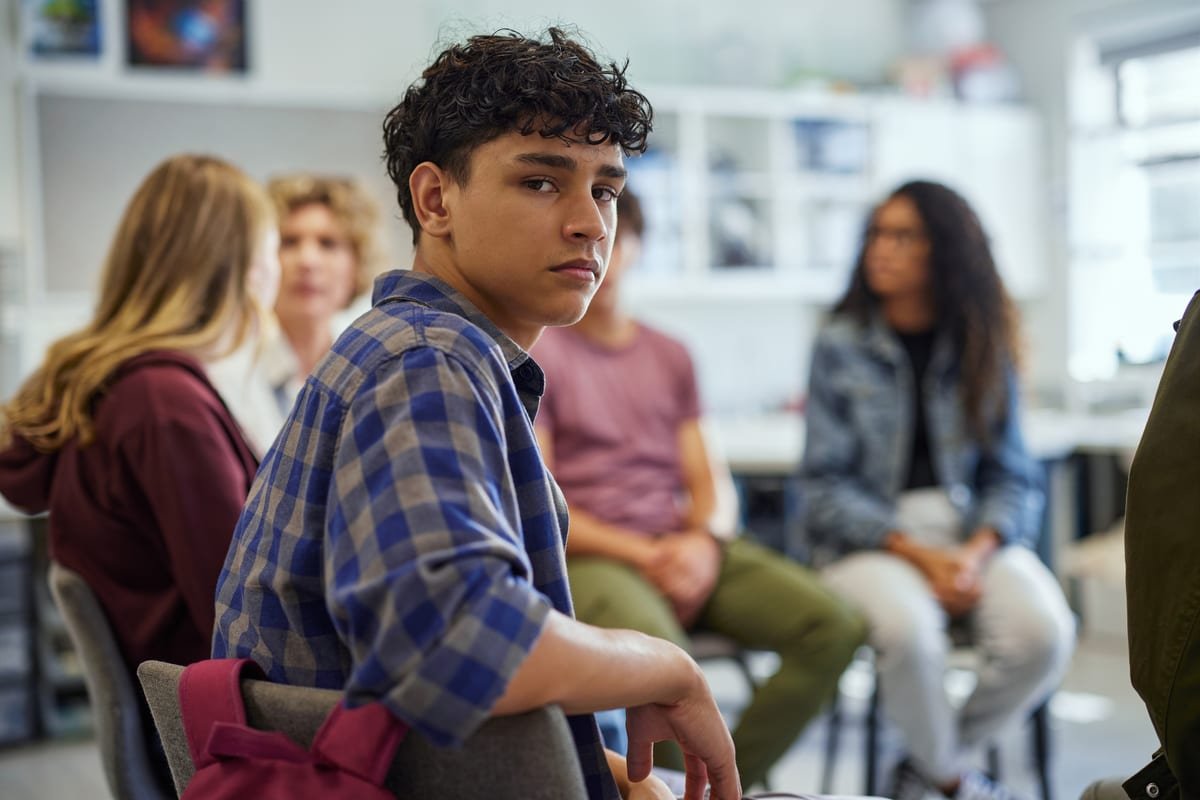
Unlocking the Potential: Navigating the Teenage Years
15 lessons · 7 hours · 0.7 ceus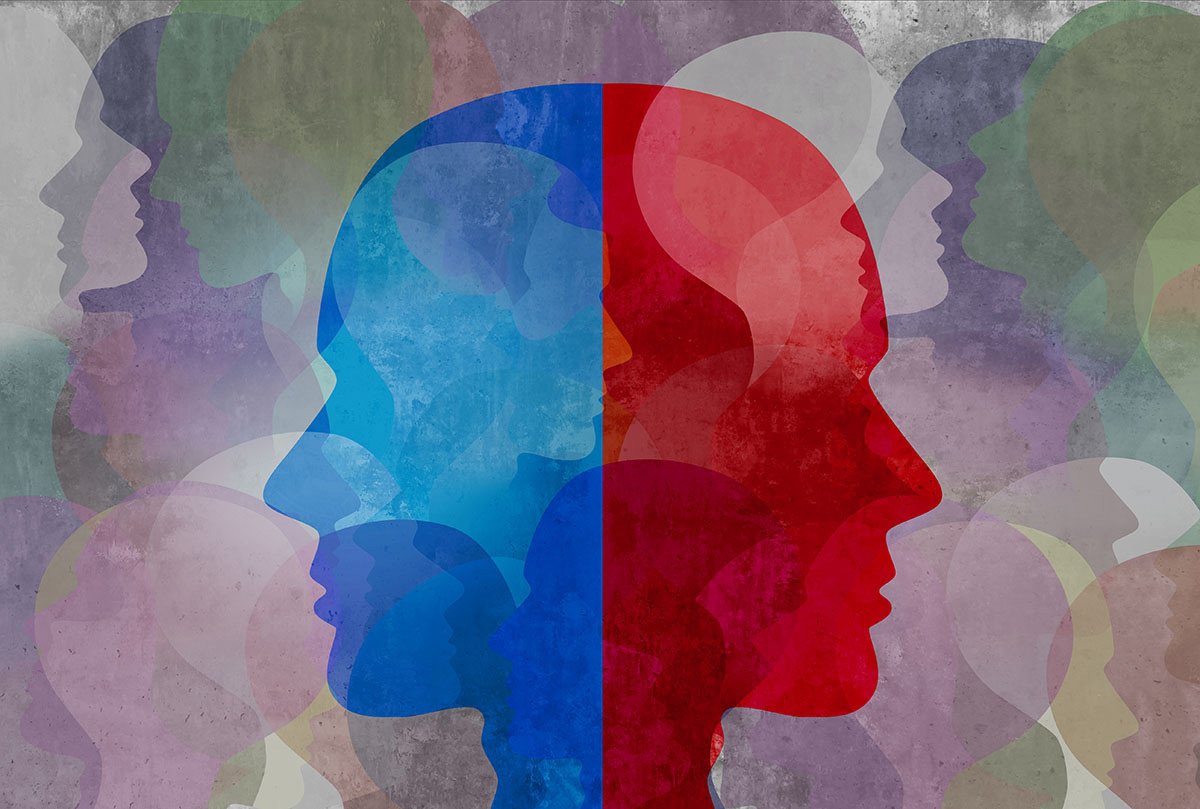
Empower, Inspire, Transform: Elevate Education with Emotional Intelligence
15 lessons · 4 hours · 0.4 ceus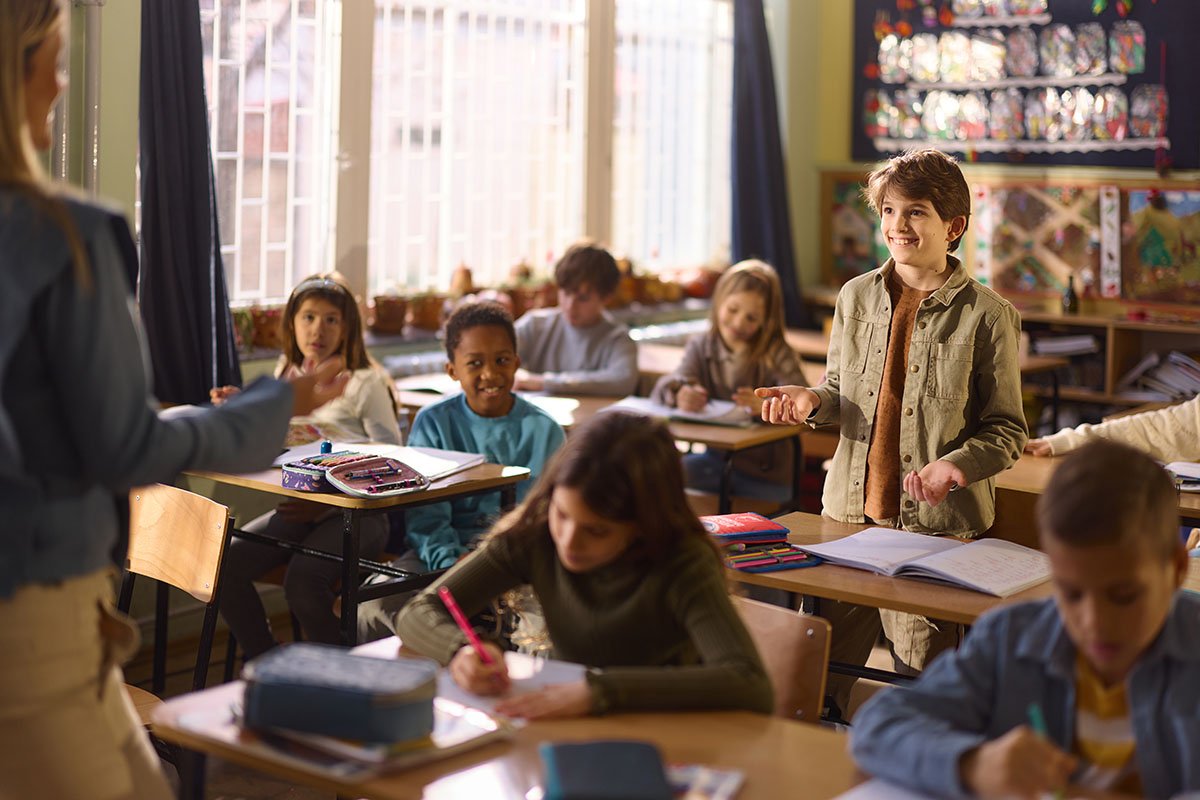
Empower Tomorrow with Resilient Minds Today
15 lessons · 3 hours · 0.3 ceus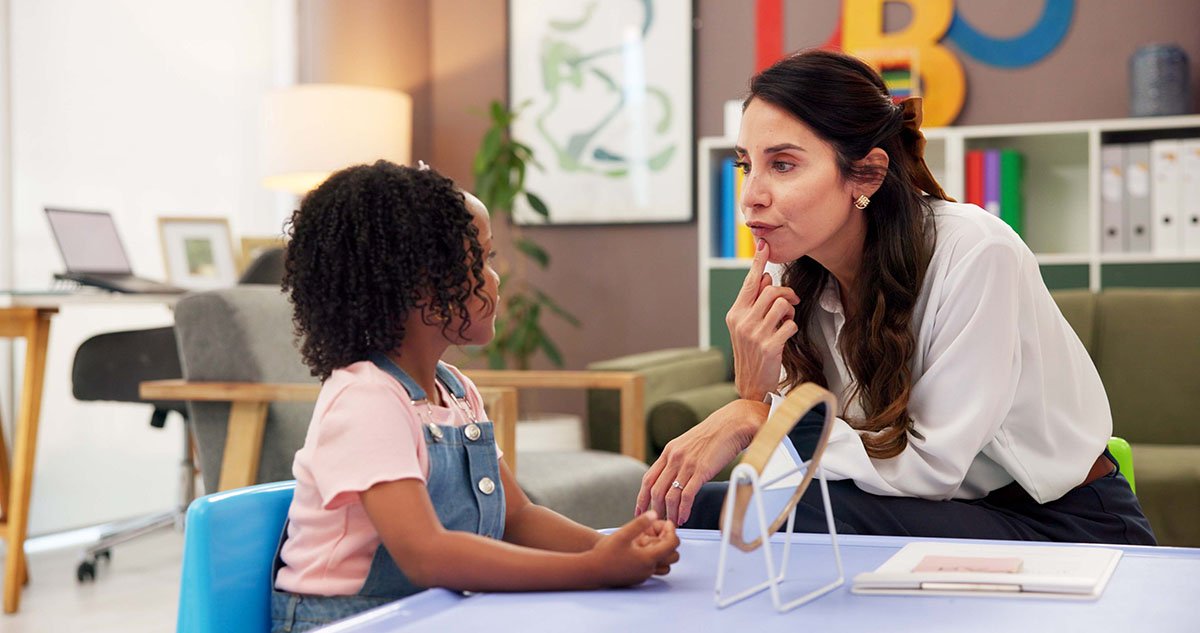
Transforming Education: Empowering Minds, One Flip at a Time
15 lessons · 5 hours · 0.5 ceus
Empower Your Teaching: Cultivate Calm, Inspire Success
15 lessons · 5 hours · 0.5 ceus