
Office Skills
Understanding Educational NeuroscienceUnlock the Brain: Transform Learning with Neuroscience Insights
15 lessons · 5 hours · 0.5 ceus
 Close

Empower Your Classroom, Inspire Your Future
15 lessons · 6 hours · 0.6 ceus
Let your curiosity lead.Are you stepping into the classroom for the first time and wondering how to create a positive learning environment? Our 'Classroom Management for New Teachers' course is designed to help you build a foundation of effective strategies right from the start. You'll gain practical skills to establish clear rules, manage transitions smoothly, and maintain an inclusive classroom where every student feels valued. Understand how to foster positive relationships with your students and keep them engaged through interactive learning techniques.
We'll also explore modern tools and consistent discipline strategies to ensure your classroom runs efficiently. Plus, you'll learn to communicate effectively with parents and guardians, adapting your approach for diverse learners. Our aim is to equip you with the confidence to handle disruptive behavior and create a safe, supportive learning atmosphere. Join us to refine your practices and start your teaching journey with confidence and capability. We look forward to supporting your growth as an inspiring educator!
15 lessons · 6 hours · 0.6 ceus
Foundation of classroom management lies in a teacher's ability to create a trust-driven environment through empathy, clarity, and adaptability. Personalized rules and structured routines promote harmony and engagement, steering students toward lifelong learning.
Establishing clear classroom rules sets the stage for a productive learning environment, emphasizing student engagement and self-discipline. By involving students in this process and adapting to their needs, educators foster a sense of ownership and inclusivity.
Empathy's impact extends beyond academic settings, encouraging students to appreciate varied human experiences and preparing them for societal contributions. Empathetic educational practices mold future leaders who approach life with understanding, respect, and the ability to cultivate meaningful connections.
Nurturing strong relationships with students allows educators to attune their strategies to the specific aspirations and challenges of each learner. Empathy-driven interactions emphasize the importance of understanding and responding to diverse needs, fostering a unified classroom community.
Structured transitions prevent chaos, as clear routines minimize downtime and misbehavior in the classroom. Consistency in transition strategies provides students with predictability and reduces their anxiety.
Cultural sensitivity and bias awareness in discipline management ensure fair treatment and inclusivity within increasingly diverse classrooms. By understanding and adapting to cultural differences, educators can create accommodating atmospheres that nurture student engagement and equitable relationships.
Positive reinforcement in classrooms empowers teachers to motivate and guide students, creating an encouraging atmosphere for behavior and academic success. Tailored to student needs, these strategies promote cooperation, resilience, and a harmonious learning environment that supports diverse learners.
Teachers can cultivate a supportive and engaging learning atmosphere by prioritizing tasks that align with core educational objectives and maintaining flexibility in response to changes. Collaboration with peers and utilizing digital tools streamline workload management, ensuring focus on what's truly important.
Lesson Summary 4: Addressing emotional, social, and sensory needs enhances classroom inclusion, promoting active learning and reducing disruptions. Strategies like SEL integration and empathetic communication reshape classroom dynamics, nurturing student engagement and respect for diverse perspectives.
Technology plays a vital role in modern education, offering tools for interactive and effective teaching. Real-world applications and feedback deepen understanding, making learning more relevant and engaging.
Utilizing Technology for Classroom Management
Communicating Effectively with Parents and Guardians
Adapting Classroom Management for Diverse Learners
Reflecting on Personal Teaching Practices
Creating a Safe and Supportive Learning Atmosphere
More ideas connected to your curiosity.
Unlock the Brain: Transform Learning with Neuroscience Insights
15 lessons · 5 hours · 0.5 ceus
Elevate Your Confidence, Master Your Presentation
15 lessons · 5 hours · 0.5 ceus
Empower Your Path: Transform Challenges into Triumphs
15 lessons · 4 hours · 0.4 ceus
Foster Unbreakable Connections and Lifelong Companions
15 lessons · 4 hours · 0.4 ceus
Empower Change: Heal the Past, Transform the Future
15 lessons · 5 hours · 0.5 ceus
Empower Minds, Elevate Well-being
15 lessons · 6 hours · 0.6 ceus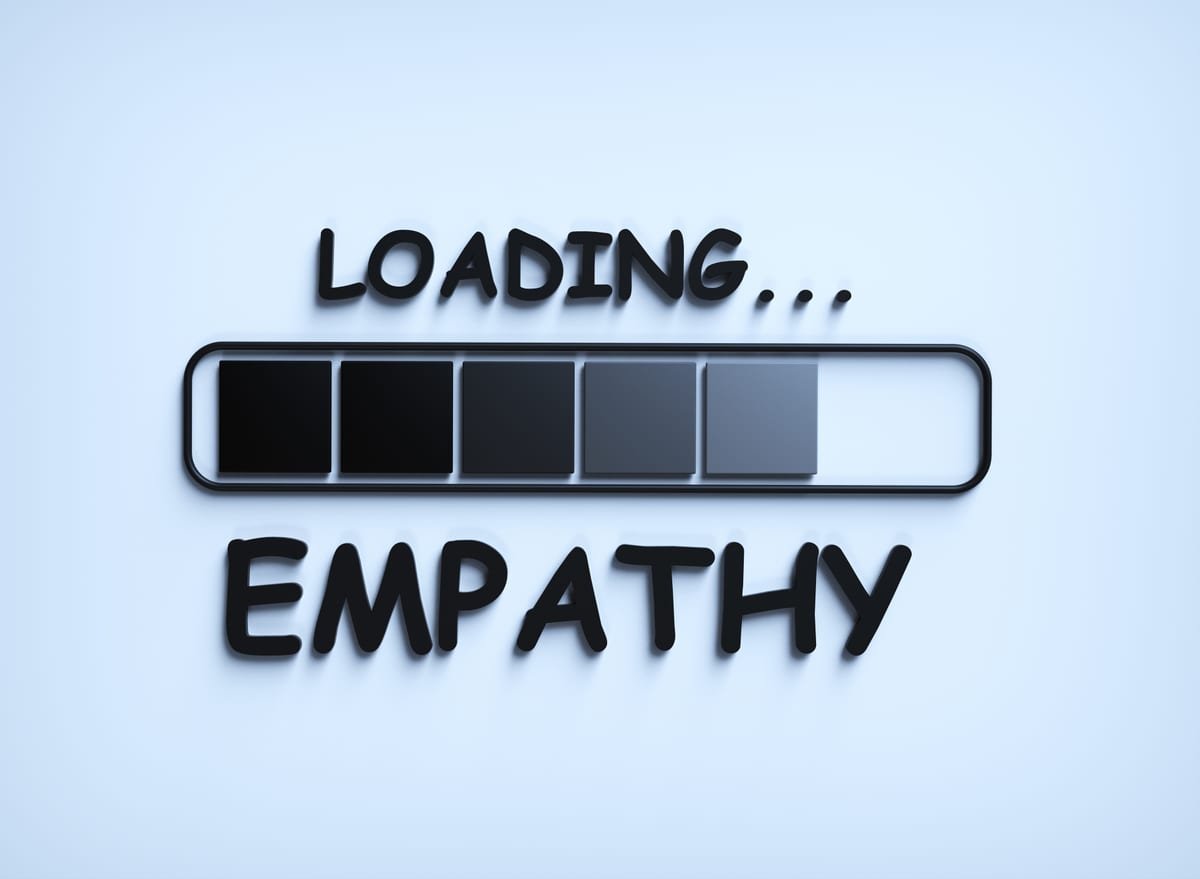
Master Your Emotions, Elevate Your Life
15 lessons · 6 hours · 0.6 ceus
Forge Lasting Harmony, Elevate Your Togetherness
15 lessons · 3 hours · 0.3 ceus
Empowering Families, Enriching Education: Transforming Special Needs Support Together
15 lessons · 7 hours · 0.7 ceus
Are you fascinated by the fast-paced, adrenaline-filled world of mixed martial arts and the Ultimate Fighting Championship (UFC)? Whether yo
15 lessons · 3 hours · 0.3 ceus
Unlock Your Potential with Celestial Insights
15 lessons · 4 hours · 0.4 ceus
Renew Your Connections, Transform Your Life
15 lessons · 7 hours · 0.7 ceus