
Communication & Interpersonal Skills
How to Speak BoxingMaster the Art of Boxing Language
15 lessons · 3 hours · 0.3 ceus
 Close
15 lessons · 3 hours · 0.3 ceus
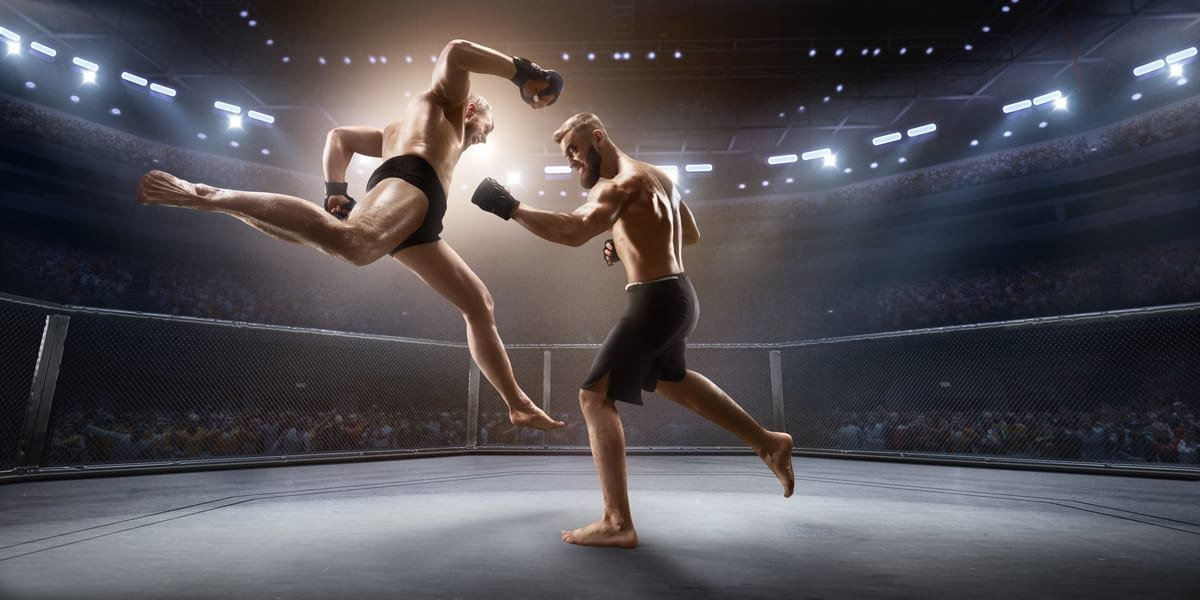
Let your curiosity lead.Are you fascinated by the fast-paced, adrenaline-filled world of mixed martial arts and the Ultimate Fighting Championship (UFC)? Whether you're a new fan eager to understand the intricacies of fight nights or a seasoned viewer looking to deepen your knowledge, 'How to Speak MMA: The Lingo, the Fighters, and the Action' is the course for you. This course breaks down the essentials of MMA and the UFC, providing you with the confidence and insight to discuss and appreciate every aspect of the sport, from the fighters to the fight card.
You'll dive into the fascinating history of MMA, tracing its evolution and understanding how the UFC has grown from its early days to its current global reach. Gain clarity on the often-confusing realm of weight classes, distinct roles, terminologies, and the techniques that define a fight. Mastery of these elements will allow you to engage in conversations and debates with knowledge and enthusiasm.
Beyond the basics, we'll explore the art of strategy in MMA--how fighters prepare their fight plans and adapt them inside the octagon. Learn how effective marketing campaigns and fighter personalities shape the UFC brand and contribute to its massive following. While understanding fighter walkouts might seem trivial, you'll discover their strategic and psychological importance both for fighters and fans.
This course will also take you behind the scenes to explore the critical roles that referees, judges, and coaches play in shaping every bout. By understanding these dynamics, you'll become adept at watching and analyzing fights with a keen, informed eye.
Join us to become fluent in the language of the UFC. With each lesson, you'll build on real-world insights and practical knowledge that will make your viewing and discussions of MMA even more rewarding. Welcome to a class where understanding each punch, tactic, and personality is not just informative but genuinely exciting.
15 lessons · 3 hours · 0.3 ceus
Understanding the Origins of Mixed Martial Arts
Endeavor's acquisition of the UFC marked a pivotal shift towards global expansion and multimedia engagement, maximizing the UFC's reach and market position. By leveraging strategic media deals and fostering fighter narratives, the UFC amplified its presence in the sports and entertainment industries.
Analyzing UFC statistics such as strikes landed per minute and takedown accuracy gives fans insights into fighters’ strengths and strategies, painting a detailed picture of their performance in the octagon. These metrics help viewers predict outcomes and appreciate the nuances of each athlete's tactics and adaptation.
UFC's inclusion of women fighters and the establishment of lighter divisions highlight the organization's commitment to diversity and inclusiveness in MMA. Esteemed athletes like Ronda Rousey have emerged, setting new standards for excellence and inspiring the next generation of fighters.
Punches like hooks and jabs are foundational in dictating a fight's control in MMA, where precision can open the door for winning combinations. Fighters capitalize on various striking angles, utilizing footwork and defensive tactics to maintain balance and adaptability in the octagon.
The fusion of wrestling and Brazilian Jiu-Jitsu has become vital in MMA, forming the core techniques seen in the UFC. This synergy allows fighters to dominate opponents through a blend of control and submissions, crucial for competitive success.
Wrestling sets the foundation for control in MMA, allowing fighters to dictate the fight's progression with takedowns and ground control. Complementing this, striking styles like boxing and Muay Thai add power and precision, enabling fighters to exploit weaknesses in their opponents.
High-pressure situations necessitate that refs have composure, decisiveness, and the ability to discern fighters' condition, as demonstrated in critical match examples. Effective refereeing requires recognizing when to step in during dangerous scenarios, preserving participants' safety and integrity.
Sponsorships with brands like Reebok and Monster Energy are integral to the UFC’s business model, aligning with the organization's core values to bolster its professional image. Sporting partnerships not only enhance brand visibility but also create tailored fan experiences that transcend typical advertising.
Each tier of a UFC event, from prelims to the main event, plays a unique role in captivating audiences and promoting fighters' careers. Matchmakers carefully select bouts to blend narrative intrigue and competitive balance, crucial for maintaining the sport's allure and commercial success.
The 10-Point Must System is pivotal in MMA, ensuring that rounds in the UFC are accurately scored by judges based on striking, grappling, aggression, and octagon control. Understanding this framework is critical for students to appreciate how fight outcomes are determined.
The depth of UFC fighter personas continues to evolve, spanning from the introspective resilience of Rose Namajunas to the cultural charisma of Israel Adesanya. These multifaceted identities challenge traditional fighter archetypes, emphasizing vulnerability alongside strength and offering audiences diverse heroes to connect with.
Initially stark and utilitarian, UFC walkouts have transformed into vibrant, strategic elements that reflect fighters’ identities and psychological tactics, aligning with the broader entertainment values in modern sports. These changes underscore the cultural and commercial strategy of the UFC in positioning itself as a global spectacle.
In MMA, corner teams play a vital role, not only offering tactical advice but also providing emotional and psychological support within UFC events. These teams, comprising experts like head coaches and cutmen, meld strategy and mental fortitude to influence match outcomes and bolster fighter performance.
UFC's trajectory from untamed spectacle to mainstream giant emphasized strategic expansions and talent cultivation across continents. Harnessing the cultural and athletic potential of regions like Brazil, Asia, and Africa, it forged alliances and built stars to inspire and grow new markets globally.
More ideas connected to your curiosity.
Master the Art of Boxing Language
15 lessons · 3 hours · 0.3 ceus
Unlock the Court's Lingo: Speak the Game with Confidence!
15 lessons · 6 hours · 0.6 ceus
Unlock the Language of Champions: Master Fantasy Football Today!
15 lessons · 4 hours · 0.4 ceus
Unravel the Game: Talk Football Like a Pro
15 lessons · 3 hours · 0.3 ceus
Unleash Your Inner Bracketologist!
15 lessons · 4 hours · 0.4 ceus
Are you ready to dive into the vibrant world of soccer and speak the language of the beautiful game? Whether you're an enthusiastic fan, an
15 lessons · 5 hours · 0.5 ceus
Master the Language of Speed and Strategy
15 lessons · 6 hours · 0.6 ceus
Are you eager to engage in the rich language and culture of American baseball but find yourself puzzled by its unique terminology and tradit
15 lessons · 4 hours · 0.4 ceus
Master the Language of the Rink
15 lessons · 6 hours · 0.6 ceus
Master the Lingo, Fuel the Passion
15 lessons · 5 hours · 0.5 ceus
Unleash Your Inner Hero: Master the Language of Legends
15 lessons · 4 hours · 0.4 ceus