
Art & Design
How to Speak AnimeUnlock Your Inner Otaku: Master the Language of Anime!
15 lessons · 5 hours · 0.5 ceus
 Close
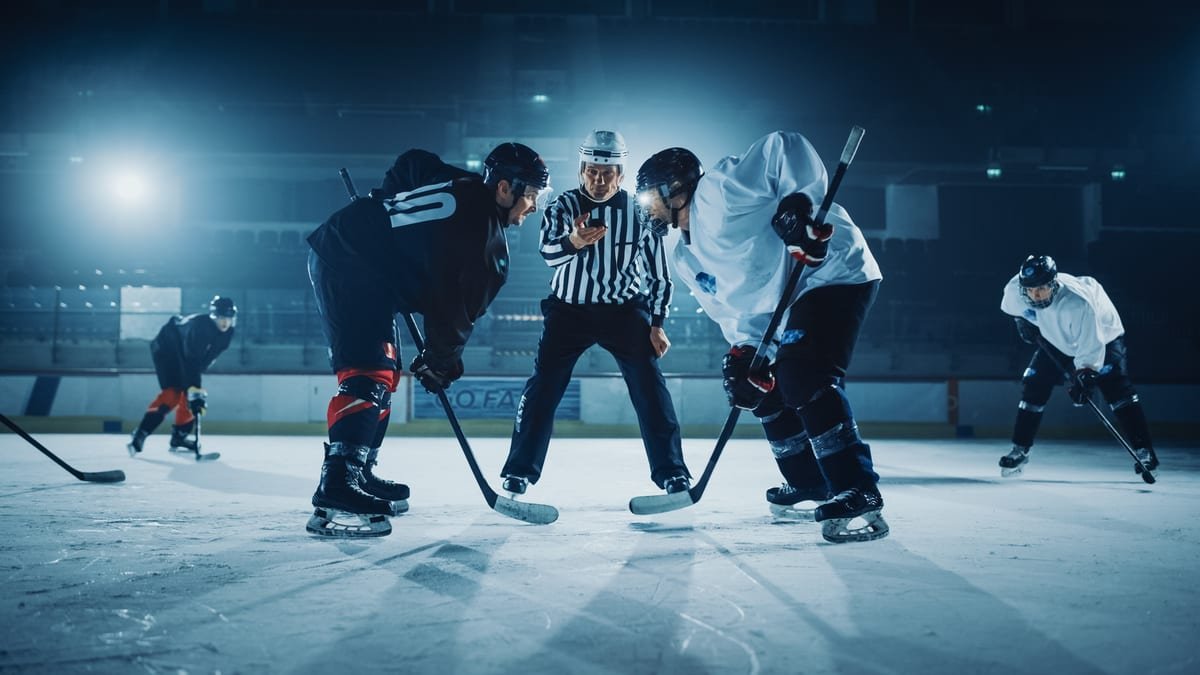
Master the Language of the Rink
15 lessons · 6 hours · 0.6 ceus
Let your curiosity lead.Are you an ice hockey enthusiast eager to dive deeper into the sport's rich culture and fast-paced gameplay? 'How to Speak Ice Hockey' is your gateway to understanding and speaking the language that brings this exhilarating sport to life. Imagine watching a game and fully engaging with the action on the ice, understanding the strategies, the jargon, and the exciting nuances that make ice hockey a thrilling spectacle. This course is designed to boost your enjoyment by unlocking the treasure trove of ice hockey lingo and concepts, enhancing both your knowledge and appreciation of the game.
Ice hockey isn't just about watching players chase a puck across the ice. It's about the intricate dance between the positions like forwards, defensemen, and goalies, and the strategic plays such as power plays and penalty kills. You'll gain insight into the art of the faceoff and master the terminology of on-ice communication, all of which are vital to understanding what makes each game unpredictable and exciting. Whether you're in the stands or watching from home, knowing the words and strategies can transform your experience from passive observation to active participation.
With an emphasis on practical terms and ideas, this course will make you feel at home whether discussing the game with fellow fans or analyzing it with expert commentators. Each module is designed to give you a hands-on understanding of what's happening on the ice, from the rink's lines and zones to the intricacies of player roles and tactics. Our unique feature on the evolution of ice hockey terms and their cultural significance will deepen your connection to the sport and its global community.
Whether you're a lifelong fan or new to the rink, this course offers something for everyone who wants to talk ice hockey confidently. Join us, and let's get started on unraveling the thrilling lexicon of the sport. Grab your stick, put on your skates, and prepare to speak ice hockey fluently. Welcome aboard!
15 lessons · 6 hours · 0.6 ceus
The rich terminology of ice hockey, including jargon like 'Hat Trick' and 'Deke,' enhances fan engagement and deepens strategic understanding. Adopting this language in game discussions allows for greater participation and appreciation of ice hockey's nuances.
Ice hockey requires understanding the distinct roles of forwards, defensemen, and goalies to appreciate the game's complexity. Each position plays a crucial part in offensive and defensive strategies, enhancing players' and fans' engagement with the sport.
A faceoff in hockey is not just a mere restart but a complex tactical battle that unfolds within specific zones, influencing the team's offensive and defensive plays. The faceoff specialist, a role typically filled by a center player, employs precise techniques and psychological insight to gain the upper hand in these pivotal moments.
Ice hockey equipment has progressed from basic gear, like wooden sticks and shoe-attached skates, to advanced materials like carbon fibers and high-impact plastics, prioritizing speed, safety, and agility. This evolution not only enhances athletic performance but also represents the sport's cultural legacy and strategic nuances.
From Canadian frozen ponds to high-tech arenas, the evolution of the ice hockey rink reflects the sport's transition into a structured and strategic spectacle. This journey has been marked by standardizing rink sizes, revolutionizing materials for safety, and incorporating technological advances that enhance both the gameplay and audience experience.
Centered around action and strategy, ice hockey demands knowledge of specialized terms and rules like the 'offside rule' and 'icing' to maintain order amidst the chaos. Players demonstrate remarkable endurance and tactical acumen, while fans grow more invested as they learn the complexities that define the game.
Penalties in ice hockey are not merely rule enforcements but crucial strategic elements that impact team performance and momentum. Understanding these dynamics fosters greater appreciation for the sport's tactical depth and the psychological resilience required from players.
In hockey, power plays use formations like the 1-3-1 to exploit a numerical advantage, requiring specific player roles and precise decision-making. Penalty kills reverse the scenario, using formations like the box to protect against scoring, emphasizing close-knit communication and adaptability on the ice.
The art of ice hockey rests on meticulously crafted strategies such as the Flying V and Neutral Zone Trap, where each play symbolizes the cerebral nature of this high-speed sport. Incorporating formations like the Umbrella during power plays showcases how calculated positioning and sharp decision-making amplify game impact, emphasizing tactical finesse and teamwork.
The evolution of goalie equipment highlights the necessary blend of protection and performance in ice hockey, as illustrated by advancements in masks and pads enhancing player safety and technique. Mastery in goaltending requires technical prowess and mental resilience, with terms like 'butterfly save' and 'poke check' capturing both the skillful execution and strategic sophistication behind each move.
Players and coaches in hockey use concise verbal commands to coordinate plays and decision-making, which improves overall team performance. Mastering this evolving language helps players execute strategies seamlessly during fast-paced and pressure-filled moments on the ice.
Defensemen hold the team’s fort, using tactical proficiency to block goals while occasionally turning tide with surprise offensive plays. Pioneers like Nicklas Lidström prove that strategic intelligence often triumphs over sheer physical force.
Ice hockey's terminology, such as 'puck' and 'hat trick,' bridges past and present, connecting fans through shared language and culture. By learning these expressions, enthusiasts gain deeper insight into the game's historical and strategic dimensions.
Learning ice hockey terminology transforms your understanding of the game, drawing you into its rich culture and energizing community. The unique language of hockey, once grasped, enhances your connection to fellow fans and the sport's dynamic history.
Social media platforms play a crucial role in modern ice hockey fandom, connecting enthusiasts and facilitating real-time engagement. Through digital communities, fans learn strategic terms and jargon, enriching their understanding and enjoyment of the sport.
More ideas connected to your curiosity.
Unlock Your Inner Otaku: Master the Language of Anime!
15 lessons · 5 hours · 0.5 ceus
Unlock the Mysteries of the Mind: Master Concussion Insights
10 lessons · 7 hours · 0.7 ceus
Master the Art of Boxing Language
15 lessons · 3 hours · 0.3 ceus

Zoom into the Fast Lane of Car Racing Language!
14 lessons · 6 hours · 0.6 ceus
Unleash Your Inner Star: Master the Language of Reality TV!
15 lessons · 6 hours · 0.6 ceus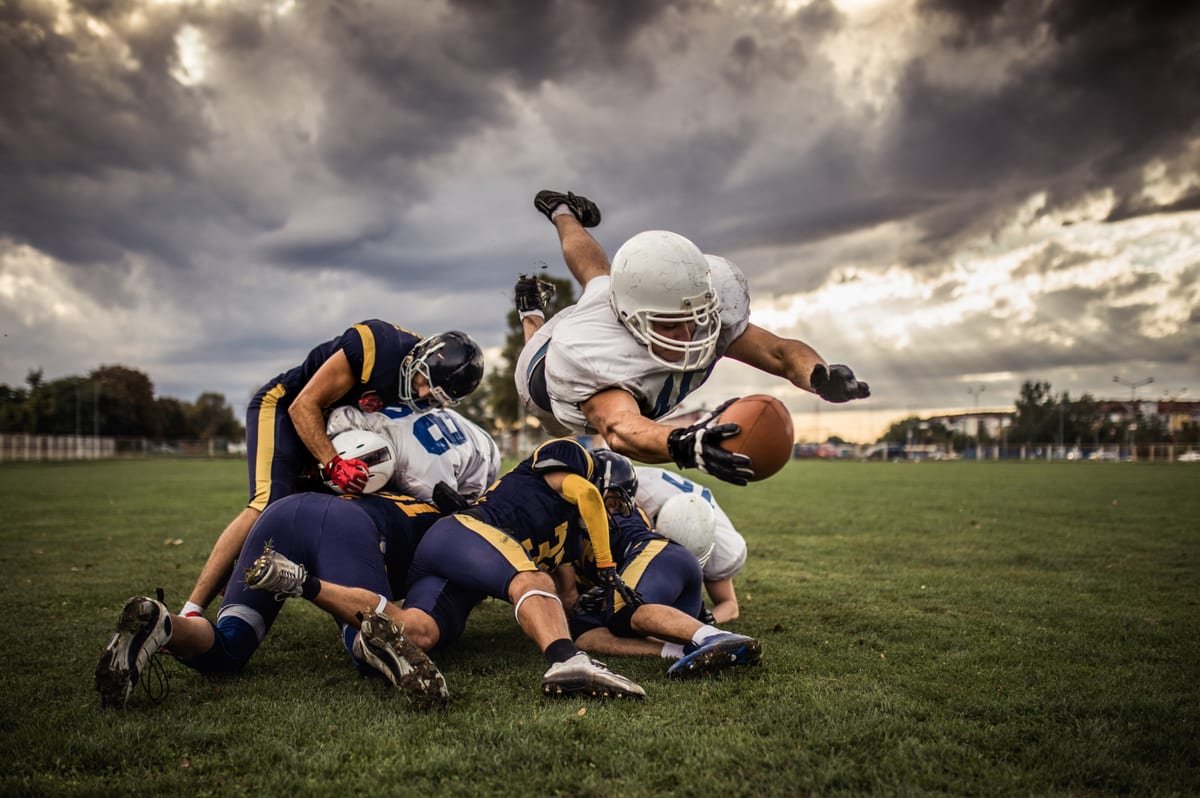
Unravel the Game: Talk Football Like a Pro
15 lessons · 3 hours · 0.3 ceus
Unlock the Language of Champions: Master Fantasy Football Today!
15 lessons · 4 hours · 0.4 ceus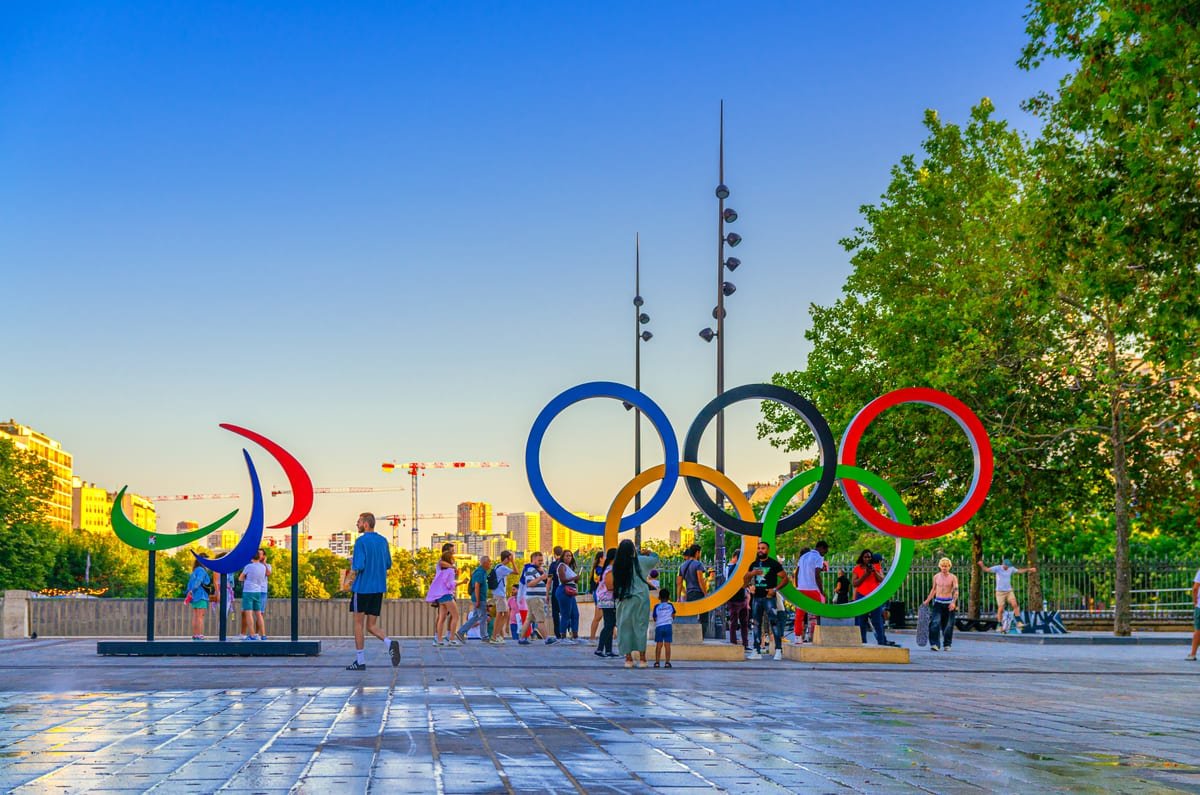
Master the Language of Champions!
15 lessons · 3 hours · 0.3 ceusMaster the Language of the Rink
15 lessons · 6 hours · 0.6 ceus
Are you fascinated by the fast-paced, adrenaline-filled world of mixed martial arts and the Ultimate Fighting Championship (UFC)? Whether yo
15 lessons · 3 hours · 0.3 ceus
Dribble into Dialogue, Master the Game!
15 lessons · 3 hours · 0.3 ceus