Spiritual Studies
How to Speak MMA: The Lingo, the Fighters, and the ActionAre you fascinated by the fast-paced, adrenaline-filled world of mixed martial arts and the Ultimate Fighting Championship (UFC)? Whether yo
15 lessons · 3 hours · 0.3 ceus
 Close
Master the Language of Champions!
15 lessons · 3 hours · 0.3 ceus
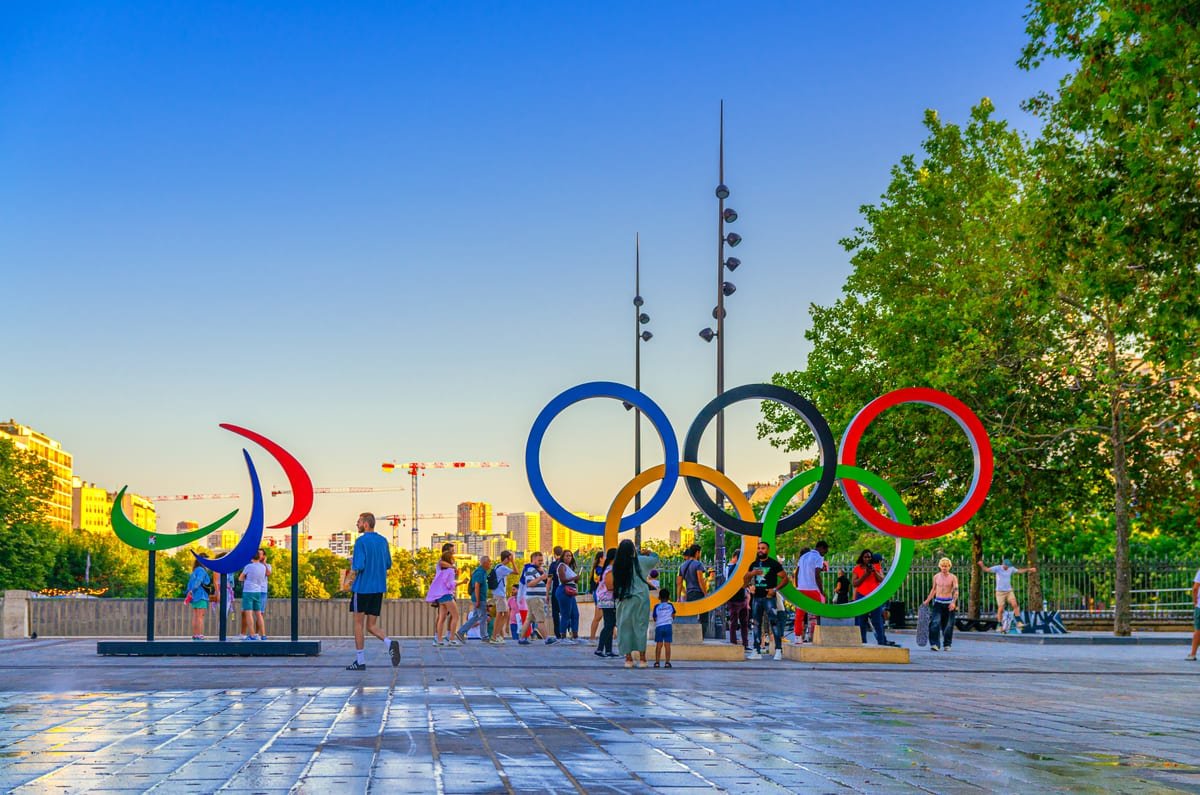
Let your curiosity lead.Welcome to 'How to Speak the Olympics,' a unique course that invites you to explore the rich, multifaceted world of the Olympic Games from cultural, historical, and linguistic perspectives. Whether you're a sports enthusiast keen on deepening your understanding of Olympic traditions or a storyteller eager to connect with a global audience, this course offers you the tools to engage meaningfully with one of the world's most captivating events.
Throughout the course, you'll uncover the origins and evolution of Olympic symbols and terms that transcend national and linguistic boundaries. By understanding these, you'll appreciate the shared cultural tapestry that binds global audiences, enhancing your perspective on international sports and media. You'll delve into the historical significance of Olympic symbols, understanding not only their aesthetic appeal but also the deep-rooted values they represent--freedom, unity, and spirit.
The course also introduces the profound cultural and political influences the Games have wielded since their inception in ancient Greece. You'll gain insights into how the Olympics have mirrored global societal shifts, from embodying divine favor in sacred truces to fostering international unity today. This understanding empowers you to discern the socio-political narratives inherent in modern Olympic events beyond their surface-level athletic competitions.
A distinctive feature of this course is its focus on the transformative power of Olympic storytelling. By exploring how remarkable athletic achievements and personal triumphs are woven into compelling narratives, you'll learn how to craft stories that resonate with diverse audiences across digital platforms. Emphasizing modern public speaking techniques, this course helps you convey the vibrant history and ongoing evolution of the Olympics in a manner that is both engaging and insightful.
Come, join us in this enriching exploration of the Olympics. With each lesson, you'll gain a deeper appreciation for the global dialogue these Games inspire, ready to engage thoughtfully with one of humanity's most unifying endeavors.
15 lessons · 3 hours · 0.3 ceus
Olympic and anime terminologies provide rich cultural perspectives, transcending borders to unite global audiences. Engaging with these terms enhances one's appreciation of sports traditions and Japanese media, fostering a greater understanding of international culture.
Ancient Greece's Olympic Games, held in Olympia, were not merely physical contests but spiritual gatherings that imprinted on Greek society's values of arete and kalokagathia. Through sacred truces and myth-imbued events, the Games fostered unity among fragmented city-states and highlighted the intertwining of athletic prowess with divine favor.
The Olympic Games have evolved significantly, reflecting societal changes, cultural inclusivity, and advancements in athletic performance since their inception in 1896. Originally centered around male-dominated, Western sports, the Games now highlight global diversity and equality, evidenced by significant female participation and the introduction of new, culturally-relevant events.
Historically anchored and linguistically rich, Olympic jargon has transformed with societal shifts, showcasing the cultural amalgamation the games inspire. From 'decathlon' to 'judo,' each term carries historical weight and reflects the global diversity embedded in modern athletic competitions.
Led by President Thomas Bach, the IOC's governance structure focuses on adapting to modern challenges through reforms and initiatives like Agenda 2020. Commissions within the IOC drive key operations, championing athlete welfare and promoting gender equality, supported by robust financial stewardship.
Originating in ancient Greece, the Olympics have transformed from events honoring Zeus to modern symbols of international coexistence and peace, with the sacred truce reflecting ancient diplomacy principles. Current emphasis includes adapting to societal changes such as inclusivity, fair competition, and sustainability, epitomized by the 2020 Tokyo Games’ response to the COVID-19 pandemic.
Ranging from showcasing host countries' cultural identities to symbolizing global aspirations, Olympic medals encapsulate artistic, political, and social expressions. Their evolving designs reflect local traditions, while also promoting sustainability and innovation in alignment with modern challenges.
The colors of the Olympic Rings—blue, yellow, black, green, and red—each carry meaningful symbolism, representing freedom, optimism, strength, vitality, and passion across various cultures, thereby embodying inclusivity at the Olympic Games. These colors are central to initiatives that aim to incorporate Olympic ideals into sports policies, fostering youth programs and cross-cultural exchanges in pursuit of shared values through sport.
In Olympic history, records transcend mere statistics, embodying cultural advancements and technological progress that redefine what athletes can achieve. These milestones illustrate the intertwined evolution of sports methodologies, inclusivity, and the indomitable spirit of human aspiration.
Initially featuring just a stadion race in 776 BC, the Olympics have expanded to a complex global event celebrating athletic prowess while adapting to societal progress and technological advancements. The modern Games reflect this evolution, integrating diverse sports like skateboarding and surfing, engaging younger audiences, and emphasizing gender equity.
Tracing the evolution of sportsmanship in the Olympics uncovers compelling instances of athletes prioritizing respect and empathy over competition. From ancient Greece to today, the Games illustrate humanity's potential for unity and peace, fostering cultural collaboration through shared ideals.
The Olympic Games symbolize global sportsmanship and feature ceremonies that highlight cultural exchange, unity, and artistic expression from ancient times to today. These ceremonies evolved from religious events honoring Zeus to modern celebrations of nations, themes, and technology, emphasizing peace and friendship.
The art of Olympic storytelling transforms athletic events into narratives rich with personal triumphs and cultural significance, captivating audiences across the globe. This requires adapting to the diverse tapestry of worldwide viewers and leveraging modern media to enhance engagement and relatability.
Statistics and analytics play a key role in shaping social media strategies, helping tailor content for specific demographic groups and optimizing engagement. Understanding user interactions provides insights to refine content and ensure meaningful engagement with Olympic stories.
As both a pedestal for athletic achievement and a stage for sociopolitical dialogue, the Olympics provide moments of cross-cultural exchange and inspiration, from Paralympic inclusivity to unified marches exemplifying diplomatic strides. Effectively preparing and presenting these themes involves a mastery of public speaking techniques and storytelling through multimedia, ensuring an engaging and impactful conveyance of the Olympic spirit to diverse audiences.
More ideas connected to your curiosity.
Are you fascinated by the fast-paced, adrenaline-filled world of mixed martial arts and the Ultimate Fighting Championship (UFC)? Whether yo
15 lessons · 3 hours · 0.3 ceus
Unravel the Game: Talk Football Like a Pro
15 lessons · 3 hours · 0.3 ceus
Master the Language of the Rink
15 lessons · 6 hours · 0.6 ceus
Are you ready to feel more at ease on the green and converse with fellow golfers confidently, even if you're just getting started? 'How to S
15 lessons · 7 hours · 0.7 ceus
Are you eager to engage in the rich language and culture of American baseball but find yourself puzzled by its unique terminology and tradit
15 lessons · 4 hours · 0.4 ceus
Unleash Your Inner Bracketologist!
15 lessons · 4 hours · 0.4 ceus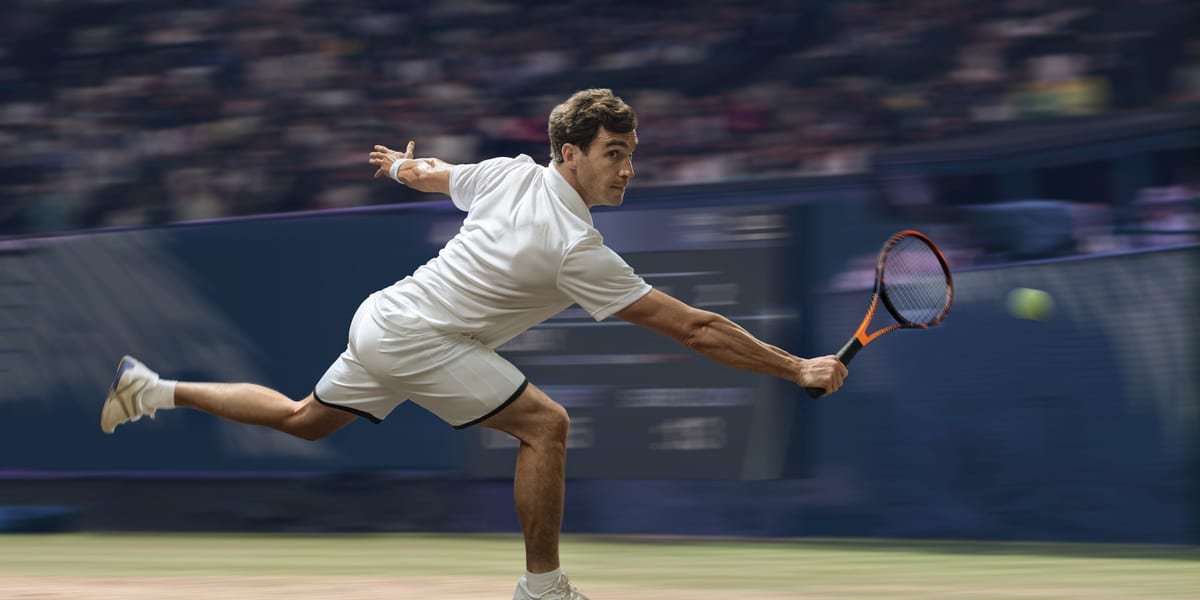
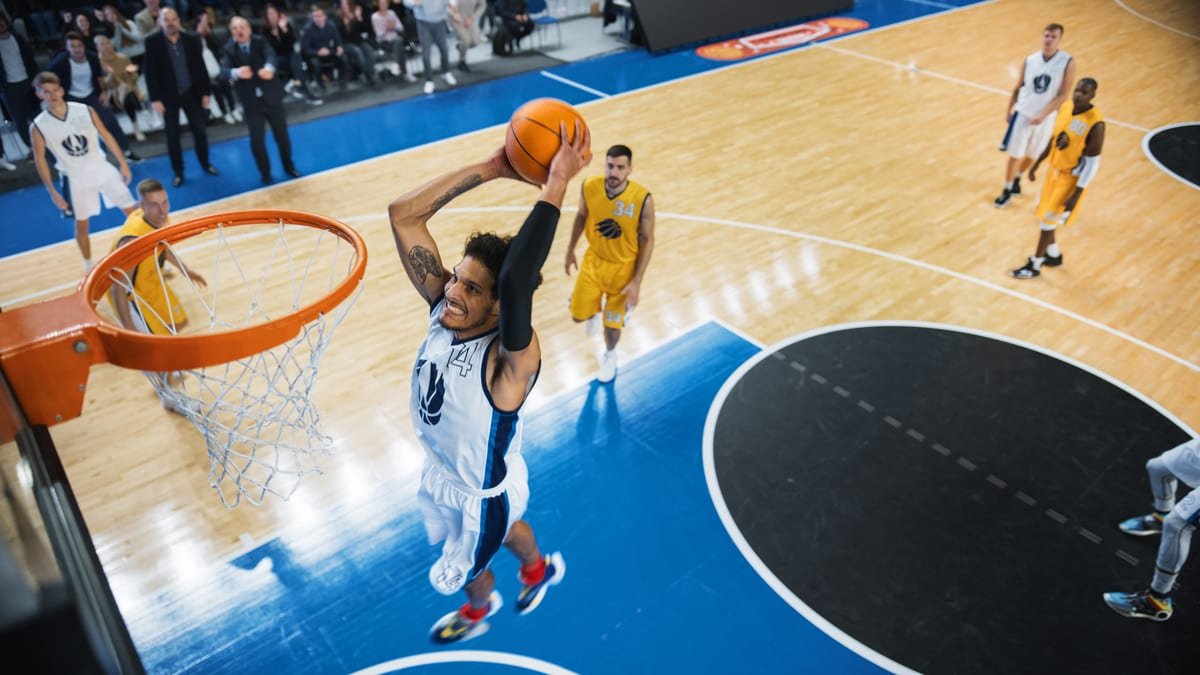
Unlock the Court's Lingo: Speak the Game with Confidence!
15 lessons · 6 hours · 0.6 ceus
Unlock the Language of Champions: Master Fantasy Football Today!
15 lessons · 4 hours · 0.4 ceus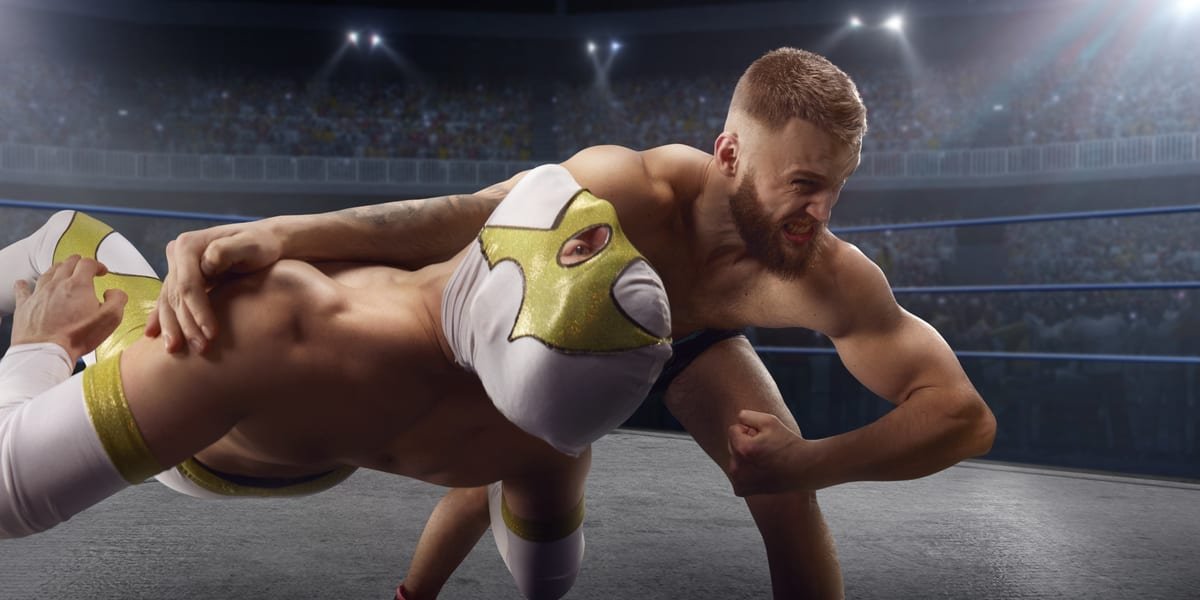
Master the Lingo, Step into the Ring!
15 lessons · 4 hours · 0.4 ceus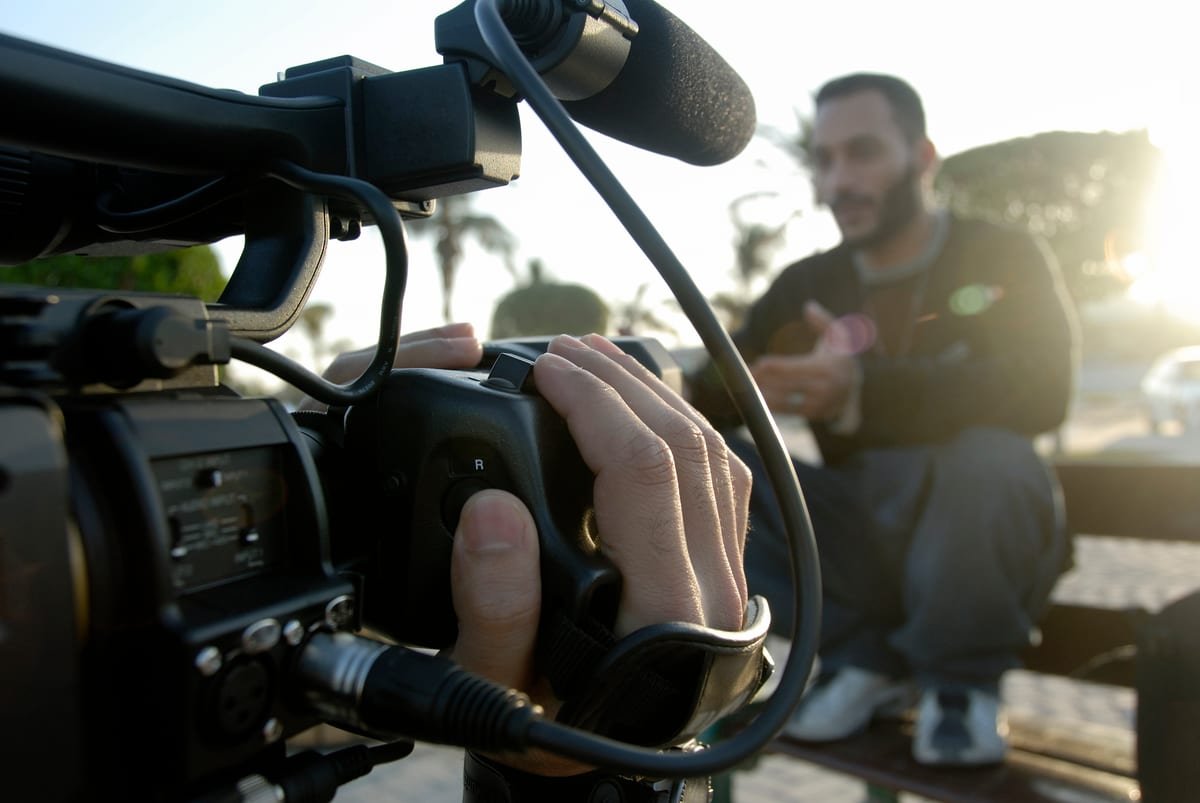
Unleash Your Inner Star: Master the Language of Reality TV!
15 lessons · 6 hours · 0.6 ceusMaster the Language of Champions!
15 lessons · 3 hours · 0.3 ceus