
Career & Professional Development
How to Speak Ice HockeyMaster the Language of the Rink
15 lessons · 6 hours · 0.6 ceus
 Close
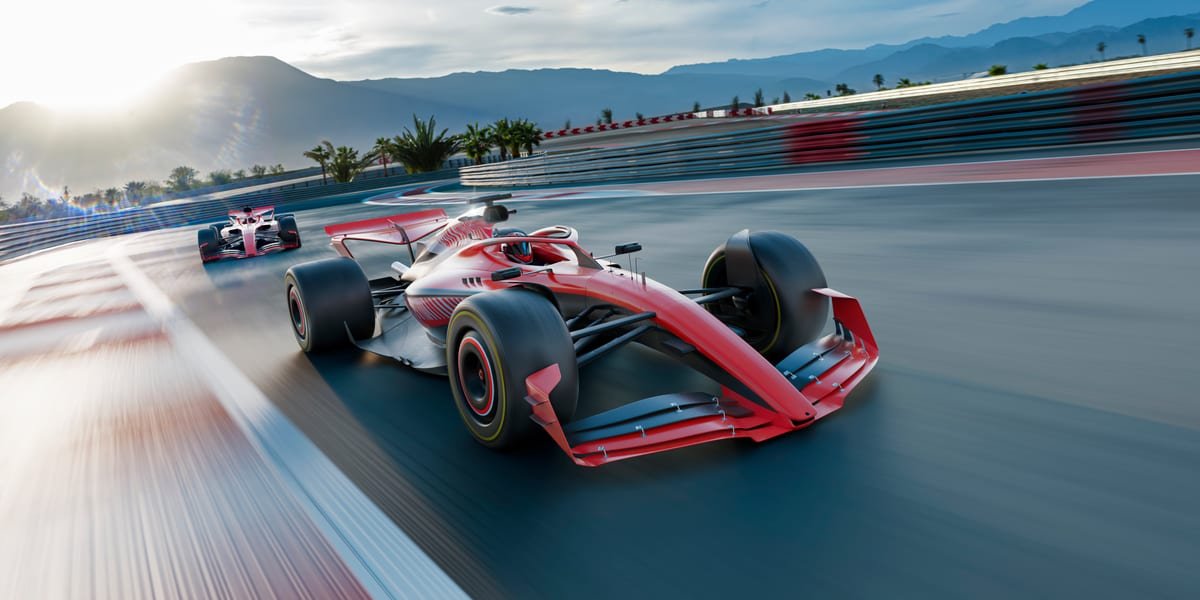
Master the Language of Speed and Strategy
15 lessons · 6 hours · 0.6 ceus
Let your curiosity lead.Are you thrilled by the roar of engines, the precision of pit stops, and the strategic brilliance that defines Open-Wheel Racing, like Formula 1? If you've ever found yourself watching a Grand Prix and wishing you could dive deeper into the intricacies of the sport, this course for you. We'll unravel the complex language of Formula 1, transforming the way you experience each race weekend.
Our course is designed to give you an insider's perspective into this high-octane world. You'll grasp the technical jargon, like the meaning behind various flags and regulations, that turns an ordinary viewer into someone who truly understands what's happening on track. Discover how teams operate with military precision, the innovation that drives F1 technology forward, and how weather conditions can change the fate of a race in a heartbeat. These insights will enrich your appreciation for each element of Formula 1, from start lights to checkered flags.
What sets this course apart is our focus on communication and strategy. You'll explore how drivers and teams communicate during races to make split-second decisions that can lead to victory or defeat. Additionally, understanding tire strategies and the crucial role of telemetry will provide a whole new level of insight when you next watch a race unfold. By comprehending how differing tire choices can flip the outcome of a race and how teams interpret vast amounts of data in real-time, you'll gain a newfound respect for the complexity of Formula 1.
Before long, you'll be able to discuss the economics that power the sport, recognize the significance of media relations, and appreciate the historical evolution of F1. 'How to Speak Formula 1' opens up the world of racing to enthusiasts and newcomers who want to connect more deeply with the excitement on the track. Ready to dive in and rev up your understanding? You don't need to be a car expert--just bring your passion for racing, and let's hit the ground running together!
15 lessons · 6 hours · 0.6 ceus
An F1 race weekend is a masterclass in strategic execution, starting from practice sessions, through qualifying rounds, to the Grand Prix spectacle. Understanding this intricate dance of preparation and tactics enhances appreciation for the artistry and skill that define high-level racing.
Through virtual pit walls and advanced simulation software, the integration of digital technology during Free Practice have revolutionized data analysis in Formula 1. Teams utilize these tools to implement detailed strategies, enhancing predictability within a highly dynamic sport.
Formula 1 began with tightly-knit teams focused solely on racing, yet has grown into a sport defined by strategic partnerships and technological mastery. Current team structures reveal an intricate blend of driver development, data science, and corporate collaboration, safeguarding continuous innovation and success.
Data analytics and telemetry have become pivotal in Formula 1, transforming strategic decision-making through real-time insights into car performance and race dynamics. Teams utilize predictive modeling and advanced sensory technology, such as 5G networks, to refine race strategies and optimize in-race decisions efficiently.
Technological innovations in the 2000s, like telemetry and hybrid power units, signaled a shift towards data-driven strategies and sustainability in Formula 1. These advancements highlight the sport's alignment with global trends, balancing traditional motorsport thrills with cutting-edge technology.
Key circuit design components include corner geometry such as hairpins, chicanes, and esses, which dictate racing line strategies and overtaking spots. Strategic deployment of DRS zones and management of elevation changes enhance overtaking opportunities and test drivers' adaptability.
The evolution of digital radio systems and telemetry data has transformed Formula 1 communications, providing clearer and more strategic exchanges between drivers and teams. These advancements enable the integration of real-time analytics into race strategies, enhancing tactical decision-making.
Aerodynamics play a pivotal role in Formula 1, transforming from the foundational work of the late 1970s with ground-effect innovations to modern comprehensive airflow management systems that maximize car downforce. This quest for excellence persists despite regulatory constraints, demonstrating the sport's relentless pursuit for performance optimization and its integral connection to competitive success.
Tires in Formula 1 are more than just rubber—they're a crucial part of the strategy, adapting to track conditions and weather to optimize performance. Understanding soft, medium, and hard tire characteristics enables teams to plan pit stops effectively and exploit opportunities like overcut and undercut tactics.
Adverse weather in Formula 1 can compel teams to rethink their race approach dramatically, considering how differing tire compounds perform under variable conditions such as rain or extreme heat. By grasping this strategic dance of adjustments, one can truly appreciate the intricacies and excitement of F1 racing.
Sponsorship in Formula 1 is the financial cornerstone that fuels technological innovation and sporting excellence, shaping every facet of team operations. These strategic partnerships offer immense global exposure, crucial for both team competitiveness and brand visibility.
Data security remains a top concern as F1 teams rigorously protect telemetry insights to prevent strategic advantages from falling into competitors' hands, driving advances in information security. Real-time monitoring of Key Performance Indicators (KPIs) like lap time and tire degradation informs race tactics and pit stop timing, as exemplified by decisions made during the 2023 Singapore Grand Prix.
Formula 1's Golden Era highlighted the convergence of innovation and rivalry, as aerodynamics and design redefined racing. Legendary drivers like Fangio and Brabham became household names, crafting a narrative of fearless pursuit amidst evolving technological landscapes.
The pit crew in Formula 1 is vital, acting as the perfect blend of precision and teamwork that can drastically alter race outcomes through efficient tire changes and real-time strategy analysis. Mastery of the pit stops requires unwavering collaboration, technological prowess, and an understanding of motor racing complexities, making it a pivotal study for any F1 enthusiast.
Effective media coverage is crucial for attracting sponsors, essential to F1's financial health. Thoroughly crafted narratives around teams and drivers can bolster sponsorship deals, whereas negative media can deter potential commercial partners, highlighting media's power in shaping F1's economics.
More ideas connected to your curiosity.
Master the Language of the Rink
15 lessons · 6 hours · 0.6 ceus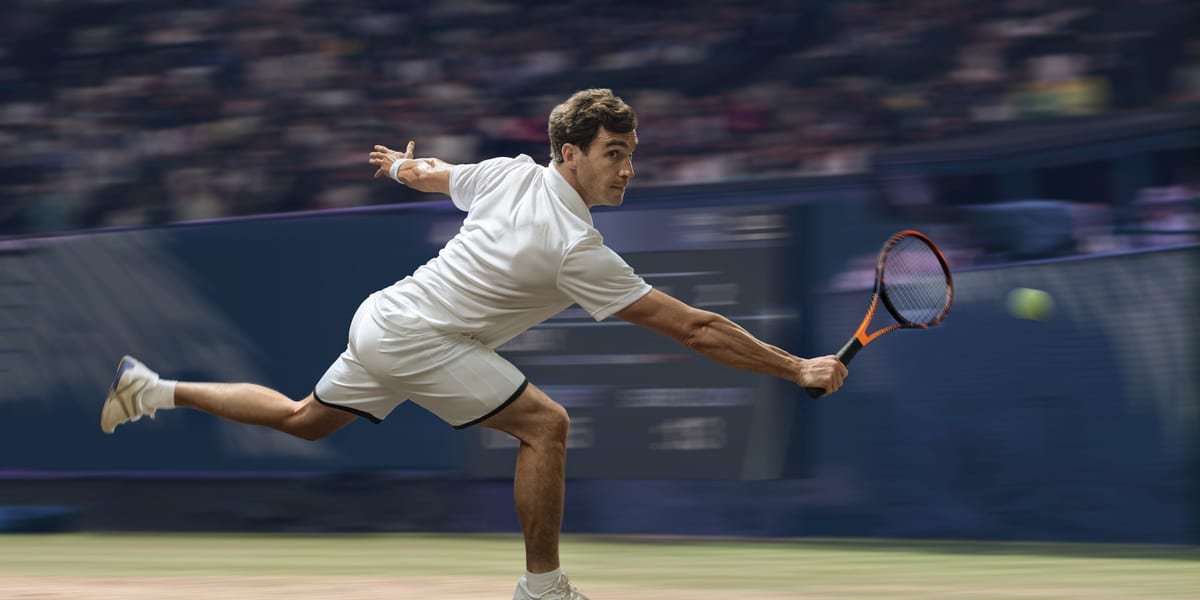
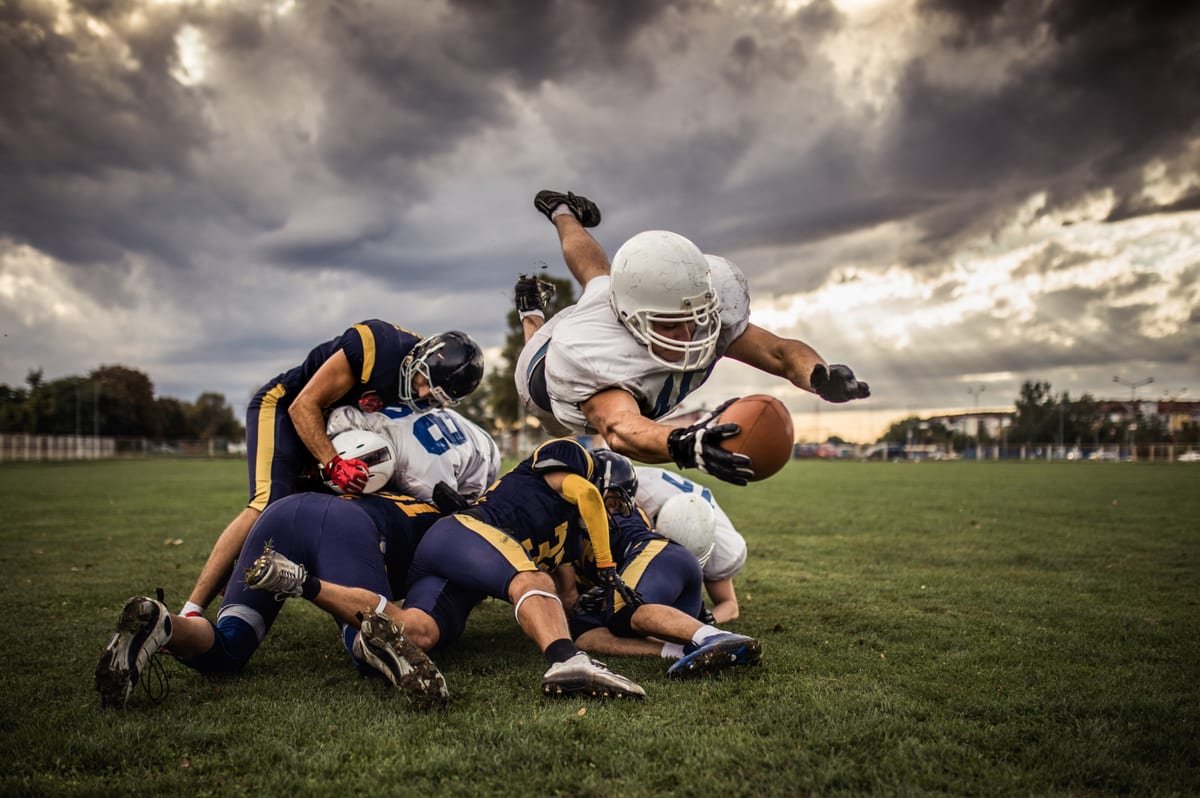
Unravel the Game: Talk Football Like a Pro
15 lessons · 3 hours · 0.3 ceus
Master the Lingo, Step into the Ring!
15 lessons · 4 hours · 0.4 ceus
Dribble into Dialogue, Master the Game!
15 lessons · 3 hours · 0.3 ceus
Unlock the Language of Champions: Master Fantasy Football Today!
15 lessons · 4 hours · 0.4 ceusMaster the Language of Speed and Strategy
15 lessons · 6 hours · 0.6 ceus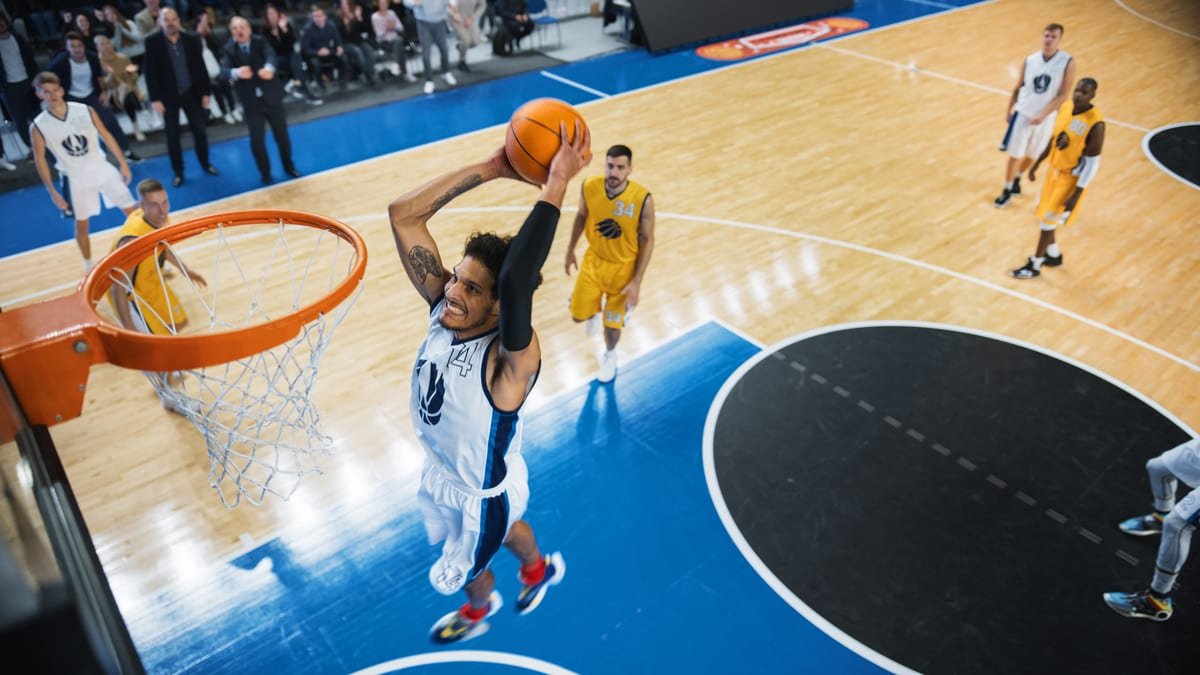
Unlock the Court's Lingo: Speak the Game with Confidence!
15 lessons · 6 hours · 0.6 ceus
Are you eager to engage in the rich language and culture of American baseball but find yourself puzzled by its unique terminology and tradit
15 lessons · 4 hours · 0.4 ceus
Master the Language of Champions!
15 lessons · 3 hours · 0.3 ceus
Master the Art of Boxing Language
15 lessons · 3 hours · 0.3 ceus
Zoom into the Fast Lane of Car Racing Language!
14 lessons · 6 hours · 0.6 ceus