
Communication & Interpersonal Skills
Effective Communication Skills for Everyday LifeMaster the Art of Connection in Every Conversation
15 lessons · 7 hours · 0.7 ceus
 Close
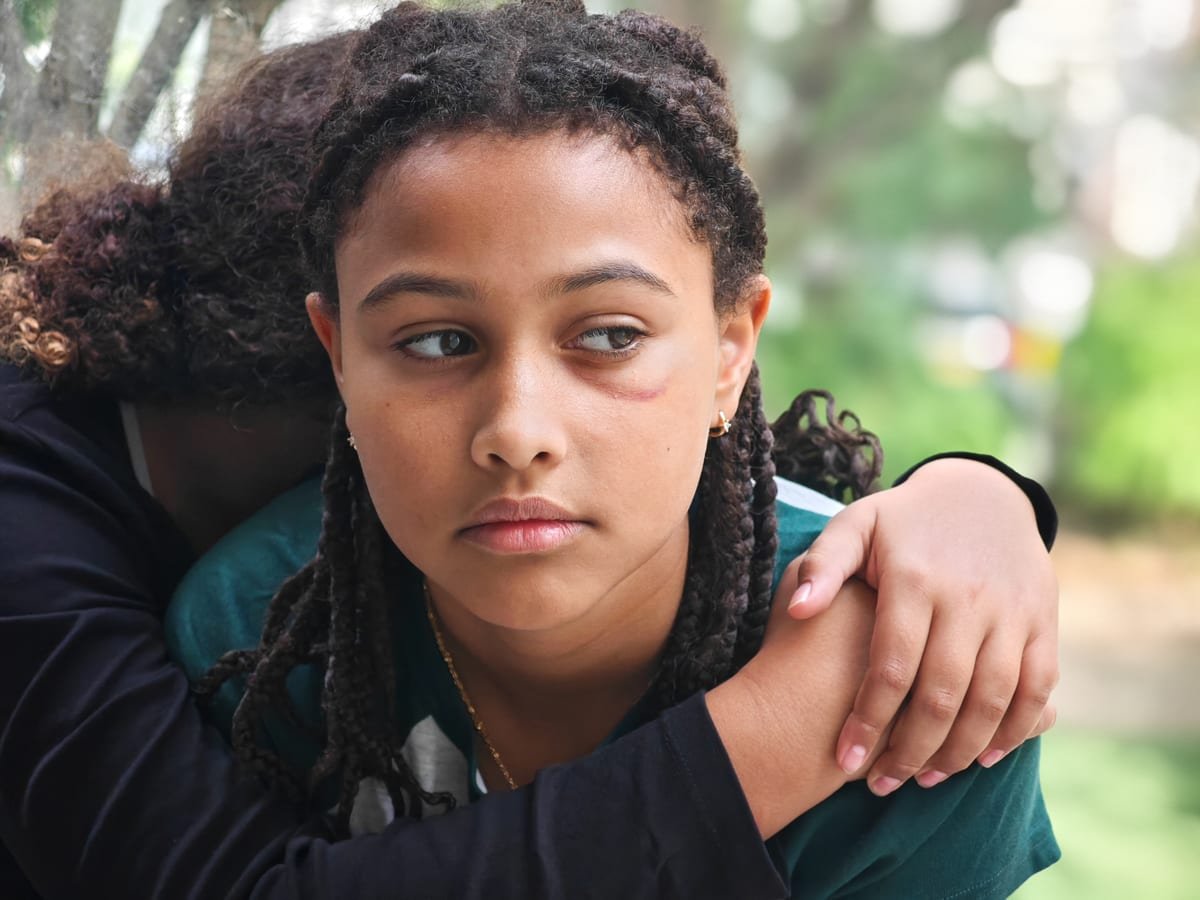
Empower Change: Heal the Past, Transform the Future
15 lessons · 5 hours · 0.5 ceus
Let your curiosity lead.Are you passionate about understanding the profound impact of childhood trauma and eager to make a difference in the lives of those affected? This course, 'Childhood Trauma: Long-term Effects and Interventions,' offers a deep dive into the nuanced world of childhood trauma, equipping you with the knowledge and skills to identify and address its long-lasting effects. By enrolling, you'll gain valuable insights into the intricate interplay between childhood experiences and development, unraveling the hidden ways trauma influences behavior and brain structure.
Throughout the course, you'll explore key concepts such as the types and causes of trauma, its impact on brain development, and the significant role of attachment. You'll learn about evidence-based interventions like Cognitive Behavioral Therapy and mindfulness that can help mitigate the adverse effects of trauma, promoting healing and resilience. The course emphasizes practical strategies for fostering secure attachments and nurturing supportive environments, which are essential for helping children overcome traumatic experiences.
This course stands out for its holistic approach, integrating cultural perspectives and acknowledging the unique experiences of children from diverse backgrounds. You'll understand how societal and cultural factors can influence trauma and recovery, equipping you with the cultural competence needed to offer effective, sensitive support. By exploring global perspectives and innovative recovery techniques, you'll be empowered to create tailored interventions that honor individual stories and community values.
As a participant, you'll leave with a comprehensive toolkit for intervention and support, whether you're a caregiver, educator, or mental health professional. Engage with this transformative subject matter in a way that is both accessible and enriching. Join us in shaping a future where every child has the opportunity to heal, grow, and thrive. Your curiosity and dedication can lead to meaningful changes, and we're here to support you every step of the way.
15 lessons · 5 hours · 0.5 ceus
Different forms of childhood trauma, such as emotional and sexual abuse, can manifest as behavioral or emotional changes in children, often going unnoticed due to subtle presentations. Early identification and informed interventions can help prevent the deep-seated psychological scars from shaping a child's future adversely.
Traumatic experiences during early development can lead to lasting alterations in brain structures such as the hippocampus, resulting in memory impairments and emotional dysregulation due to elevated cortisol levels. Interventions like cognitive-behavioral therapy and mindfulness can mitigate these effects, enhancing neural recovery and promoting adaptive functioning.
Attachment Theory sheds light on how early caregiver-child relationships shape neural and psychological development, with traumatic disruptions leading to disorders such as RAD and DSED. Interventions like Child-Parent Psychotherapy and fostering secure attachments in safe environments can help repair damaged bonds and promote healthier developmental trajectories.
Attachment Theory offers a framework for understanding the impact of caregiver-child bonds on development, particularly in traumatic contexts, shaping both immediate behaviors and long-term mental health. Interventions based on Attachment Theory can repair disordered relationships, guide caregivers in providing emotional support, and foster resilience and recovery from trauma.
Attachment theory, initiated by Bowlby and Ainsworth, reveals the profound impact of childhood caregiver bonds on emotional growth, with secure attachments linked to positive psychological outcomes. Therapeutic approaches that address attachment disruptions, informed by neuroscience, offer targeted relief and tools for emotional resilience.
The ongoing activity of the HPA axis in response to childhood trauma underscores the lasting effects of stress on physical health, including heart disease and metabolic dysregulation. Proactive measures, such as psychological therapies and lifestyle interventions, are pivotal in mitigating these risks by promoting adaptive stress responses.
Societal pressures in different cultures, such as academic achievement in Asia, can be sources of childhood trauma, complicating identification and intervention efforts. Tailored support systems that honor cultural values while addressing emotional needs are essential for effective healing processes.
Childhood trauma can profoundly alter a child's psychological development and extend its effects into adulthood, manifesting in cognitive, social, and emotional challenges. With early intervention and tailored support, resilience and recovery are achievable through therapeutic approaches and stable, nurturing environments.
Intergenerational trauma is a complex process where trauma passes through generations, affecting families and communities at a systemic level, but understanding its mechanisms, such as epigenetics, offers a pathway to breaking these cycles. Fostering resilience and healing necessitates interventions like trauma-informed education and cultural revitalization, ensuring future generations inherit a legacy of hope, not pain.
Traumatized children often face emotional challenges, such as anxiety or aggression, and struggle with social relationships due to their perception of the world as unsafe. By fostering emotional intelligence and empathy, nurturing caregivers and educators can provide a foundation of resilience and social connectedness, aiding children in overcoming trauma's effects.
Childhood trauma can profoundly alter cognitive and behavioral development, highlighting the need for Cognitive Behavioral Therapy (CBT). By addressing negative beliefs and reactions, CBT empowers children to regain control over their responses, enhancing psychological well-being and social functioning.
Emphasizing emotional intelligence and empathy in familial interactions fosters stronger bonds and mitigates conflicts, crucial for overcoming trauma-related challenges. These skills encourage open and supportive communication, enabling families to build secure, trusting relationships.
Trauma-informed education employs strategies that emphasize safety, trust, and emotional intelligence, empowering students to engage in their learning journey despite past adversities. Through collaboration with families and community resources, schools offer a comprehensive support network that fosters resilience and inclusivity.
Cultural competence and inclusivity are essential for community interventions designed to assist traumatized children, respecting diverse cultural backgrounds and ensuring holistic healing. By incorporating traditional practices and fostering bilingual and multicultural environments, interventions become more effective and resonate with the children's cultural experiences.
Culturally sensitive trauma interventions honor diverse traditions and practices, enhancing therapy effectiveness by respecting community values and leveraging natural support systems. Cross-cultural approaches ensure that healing is holistic and accessible, fostering resilient communities through inclusive therapeutic practices that acknowledge unique cultural narratives and expressions.
More ideas connected to your curiosity.
Master the Art of Connection in Every Conversation
15 lessons · 7 hours · 0.7 ceus
Empower Your Journey, Transform Your Future
15 lessons · 4 hours · 0.4 ceus
Master Your Money, Secure Your Future
15 lessons · 3 hours · 0.3 ceus
Transform Your Space, Simplify Your Life
15 lessons · 4 hours · 0.4 ceus
Savor Wellness: Fuel Your Life with Flavor!
15 lessons · 5 hours · 0.5 ceus
Foster Connections, Ignite Action!
15 lessons · 7 hours · 0.7 ceus
Sleep Better, Live Better: Unlock the Power of Rest
15 lessons · 7 hours · 0.7 ceus
Empower Your Home, Master the Basics
15 lessons · 4 hours · 0.4 ceus
Navigate Your Path, Empower Your Future
15 lessons · 3 hours · 0.3 ceus
Empower Your Relationships, Define Your Space
15 lessons · 3 hours · 0.3 ceus
Cultivate Well-being, Empower Success
15 lessons · 7 hours · 0.7 ceus
Transform Your Life, One Habit at a Time
15 lessons · 7 hours · 0.7 ceus