
Spiritual Studies
Understanding Nutrition Labels and Food ChoicesDecode Your Diet: Empowering Smarter Food Choices
15 lessons · 5 hours · 0.5 ceus
 Close
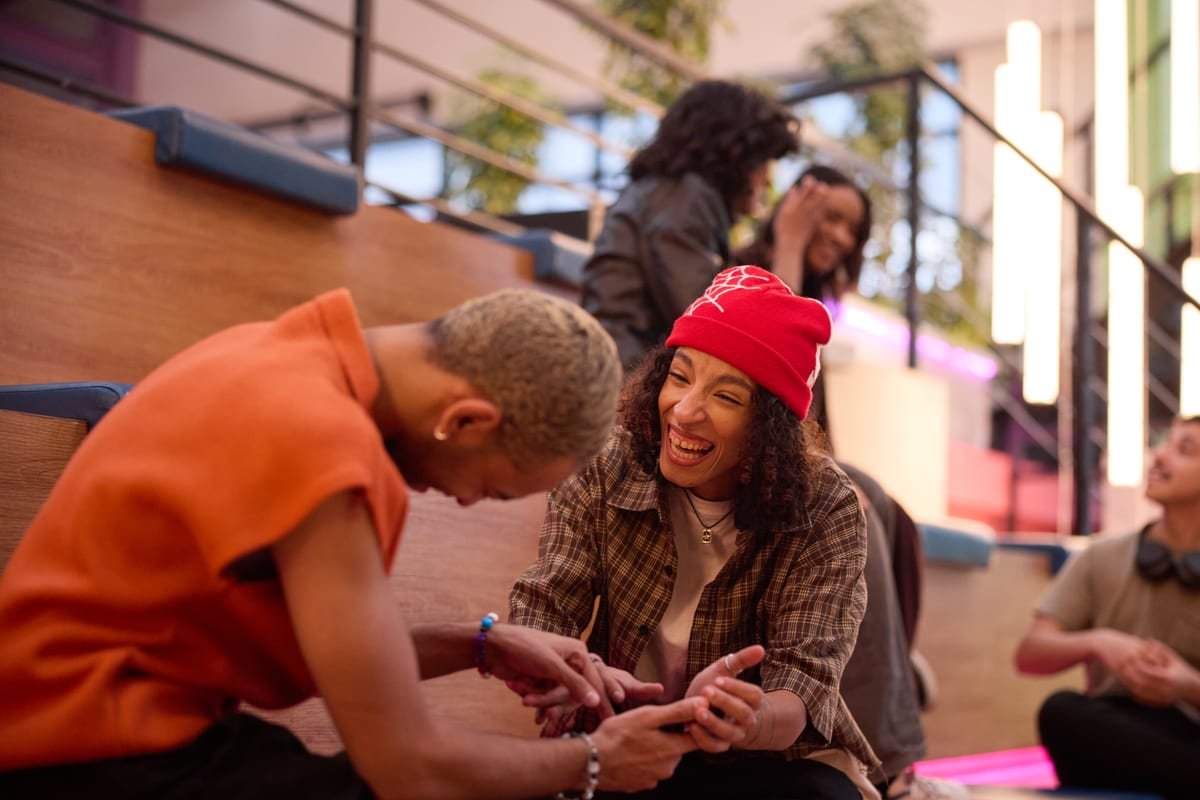
Master the Art of Connection in Every Conversation
15 lessons · 7 hours · 0.7 ceus
Let your curiosity lead.Effective Communication Skills for Everyday Life is designed to transform your daily interactions into meaningful connections. Whether you're aiming to convey your thoughts clearly or navigate complex dialogues, this course equips you with the tools to enhance both verbal and nonverbal communication. Learn how to decipher body language, master active listening, and engage empathetically, fostering richer relationships at work and home. By understanding cultural nuances and managing emotional responses, you'll craft more inclusive dialogues and resonate with diverse audiences.
The distinctive feature of this course is its focus on practical application: from spotting nonverbal cues in professional meetings to asserting your boundaries with confidence. As you hone these skills, expect to see improvements in your personal and professional relationships, your ability to resolve conflicts, and your overall influence. Join us to start making your conversations more impactful and inclusive today!
15 lessons · 7 hours · 0.7 ceus
Verbal communication relies on clear language to prevent misunderstandings, while nonverbal signals, like gestures and tone, powerfully express emotions. Cultural context adds complexity, as gestures and eye contact are interpreted differently worldwide, demanding cultural sensitivity.
By mastering active listening, individuals not only communicate effectively but also overcome barriers like distractions and biases, cultivating mutual respect and enriched relationships. This powerful skill transforms mundane exchanges into meaningful dialogues, enabling emotional support and fostering inclusivity through true understanding.
Interpreting body language is key to successful communication as it conveys more than spoken words, encompassing gestures, facial expressions, and eye movements. These non-verbal cues bridges understanding gaps, helping individuals navigate social and professional interactions effectively.
Effective communication involves understanding emotional cues in verbal and non-verbal interactions, which enrich relationships with empathy and awareness. Developing these skills allows for navigating social dynamics, enhancing interpersonal bonds, and fostering inclusivity.
Understanding assertiveness means mastering the balance between passive and aggressive communication, allowing individuals to express their thoughts and boundaries with confidence and respect. This skill enhances self-esteem and effectiveness in interactions, benefiting both personal and professional relationships.
Effective communication hinges on the ability to listen actively, allowing for a deeper understanding beyond mere words by embracing empathy and openness. Encouraging dialogue through affirmations and paraphrasing aids in mutual understanding and diminishes barriers.
Mastering nonverbal communication in relationships enhances interpersonal skills by understanding cues like facial expressions and posture, which can influence personal and professional interactions. Developing this proficiency helps prevent misunderstandings and supports more profound connections in various social contexts.
Mastering everyday communication requires understanding audience engagement techniques, allowing for profound connections through meaningful and impactful interactions. Tailoring language style and content to the audience's socio-cultural background and interests is crucial for creating resonant and emotional connections.
Cultural and psychological factors significantly impact communication, where understanding cultural norms and managing emotional responses can prevent misunderstandings. This awareness promotes inclusive dialogue, allowing diverse perspectives to thrive and ensuring messages are conveyed and understood accurately.
Effective communication relies on the dual analysis of demographics and psychographics to craft messages that resonate with varied audiences. This strategy empowers communicators to provide impactful, personalized interactions, whether engaging with teenagers, tech-savvy adults, or environmentally conscious consumers.
Effective persuasion is rooted in trustworthiness and ethical communication, underscoring the importance of credibility and cross-cultural sensitivity. By aligning actions with words and demonstrating authenticity, one can cultivate persuasive narratives that resonate universally.
Active listening, a key component of effective communication, involves engaging with the speaker and providing feedback to ensure understanding. It is vital for uncovering insights, addressing unspoken challenges, and fostering a collaborative atmosphere.
Communication styles, influenced by culture and personality, significantly affect conflict dynamics, while unspoken expectations further complicate interactions. By cultivating awareness of these factors and employing strategies like active listening, individuals can transform conflict into a source of innovation and deeper connection.
Understanding the power of narratives improves everyday interactions, employing relatability and emotional resonance for deeper audience connections. Effective storytelling in personal and professional contexts transcends simple fact-sharing, offering memorable and impactful communication.
Elevating communication through emotional intelligence involves self-awareness, self-regulation, motivation, and empathy, which foster authentic exchanges and deeper connections. Integrating these elements enhances responsiveness, ensuring interactions are constructive and meaningful.
More ideas connected to your curiosity.
Decode Your Diet: Empowering Smarter Food Choices
15 lessons · 5 hours · 0.5 ceus
Ignite Your Business Potential with Innovative Growth Strategies
15 lessons · 3 hours · 0.3 ceus
Unlock the Secrets to Lasting Connection
15 lessons · 4 hours · 0.4 ceus
Forge Lasting Bonds, Empower Your Circle
15 lessons · 6 hours · 0.6 ceus
Transform Learning Through Tailored Assessments
15 lessons · 3 hours · 0.3 ceus
Code Smarter, Innovate Faster: Empower Your Future Today
15 lessons · 5 hours · 0.5 ceus
Elevate Every Interaction: Master the Art of Office Customer Service
15 lessons · 6 hours · 0.6 ceus
Empowering Success: Strategies for Navigating the Asperger Experience
15 lessons · 4 hours · 0.4 ceus
Empower Your Path, Elevate Your Future
15 lessons · 4 hours · 0.4 ceus
Harness Inner Strength, Master Stress and Thrive
15 lessons · 5 hours · 0.5 ceus
Zoom into the Fast Lane of Car Racing Language!
14 lessons · 6 hours · 0.6 ceus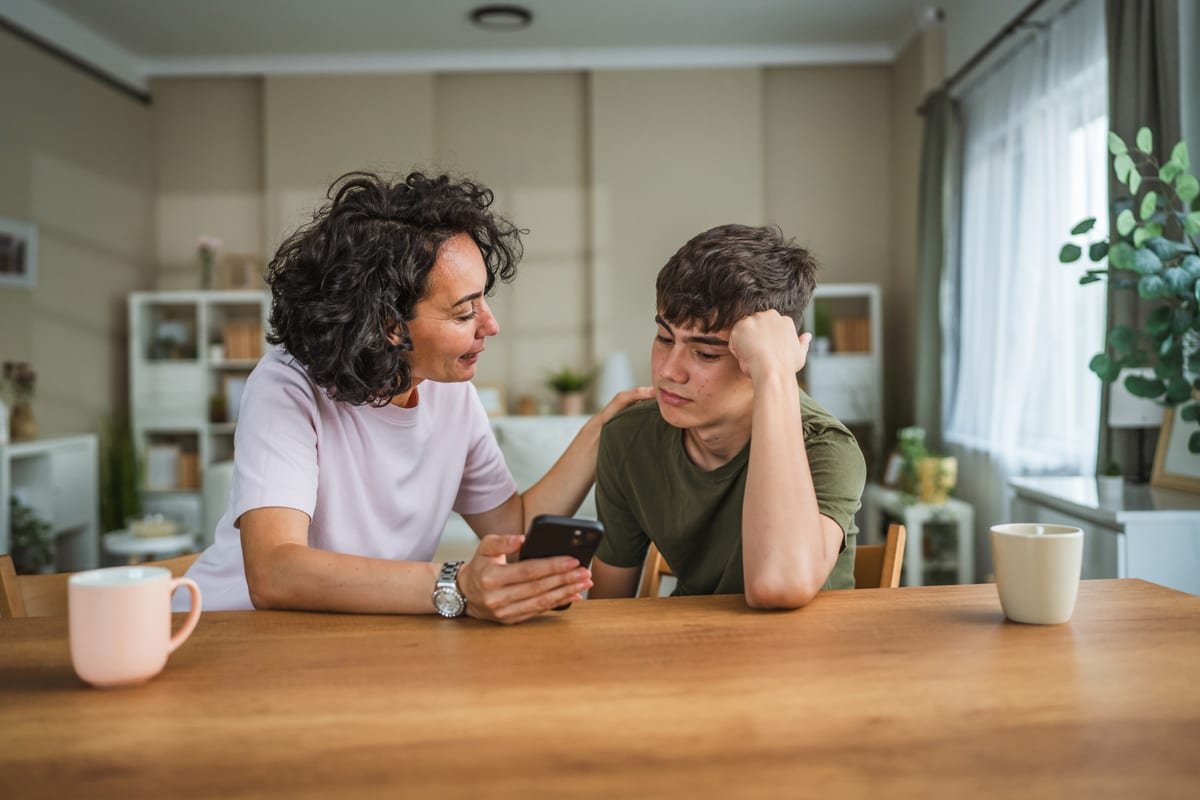
Empower Your Parenting Journey in Today's Tech-Driven World
15 lessons · 6 hours · 0.6 ceus