Career & Professional Development
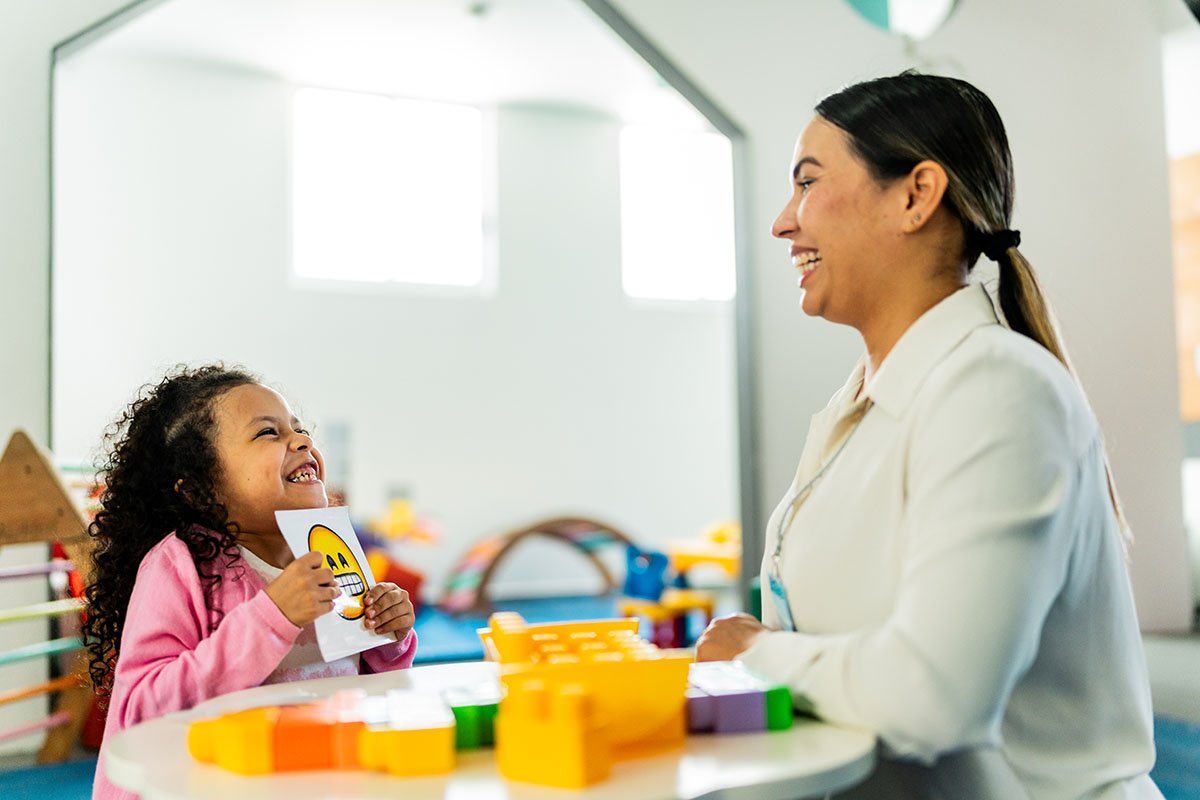
Addressing Trauma in Students with DisabilitiesEmpower Resilience, Transform Futures
15 lessons · 3 hours · 0.3 ceus
 Close
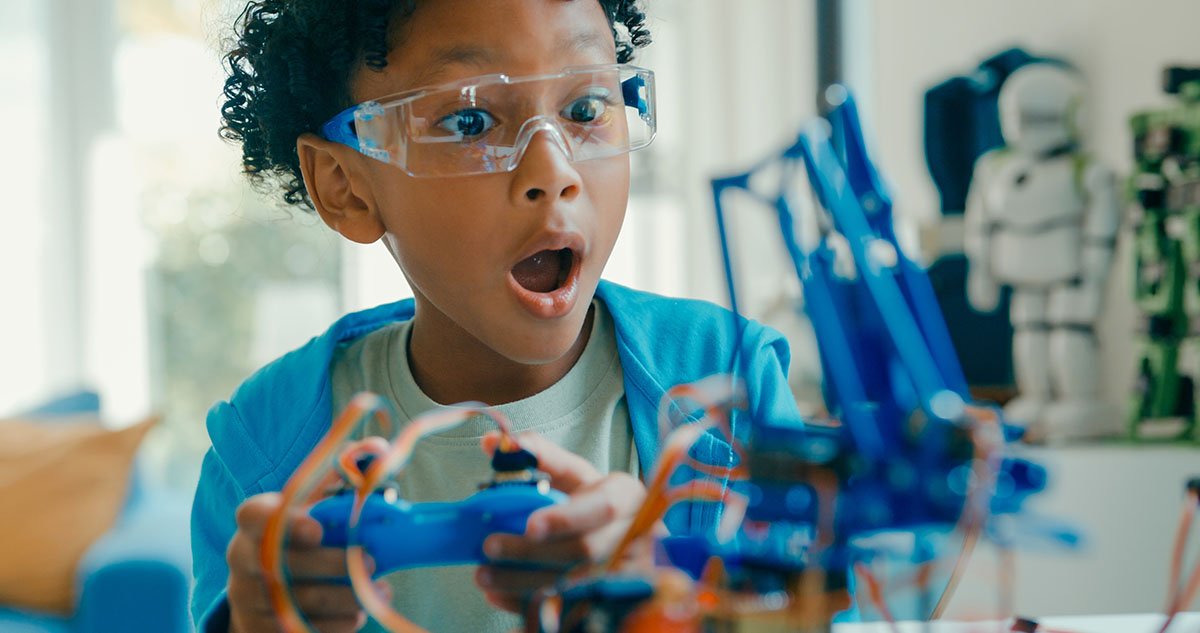
Empowering Success: Strategies for Navigating the Asperger Experience
15 lessons · 4 hours · 0.4 ceus
Let your curiosity lead.Are you an educator, specialist, or caregiver eager to make a meaningful difference in the lives of students with Asperger Syndrome? Our course, Behavioral Interventions for Students with Asperger Syndrome, equips you with the skills and insights to foster a supportive and engaging learning environment. This course delves into practical techniques that promote both academic success and personal development, addressing the unique needs of these students.
Throughout this course, you'll gain a deeper understanding of how to utilize technology, peer collaboration, and differentiated instruction to create inclusive, engaging, and supportive classroom settings. Learn how to harness the power of assistive technologies and sensory-friendly strategies to improve students' communication, stress management, and academic performance. We'll guide you through techniques like video modeling and the use of augmented reality to enrich nonverbal communication skills. You'll also explore how structured routines and empathy-driven peer support can reduce anxiety and nurture confidence in students with Asperger's.
One of the distinctive features of our program is its hands-on approach to understanding the complexity of nonverbal communication. Through interactive exercises and technologies, you will be able to guide students in decoding the subtleties of body language, facial expressions, and tone of voice. This comprehensive understanding significantly enhances their social adaptability and emotional intelligence, vital skills for personal and school success.
Whether you're striving to bridge communication gaps or eager to promote resilience and independence through tailored interventions, this course offers practical solutions that are readily applicable. Your role as an instructor, ally, or parent will be transformed as you learn to better support students in overcoming the challenges of Asperger's Syndrome. Welcome to a community of like-minded individuals dedicated to making a positive impact. Join us today with the confidence that you'll be enriching not only your students' learning experiences but your own professional growth as well.
15 lessons · 4 hours · 0.4 ceus
Utilizing technology and peer collaboration in classrooms supports diverse communication styles among students with Asperger’s Syndrome. These strategies bolster social integration and enhance learning through interactive, tailored tools.
Clarity in nonverbal communication greatly influences the social adaptability of students with Asperger's Syndrome, focusing on elements like facial expressions and tone of voice. Through techniques such as video modeling and interactive exercises, educators can cultivate effective communication skills, enriching students' personal and academic lives.
Creating an inclusive classroom environment is pivotal for students with Asperger's, leveraging their unique interests and maintaining predictable routines to boost comfort and focus. Empathy-driven peer support, structured social skills training, and a sensory-aware setting empower these students to engage confidently with their educational and social environments.
Incorporating technology into lessons offers students interactive avenues to explore nonverbal communication. Augmented reality apps and wearable tech can provide real-time feedback, making the learning process engaging and effective.
Flexible seating options in classrooms empower students with Asperger's Syndrome to find comfortable learning positions, enhancing engagement and minimizing discomfort. This approach not only addresses sensory needs but also promotes collaboration and empathy among peers.
Students with Asperger's often face anxiety due to factors like social uncertainties and sensory overload. Implementing strategies such as maintaining behavior logs and enhancing self-advocacy helps in recognizing anxiety patterns and creating conducive learning environments.
Understanding the neurological basis of Asperger's Syndrome highlights the importance of tailored interventions to support students' emotional regulation and learning experiences. Differences in brain structures, such as the amygdala and prefrontal cortex, explain challenges in emotional processing, emphasizing a need for strategies that cater to these unique needs.
Behavioral challenges, often due to sensory sensitivities in students with Asperger's, can be mediated by sensory-friendly strategies such as quieter classrooms and structured routines. Preparing students for changes using visual schedules helps reduce anxiety and fosters a more focused learning environment.
Understanding the nuanced world of nonverbal signals, such as tone, gestures, and personal space, provides students with Asperger's a valuable toolkit for more effective peer interactions. By integrating visual aids, social stories, and peer mentorship, educators can create immersive learning experiences that foster emotional intelligence and empathy.
Assistive technologies are transforming special education by supporting students with Asperger's Syndrome in improving communication, stress management, and academics. Through devices like speech-generating apps and digital planners, students can articulate thoughts, manage tasks, and build social skills confidently.
Parents and teachers must engage in open dialogue to seamlessly integrate home-based insights and school strategies, creating a stable learning environment for students with Asperger's Syndrome. Tools like digital platforms and scheduled meetings facilitate continuous communication, supporting both structured feedback and real-time updates to promote effective interventions.
Repetitive behaviors and inflexible routines typify Asperger’s, necessitating gradual exposure to change via supportive tools like visual schedules. Successfully navigating these challenges aids students in developing resilience and independence for real-world scenarios.
A focus on tailored, strength-based interventions is promoted in this lesson, which recognizes the importance of understanding Asperger's Syndrome's impact on social communication and routine dependency. By embedding diverse experiential learning opportunities, such as role-playing and peer-mediated activities, students gain confidence and adaptability, fostering resilience and independence.
Personalized learning and collaborative community efforts can help empower students with Asperger's, equipping them with necessary social skills and confidence. Leveraging technology offers innovative solutions for practicing real-life interactions and cultivating a sense of belonging.
Communication differences in students with Asperger's highlight the need for adaptable teaching methods. Utilizing clear language and visual aids bridges communication gaps, improving students' understanding and interaction.
More ideas connected to your curiosity.
Empower Resilience, Transform Futures
15 lessons · 3 hours · 0.3 ceus
Empower Voices, Transform Futures: Master Self-Advocacy Today
15 lessons · 4 hours · 0.4 ceus
Unlock Potential: Empowering Every Learner's Voice
15 lessons · 5 hours · 0.5 ceus
Empower Every Mind: Innovate Learning, Unlock Potential
15 lessons · 3 hours · 0.3 ceus
Empower Every Sense, Enrich Every Mind
15 lessons · 7 hours · 0.7 ceus
Empowering Minds with Tailored Cognitive Tools
15 lessons · 7 hours · 0.7 ceus
Unlock Potential: Transformative Techniques for Teaching Diverse Learners
15 lessons · 7 hours · 0.7 ceus
Empower Success: Master Self-Regulation Today!
15 lessons · 3 hours · 0.3 ceus
Empowering Abilities: Nurturing Executive Function in Every Learner
15 lessons · 3 hours · 0.3 ceus