Psychology
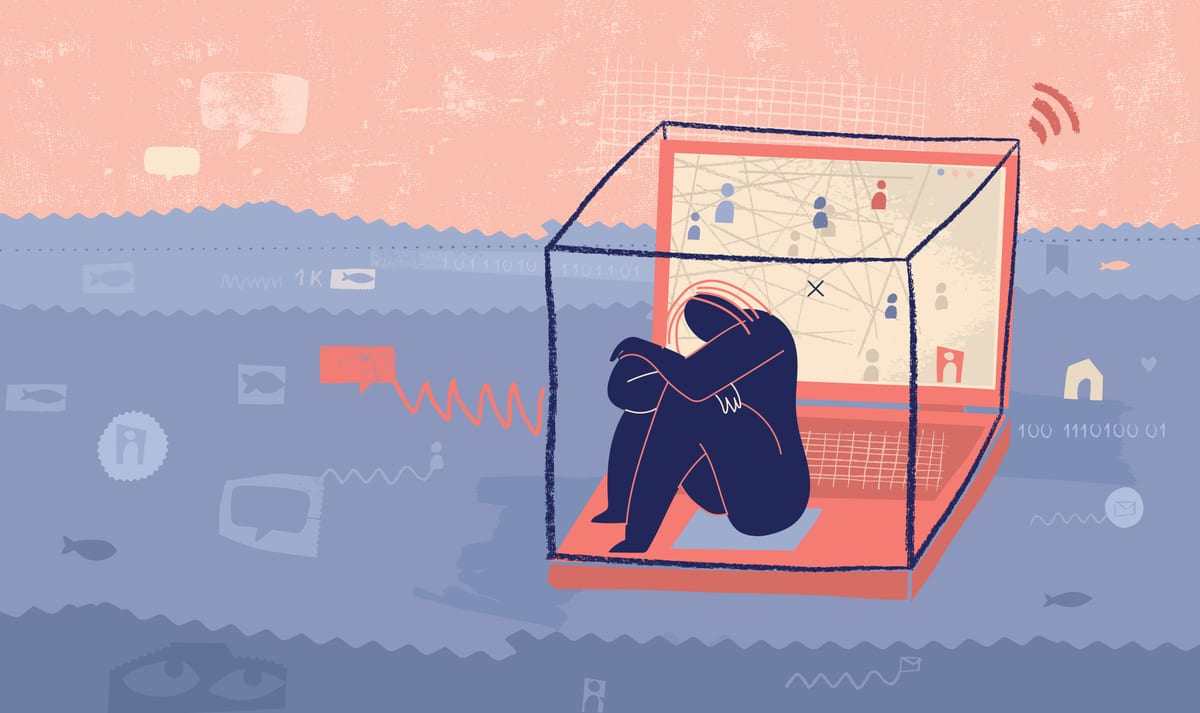
Emotional and Behavioral Disorders: Identification and SupportEmpower Change: Master the Art of Understanding and Supporting Emotional and Behavioral Challenges
15 lessons · 7 hours · 0.7 ceus
 Close
Empowerment Through Inclusivity: A Deep Dive into Down Syndrome
15 lessons · 3 hours · 0.3 ceus
Let your curiosity lead.Are you ready to make a meaningful impact in the lives of students with Down Syndrome? Our course, 'Understanding and Supporting Students with Down Syndrome,' is designed to equip you with the knowledge and tools necessary to foster an inclusive and supportive learning environment. Whether you're an educator, a parent, or a support professional, this course offers practical insights into the unique learning journeys of these students, helping you to celebrate their strengths and address their challenges with confidence.
In this course, you'll gain a comprehensive understanding of Down Syndrome, including its genetic and developmental implications. We'll explore how advancements in technology, like adaptive software and communication apps, can enhance educational experiences and empower students by fostering independence and improving communication skills. Our practical sessions will guide you in leveraging these tools to create inclusive classroom settings where every student can thrive.
One distinctive feature of the course is our focus on collaboration--between educators, families, and specialists--to tailor education strategies that align with each student's individual needs. By recognizing the essential role of partnerships in promoting growth and autonomy, you will be equipped to craft supportive environments where students with Down Syndrome can achieve their fullest potential, both academically and socially.
Join us to explore the diverse aspects of educating students with Down Syndrome, including strategies for managing potential behavioral challenges and understanding family dynamics. By the end, you'll have developed a holistic approach that not only enriches children's educational experiences but fosters a community of understanding and inclusivity. We look forward to welcoming you into this supportive learning community, where together, we can make a difference.
15 lessons · 3 hours · 0.3 ceus
The lesson underscores the importance of understanding Down Syndrome, a genetic condition marked by an additional chromosome 21, emphasizing its impact on developmental trajectories. It delves into the genetic nuances, types of Down Syndrome, and implications for education and health.
Strategic integration of technology and differentiated instruction enhances the learning experience for students with Down syndrome. By emphasizing individualized plans and embracing each child's unique capabilities, teachers facilitate academic and social success.
This lesson delves into the speech and language characteristics of students with Down Syndrome, highlighting the anatomical and developmental factors affecting their communication. Through personalized, collaborative efforts and tools like AAC, educators, clinicians, and families can address these challenges and foster improved outcomes.
Technological advancements, like speech-generating devices and communication apps, are transforming communication for students with Down syndrome. These tools not only facilitate expression but also boost confidence and inclusivity, allowing students to interact socially and educationally with greater ease.
Collaborative efforts between educators, families, and support staff are crucial in crafting successful educational strategies for students with Down syndrome. This partnership ensures that learning approaches are aligned with students’ needs and strengths, promoting comprehensive development.
Inclusive education champions a teaching approach that accommodates diverse learning needs through strategies like differentiated instruction and peer support, thereby elevating both individual and collective educational outcomes. The success of this model relies on strong collaboration between teachers, families, and the community to dismantle barriers and celebrate diversity.
Educational advancements like adaptive software and wearable technology empower students with Down syndrome to manage their schedules, engage deeply with lessons, and participate fully in classroom activities. These innovations not only support learning but also enhance autonomy and executive functioning skills.
Addressing sensory sensitivities and communication barriers through tailored strategies and technology reduces behavioral challenges and supports student engagement. Collaborative efforts among educators, families, and specialists foster comprehensive support for each student's unique needs.
The evolution of parental roles is crucial, with mothers often facing increased pressures as primary caregivers, impacting their personal and professional lives. Encouraging balanced involvement from fathers, siblings, and extended family fosters a supportive environment, reinforcing the household's collective resilience.
Technology-assisted learning is revolutionizing education for students with Down syndrome, offering personalized, engaging experiences to develop essential skills. A collaborative network of educators, therapists, and families is key to creating consistent support systems that reinforce students' growth and autonomy across their learning environments.
Joint and gastrointestinal issues in Down syndrome highlight the importance of therapies and dietary modifications for physical and academic engagement. Customized strategies foster safe recreational participation and comfort conducive to learning.
Mental health support and parental involvement are vital in the educational journey of students with Down syndrome, aiding in emotional resilience and tailored learning plans. Collaborative strategies between educators and families ensure consistent and unified support systems.
The ADA and IDEA collectively uphold the rights of students with Down Syndrome to participate fully in educational communities, emphasizing accessibility and the removal of learning barriers. This legal backing encourages innovative instructional adaptations that promote an equitable and enriching academic environment for diverse learners.
Adolescents with Down syndrome excel in empathy and visual learning, key strengths that educators can nurture through collaborative, visually-rich educational settings. Inclusive transition planning combines academic, life skills, and workplace readiness training, fostering independence and valued societal roles.
Professional development tailored to understanding Down syndrome equips educators with tools to foster inclusive classrooms, enriching the learning experience through adapted instructional strategies and assistive technologies. This ongoing education empowers educators to transform learning environments into inclusive spaces, supporting the diverse needs of students with Down syndrome.
More ideas connected to your curiosity.
Empower Change: Master the Art of Understanding and Supporting Emotional and Behavioral Challenges
15 lessons · 7 hours · 0.7 ceus
Unlock Potential: Transformative Techniques for Teaching Diverse Learners
15 lessons · 7 hours · 0.7 ceus
Unlock Potential through Imagination and Healing
15 lessons · 3 hours · 0.3 ceus
Empower Today, Thrive Tomorrow
15 lessons · 7 hours · 0.7 ceus
Empowering Educators with Insightful, Data-Driven Choices
15 lessons · 6 hours · 0.6 ceus
Empowering Abilities: Nurturing Executive Function in Every Learner
15 lessons · 3 hours · 0.3 ceus
Empowering Families, Enriching Education: Transforming Special Needs Support Together
15 lessons · 7 hours · 0.7 ceus
Master Behavioral Insights: Transform Analysis into Action
15 lessons · 3 hours · 0.3 ceus
Empowering Minds: Unlocking Math for Every Learner
15 lessons · 5 hours · 0.5 ceus
Nurturing Connections for a Unified Tomorrow
15 lessons · 7 hours · 0.7 ceus