Accounting and Bookkeeping
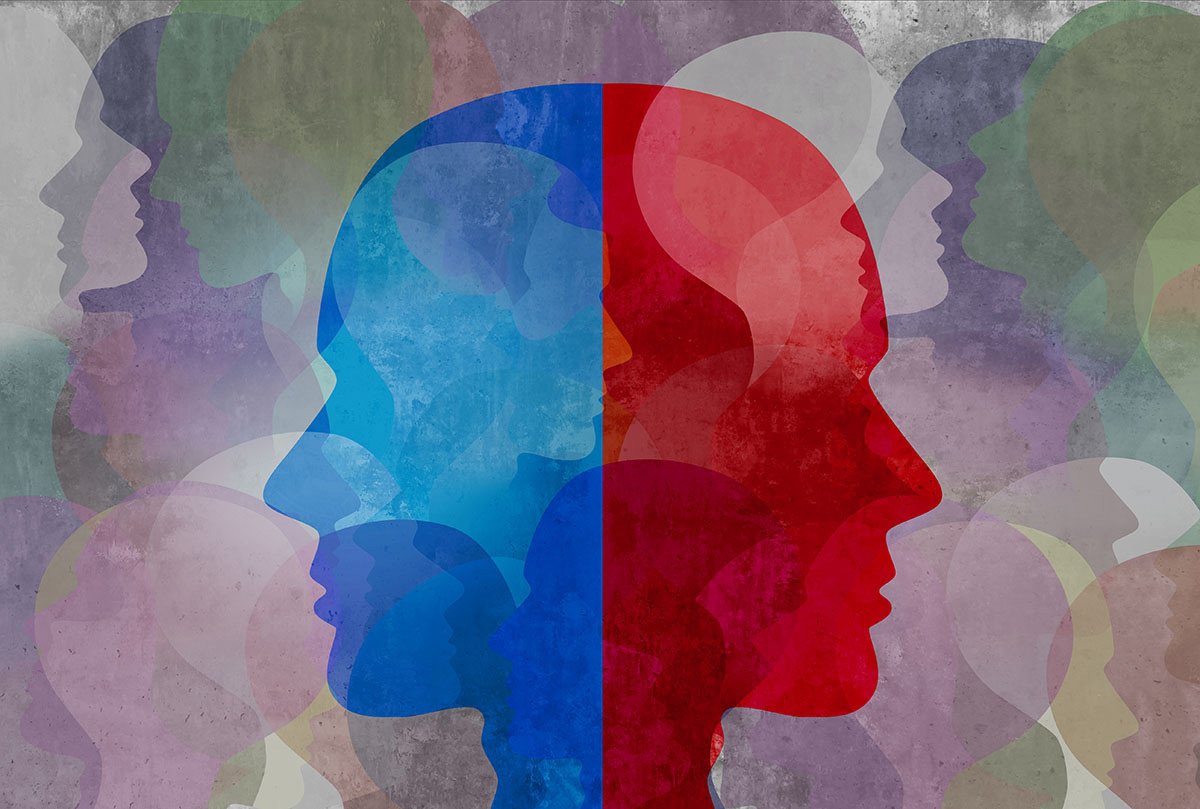
Developing Emotional Intelligence in EducatorsEmpower, Inspire, Transform: Elevate Education with Emotional Intelligence
15 lessons · 4 hours · 0.4 ceus
 Close
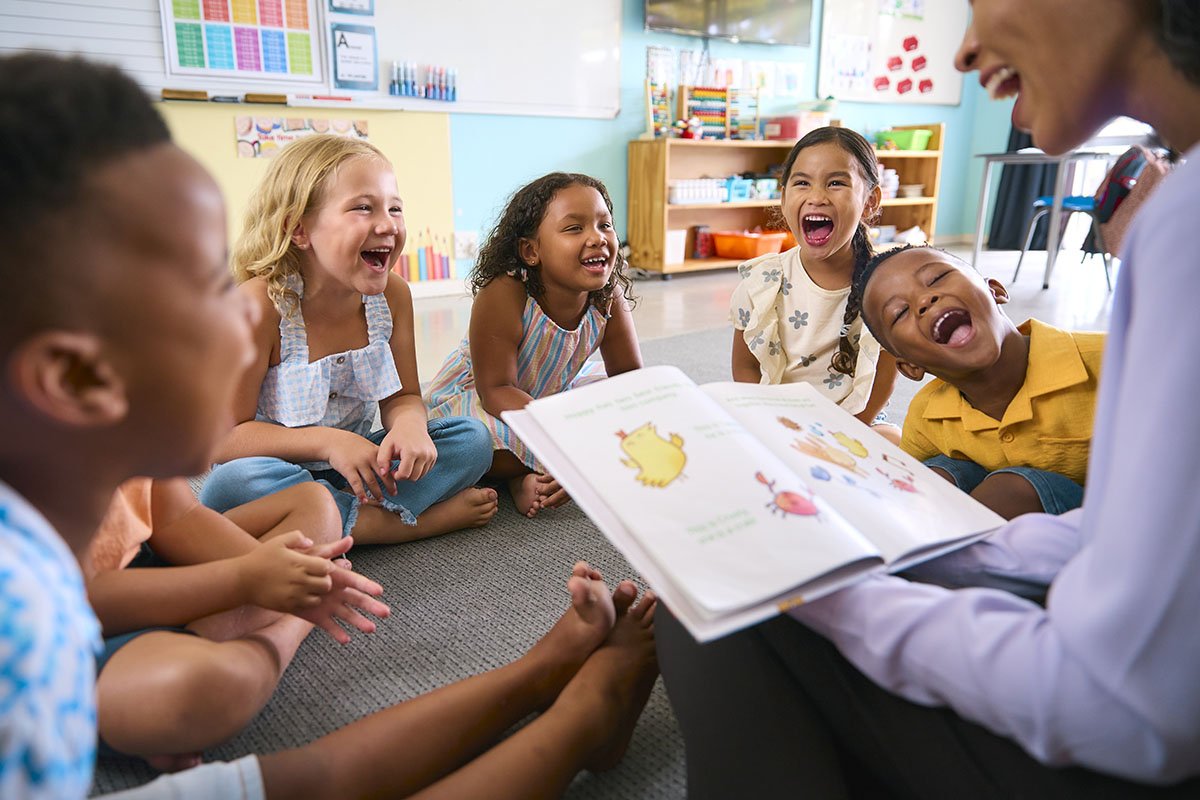
Enhance Learning: Transform Classrooms for Every Sensory Need
15 lessons · 4 hours · 0.4 ceus
Let your curiosity lead.Are you a teacher or educational professional eager to create a more inclusive and supportive classroom environment for every student? 'Addressing Sensory Processing Disorders: Classroom Interventions' is your gateway to understanding and effectively integrating strategies that cater to the diverse sensory needs of your students. Sensory Processing Disorders (SPD) affect how children perceive and respond to sensory input, making it essential for educators like you to recognize and cater to these unique needs effectively.
In this course, you'll gain practical insights into the world of sensory processing and learn how to tailor classroom environments to support students with SPD. You'll dive deep into the sensory systems--visual, auditory, tactile, and more--and discover how they impact students' learning and behavior. Imagine a classroom where strategic tools like noise-canceling headphones and sensory breaks are seamlessly integrated, allowing every student the opportunity to thrive. You'll explore evidence-based practices and participate in collaborative learning models that highlight the importance of empathy and cultural sensitivity when developing educational plans.
An exciting aspect of this course is the focus on collaboration with specialists and parents to optimize classroom dynamics. You'll learn not just to implement, but also to create a dialogue around sensory needs, ensuring a holistic approach to student support. By bridging understanding with practical solutions, you can be instrumental in designing learning experiences that respect and celebrate sensory diversity.
Whether you aim to enhance learning for students with SPD or wish to strengthen collaboration within your educational community, this course equips you with the skills and strategies needed to make a positive impact. Join us in creating classrooms where every child feels safe, supported, and encouraged to learn. We're excited to welcome you and support your journey toward sensory-inclusive education.
15 lessons · 4 hours · 0.4 ceus
Embracing individual sensory needs through informed teaching allows educators to create nurturing spaces for students with Sensory Processing Disorders, ultimately bridging the gap between challenges and potential. Continuous learning and adapting to new research and tools ensure interventions are not only evidence-based but also responsive to each student's unique sensory profile.
Sensory systems such as visual, auditory, tactile, and more play significant roles in how students perceive and interact within educational settings, impacting their learning and behavior. By implementing specific strategies, like using noise-canceling headphones or providing sensory breaks, educators can create supportive learning environments that cater to varied sensory processing needs.
SPD can manifest through hypersensitivity to stimuli or the need for heightened sensory input, impacting students' behaviors and interactions. Educators are pivotal in identifying these signs to foster a nurturing, inclusive classroom.
Crafting sensory-friendly classrooms for students with Sensory Processing Disorders (SPD) involves understanding unique sensory profiles and integrating flexible tools and schedules. By fostering a culture of empathy and shared insights among educators and parents, schools can offer holistic support, enhancing students’ educational journeys.
Incorporating cultural sensitivity in educational planning highlights the importance of recognizing and celebrating diversity. Educators who are culturally competent can personalize communication strategies, increasing familial trust and involvement in a child's educational journey.
A vibrant classroom, full of sights and sounds, can be an obstacle course for students with SPD, causing hypersensitivity or the need for excessive sensory input. Adapting classrooms with tools like noise-canceling headphones and flexible seating can make the environment more inclusive and supportive.
Accommodating diverse sensory needs in education involves a flexible approach to classroom management, such as altering lighting and providing tactile materials. Teachers equipped with sensory literacy can develop more empathetic and inclusive strategies, transforming classrooms into opportunities for every student to thrive.
Creating an inclusive and collaborative educational setting transforms challenges related to sensory processing into opportunities for growth. By collaborating with specialists and incorporating evidence-based practices, educators can foster environments where all students can reach their full potential.
Occupational therapists employ sensory integration methods to assist students with sensory processing disorders in educational environments. By developing personalized strategies and collaborating with educators, they enhance students' focus and participation, creating inclusive and accommodating classrooms.
It highlights the diversity of sensory profiles in students and the importance of personalized assistive tools, illustrating how thoughtful, individualized interventions cultivate focus, self-esteem, and academic success.
Sensory overload occurs when the brain can't effectively process the deluge of sensory input from sight, sound, smell, touch, taste, and proprioception, particularly impacting children in classrooms. By crafting sensory-friendly spaces with calming colors and tools like noise-canceling headphones, teachers can nurture an environment where all students can thrive.
Educators can support children with sensory processing disorders by designing tailored interventions that acknowledge individual sensory needs, enhancing social skills and engagement. Incorporating different sensory inputs and encouraging empathy within the classroom are key components in fostering a welcoming community for all students.
Gross motor skill development, through activities like obstacle courses and sports, enhances physical coordination and emotional growth, especially vital for children with sensory processing challenges. Recognizing sensory profiles allows for individualized interventions, using equipment to explore physical boundaries in a safe setting.
Collaborative efforts among educators, therapists, and parents are essential in tailoring educational experiences for students with Sensory Processing Disorders, allowing for personalized intervention strategies. Understanding sensory processing challenges enables stakeholders to build supportive and inclusive learning environments that nurture diverse student needs.
SPD affects up to 15% of children, highlighting a critical need for inclusive teaching methods that account for diverse sensory experiences. Educators and therapists can enhance learning by customizing sensory diets, optimizing classroom settings, and fostering self-regulation skills.
More ideas connected to your curiosity.
Empower, Inspire, Transform: Elevate Education with Emotional Intelligence
15 lessons · 4 hours · 0.4 ceus
Empower Success: Master Self-Regulation Today!
15 lessons · 3 hours · 0.3 ceus
Ignite Minds, Craft Experiences, Transform Learning
15 lessons · 4 hours · 0.4 ceus
Empower, Transform, Thrive: Master Behavior Management Today!
15 lessons · 6 hours · 0.6 ceus
Empower Your Heart to Discover Real Love
15 lessons · 6 hours · 0.6 ceus
Empower Change: Master the Art of Giving
15 lessons · 7 hours · 0.7 ceus
Unlock Your Potential with Celestial Insights
15 lessons · 4 hours · 0.4 ceus
Unlock the Mysteries, Connect with the Beyond
15 lessons · 6 hours · 0.6 ceus
Unleash Your Signature Elegance in Designer Fashion
15 lessons · 7 hours · 0.7 ceus
Unlock the Mystery: Navigate Infinite Realities!
15 lessons · 3 hours · 0.3 ceus
Unlock Your Inner Otaku: Master the Language of Anime!
15 lessons · 5 hours · 0.5 ceus
Master the Language of Champions!
15 lessons · 3 hours · 0.3 ceus