Communication & Interpersonal Skills
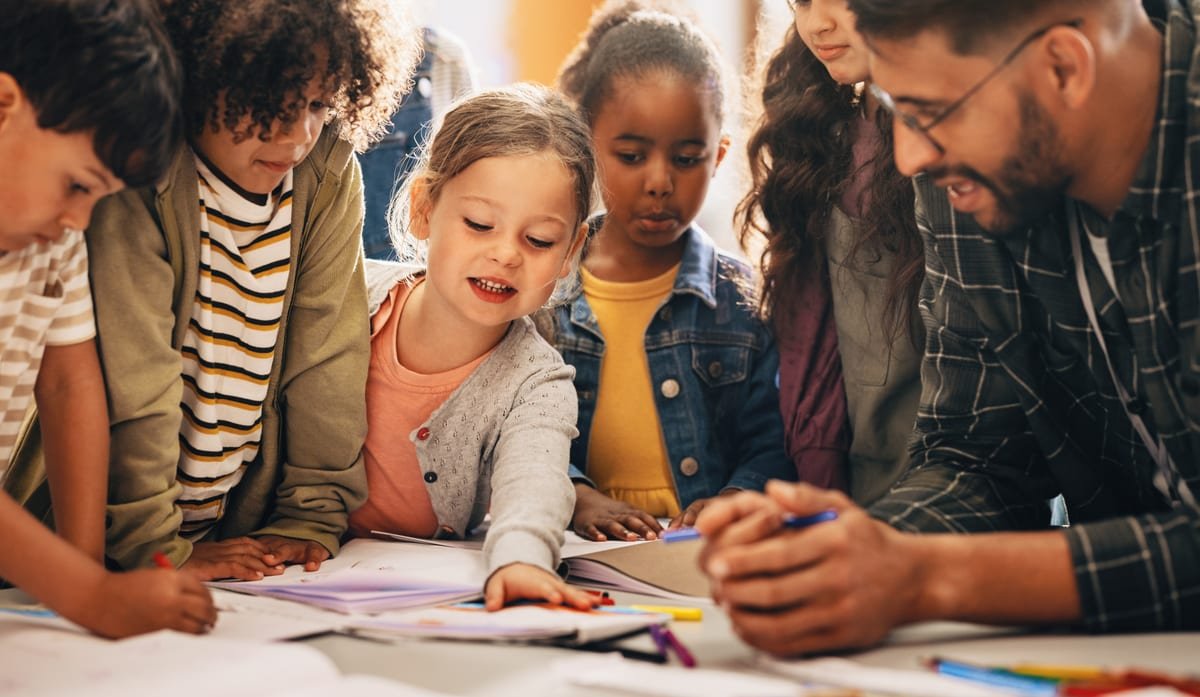
Effective Teaching Strategies for Diverse ClassroomsEmpower Every Mind, Embrace Every Difference.
15 lessons · 3 hours · 0.3 ceus
 Close
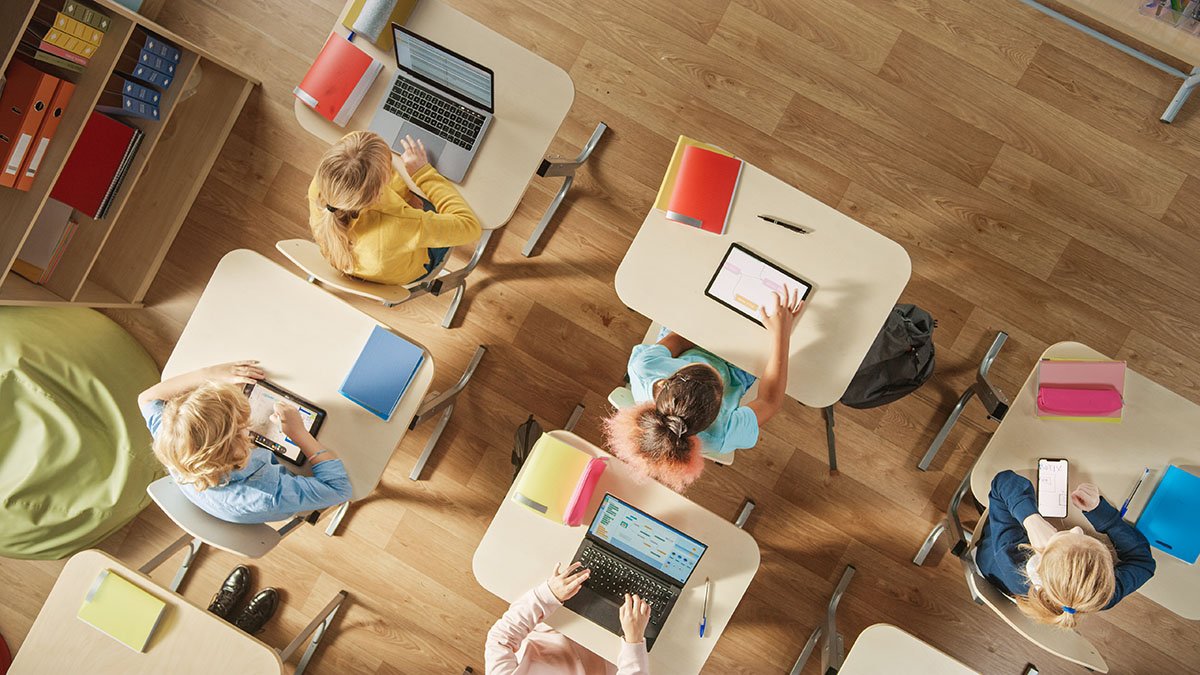
Empower Success: Master Self-Regulation Today!
15 lessons · 3 hours · 0.3 ceus
Let your curiosity lead.Welcome to 'Self-Regulation Strategies for Students with Disabilities,' a course that offers you practical, actionable tools to enhance not only your teaching methods but also your students' learning experiences. If you're eager to understand how self-regulation can serve as a powerful catalyst for personal and academic success, this course is tailored to meet your enthusiasm. Here, you'll explore techniques that help students identify their own triggers and manage their responses, making you an ally in their journey to overcome educational hurdles.
Imagine empowering your students to navigate complex social settings with confidence and clarity. This course dives deep into the dynamics of group environments, showing you how to guide students in recognizing roles, interpreting social cues, and resolving conflicts positively. You'll learn about the importance of mindfulness and how its practice can significantly improve attention and social interactions, particularly for students with ADHD or autism. Our approach is centered on supporting you to craft a nurturing atmosphere where each student feels included and understood, boosting their confidence and independence.
We know that each student is unique, so this course puts a strong emphasis on understanding individual learning styles. You'll delve into strategies that tailor learning experiences to match these styles, whether they're visual, auditory, or kinesthetic, thus helping students optimize their academic performance and reduce stress. With the integration of assistive technology like text-to-speech and speech-to-text applications, you'll be equipped to bridge accessibility gaps, making learning more inclusive for all.
By the end of this course, you'll be adept at leveraging technology and collaborative goal-setting frameworks to foster a culture of resilience and perseverance in your classroom. Imagine students tackling challenges head-on, equipped with robust problem-solving skills and the support network they need to thrive. Start here to equip yourself with the tools to make a meaningful impact in your educational community. We look forward to exploring these strategies with you, making learning an empowering experience for every student you teach.
15 lessons · 3 hours · 0.3 ceus
For students with disabilities, self-regulation serves as a vital bridge to overcoming educational and social barriers. Techniques like self-monitoring and positive reinforcement foster resilience and motivation, enabling students to achieve milestones with confidence.
Recognizing environmental and internal triggers in students with disabilities is crucial for developing effective self-regulation to mitigate stress responses. Collaborative techniques, including personalized learning and peer support, cultivate a nurturing environment and enhance educational success.
Understanding emotional triggers and self-regulation equips students with disabilities with tools for academic success and social fulfillment. Tailored strategies and mindfulness practices empower them to navigate emotional challenges, enhancing well-being and resilience.
Mindfulness helps students with ADHD or autism manage attention and social challenges by fostering real-time awareness of thoughts and emotions. Regular practice can enhance executive functions, facilitate smoother social interactions, and promote self-compassion.
Understanding group dynamics is crucial for students with disabilities, enabling them to identify roles and enhance social interactions. By leveraging non-verbal cues and resolving conflicts constructively, students improve communication and foster a cooperative learning environment.
Working memory, flexible thinking, and self-control are key components of executive functioning that affect goal-directed behavior and task completion. Students with disabilities may struggle with these skills, but targeted interventions can help enhance their academic performance and independence.
Understanding diverse learning styles empowers students, especially those with disabilities, to customize their study methods and manage time effectively. By embracing their unique preferences, like visual, auditory, or kinesthetic strategies, they can optimize academic success and reduce stress.
The use of technology enhances visual supports by providing customizable and interactive tools that cater to diverse learning styles and needs. Such innovations reinforce the effectiveness of visual aids in supporting students with disabilities, offering new avenues for independence and self-regulation.
Collaboration between educators, therapists, and families is essential in crafting meaningful, personalized goal-setting frameworks for students with disabilities. This network of support ensures that goals remain realistic and reflect the student's unique needs while aligning with educational standards.
For students with disabilities, developing problem-solving skills is critical for resilience, enabling them to break down and tackle unique challenges effectively. By encouraging diverse perspectives and self-regulation strategies, these students learn to navigate complex problems with adaptability and creativity.
The lesson explores the intricate process of sensory interaction in the brain, affecting how we perceive daily experiences, especially for students with sensory sensitivities. By adapting educational environments to individual needs, it fosters inclusive learning that turns sensory challenges into opportunities for growth.
Token economies and social reinforcement emphasize consistency and human connection in behavior management, supporting pattern recognition in students. These systems foster a collaborative classroom culture where achievements are celebrated and goals visualized, driving positive behavior development.
Dynamic and flexible goal-setting processes, supported by milestones and regular progress evaluations, allow students to adapt strategies and discover effective solutions. This adaptability nurtures perseverance and important problem-solving skills in a supportive environment.
Incorporating assistive technology, such as text-to-speech and speech-to-text applications, bridges accessibility gaps for students with reading and writing challenges, promoting a more inclusive educational experience. Teachers can leverage these tools to tailor instruction, supporting students' unique learning needs and advancing equity.
Technology plays a transformative role in enhancing self-regulation, with digital tools providing structured reminders and immersive learning environments. These tools offer new ways for students to practice and receive feedback on self-regulation techniques.
More ideas connected to your curiosity.
Empower Every Mind, Embrace Every Difference.
15 lessons · 3 hours · 0.3 ceus

Empower Change: Master the Art of Giving
15 lessons · 7 hours · 0.7 ceus
Unleash Your Analytical Edge for a Thriving Career
15 lessons · 4 hours · 0.4 ceus
Master Behavioral Insights: Transform Analysis into Action
15 lessons · 3 hours · 0.3 ceus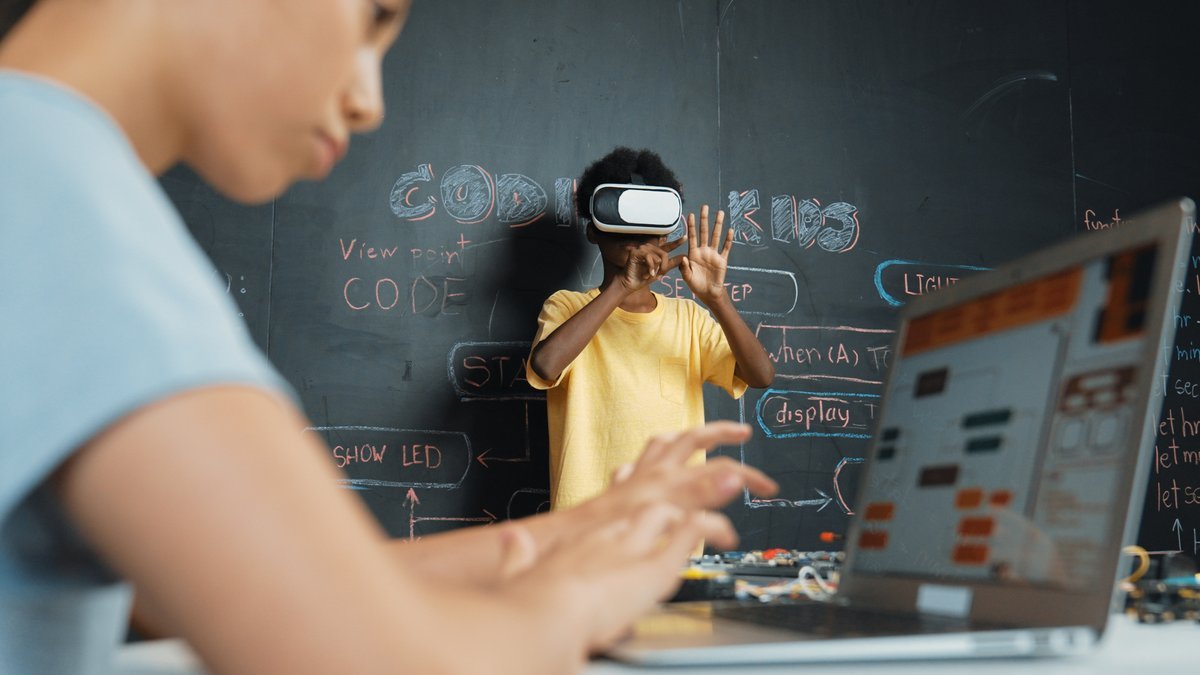
Elevate Your Learning Potential with Adaptive Innovation
15 lessons · 6 hours · 0.6 ceus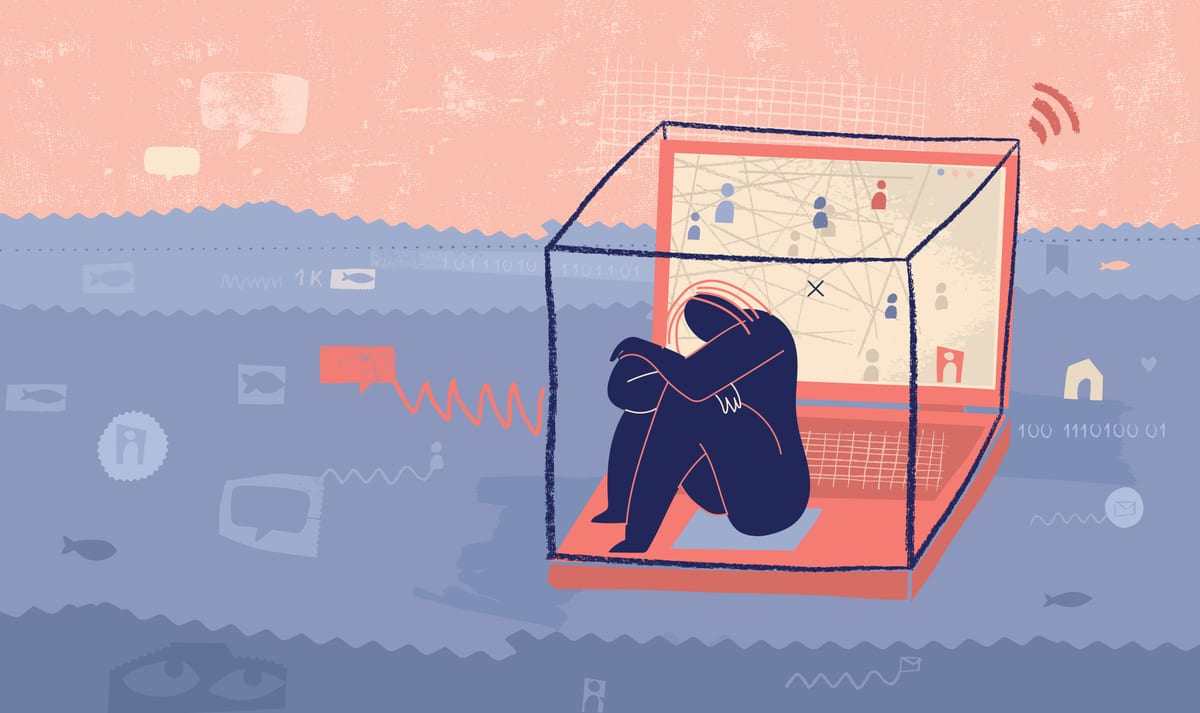
Empower Change: Master the Art of Understanding and Supporting Emotional and Behavioral Challenges
15 lessons · 7 hours · 0.7 ceus
Explore New Realities: Unlock the Secrets of Time and Beyond
15 lessons · 3 hours · 0.3 ceus
Empowering Voices, Transforming Lives: Tailored Speech and Language Excellence for All Abilities
15 lessons · 7 hours · 0.7 ceus
Empower. Educate. Thrive: Master Dyslexia Support
15 lessons · 4 hours · 0.4 ceus
Empower Together: Elevate Your Special Education Synergy
15 lessons · 4 hours · 0.4 ceus
Unite, Lead, and Succeed Virtually
15 lessons · 6 hours · 0.6 ceus