
Spiritual Studies
Developing Individualized Education Programs (IEPs): Best PracticesCrafting Personalized Education Plans for Every Learner's Success
15 lessons · 4 hours · 0.4 ceus
 Close
Empower Change: Master the Art of Understanding and Supporting Emotional and Behavioral Challenges
15 lessons · 7 hours · 0.7 ceus
Let your curiosity lead.Are you passionate about supporting children and youth as they navigate emotional and behavioral challenges? Our course, 'Emotional and Behavioral Disorders: Identification and Support,' invites you to not only grasp the complexities behind these challenges but also equip yourself with practical strategies to make a meaningful impact. Imagine feeling confident in your ability to recognize and respond to early warning signs of emotional and behavioral disorders (EBD) in educational and social settings. This course is meticulously crafted to help you do just that.
Throughout this course, you'll delve into real-world issues, from the subtle signs of conditions like ADHD and autism to more intricate challenges such as Oppositional Defiant Disorder (ODD) and Conduct Disorder. You'll learn how to identify these diverse manifestations and collaborate effectively with families and fellow educators. Understanding the influence of socioeconomic and cultural contexts, you'll gain the skills to foster supportive environments that enhance learning, resilience, and positive social interactions for children facing these challenges.
An integral component of our course is the exploration of tailored support strategies. We emphasize collaboration among educators, families, and mental health professionals to implement impactful interventions. Picture yourself expertly using methods such as the BASC or ASEBA to assess and support students with EBD, ensuring a compassionate and culturally sensitive approach. The course also empowers you with knowledge about legal frameworks like IDEA and ADA, reinforcing your responsibilities and rights as you advocate for students' needs and growth.
Whether you aim to enhance your roles as an educator, counselor, or caregiver, this course offers vital insights and tools for fostering positive development, emotional regulation, and personal achievement in children and youth. You're about to take a significant step toward becoming a key part of the support network that these individuals so greatly benefit from. We welcome you to join us, ready to learn and make a difference.
15 lessons · 7 hours · 0.7 ceus
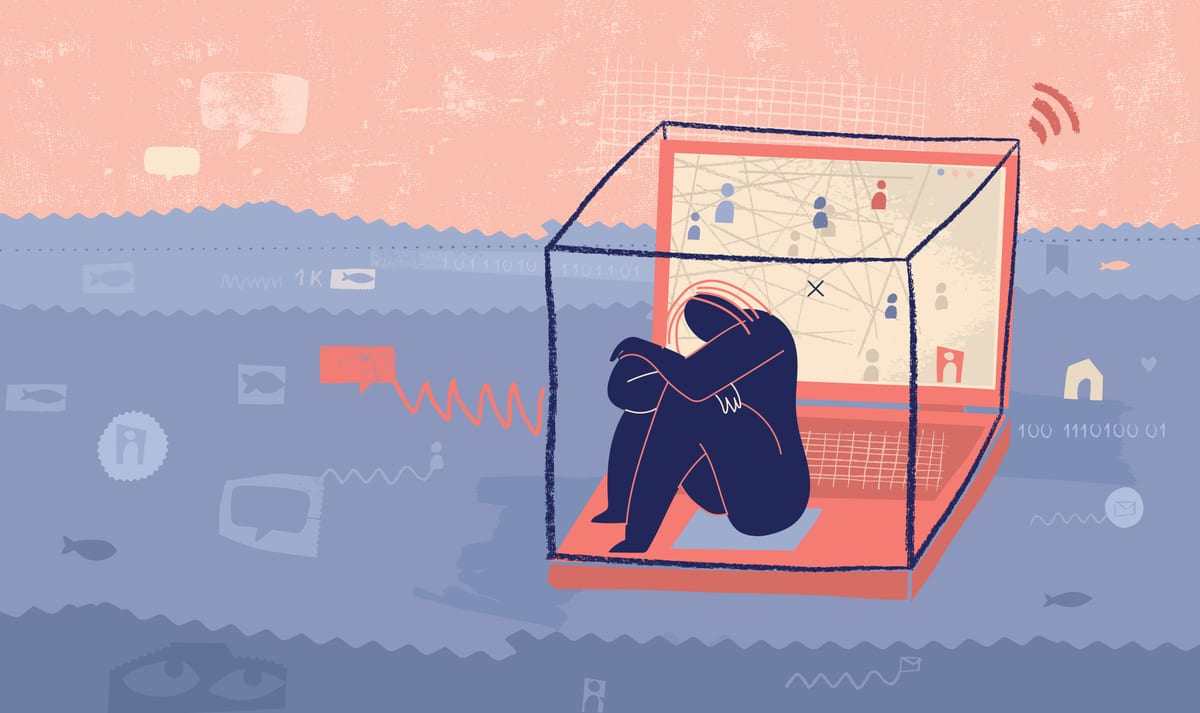
Socially, EBD can significantly hinder the ability to form and sustain relationships, often causing isolation. Targeted interventions like social skills training are essential to help individuals develop positive social interactions.
The interconnection between socioeconomic environment and biological tendencies significantly affects emotional disorders, where supportive settings often lead to better outcomes. Identifying early signs through therapeutic and communal approaches leads to successful intervention and resilience in developing children.
An expansive approach to assessing EBD prioritizes reliability and cultural sensitivity, utilizing methods like BASC and ASEBA to encompass the diverse expressions of behavior across cultures and age groups. Integrating both qualitative and quantitative data ensures a nuanced understanding of each student's emotional landscape, pivotal for crafting effective interventions.
Emotional and behavioral disorders in children challenge typical development through anxiety and mood disturbances, necessitating a nuanced understanding for effective intervention. By integrating modern research, adults can better support children, fostering resilience despite these profound emotional challenges.
Educational strategies supporting students with ADHD involve collaboration between parents and teachers, adapting teaching methods to individual needs. Structured environments, personalized interventions, and open communication are key to fostering a supportive learning atmosphere.
Providing a supportive environment for children with ODD calls for consistency in rules, routines, and strategic reinforcements involving clear communication between caregivers and educators. Understanding individual triggers and fostering engagement through tailored strategies helps reduce defiance and strengthens emotional management skills.
Understanding and managing Conduct Disorder requires integrating behavioral therapies with family and community support systems to foster positive youth development. By using school-based programs and parent management training, early identification and targeted interventions can significantly enhance social and academic outcomes.
Recognizing the extraordinary talents and challenges among individuals with ASD illustrates the complexity and variability within the spectrum. Implementing individualized education plans that leverage strengths, such as structured routines or sensory-friendly materials, considerably enhances learning opportunities and comfort for these individuals.
Early childhood is marked by behavioral milestones such as self-control and empathy, essential for future competence, while individual differences require nuanced support. Environmental factors and early intervention are crucial in identifying when a child deviates from typical development, ensuring timely support.
Mental health stigma in various cultures necessitates sensitive community education to encourage help-seeking behavior and reduce untreated symptoms. Empowering families through cultural awareness and open dialogue can break barriers, encouraging engagement with mental health services.
Understanding and supporting the diverse manifestations of EBD is essential for effective education strategies. Collaborative efforts between educators, families, and mental health professionals can significantly enhance the social capabilities of students with EBD, leading to improved academic and personal outcomes.
Communication and collaboration between educators, families, and mental health providers are essential for a unified approach to support students with EBD. This synergy ensures strategies are effectively executed across home and school environments.
Emphasizing frameworks like IDEA and ADA, the lesson demonstrates how laws ensure individuals with disorders receive tailored support in education and beyond, while preventing discrimination in all facets of life. This legal guidance empowers teamwork among educators, families, and professionals, advocating for students' best interests.
CBT, ABA, and DBT are key therapies for addressing emotional and behavioral disorders, each offering unique strategies that help individuals manage their challenges. Integration of technology and family involvement enhances these therapies, ensuring accessibility and sustainability of behavioral improvements in varied environments.
Understanding the types and effects of trauma is essential in mitigating its impact on youth, who often face relational and emotional difficulties. Educators and caregivers are crucial in creating stable environments, thereby fostering resilience and emotional regulation.
More ideas connected to your curiosity.
Crafting Personalized Education Plans for Every Learner's Success
15 lessons · 4 hours · 0.4 ceus
Empower Together: Elevate Your Special Education Synergy
15 lessons · 4 hours · 0.4 ceus
Empowering Abilities: Transforming Learning with Innovative Tools
15 lessons · 6 hours · 0.6 ceus
Unlock Potential: Empowering Every Learner's Voice
15 lessons · 5 hours · 0.5 ceus
Empower. Educate. Thrive: Master Dyslexia Support
15 lessons · 4 hours · 0.4 ceus
Empower Today, Thrive Tomorrow
15 lessons · 7 hours · 0.7 ceus
Empower Every Student, Elevate Every Learning Experience
15 lessons · 3 hours · 0.3 ceus
Empowering All Abilities Through Active Engagement
15 lessons · 5 hours · 0.5 ceus
Empower Every Sense, Enrich Every Mind
15 lessons · 7 hours · 0.7 ceus
Transform Learning Through Tailored Assessments
15 lessons · 3 hours · 0.3 ceus