Health & Wellness
Effective Co-Teaching Strategies in Inclusive ClassroomsEmpower Learning, Together: Transform Your Classroom with Co-Teaching Excellence
15 lessons · 5 hours · 0.5 ceus
 Close

Empowering All Abilities Through Active Engagement
15 lessons · 5 hours · 0.5 ceus
Let your curiosity lead.Are you passionate about creating accessible and empowering sports environments for students of all abilities? 'Inclusive Sports and Physical Education for Special Needs' offers a fresh perspective on how to enhance participation and success in physical activities for those with diverse abilities. This course invites you to step into the role of an advocate for equality in sports, helping you to develop essential skills in empathy, creativity, and adaptation.
In this course, you'll gain a deeper understanding of various disabilities and learn how to turn perceived limitations into opportunities for growth. Through concrete examples and teaching strategies, you'll discover how to incorporate assistive technology and modify sports equipment to create inclusive experiences that foster cooperation, respect, and personal achievement. The course also highlights the importance of recognizing and celebrating individual strengths, allowing you to mold a supportive environment where every learner feels valued and engaged.
One standout feature of this course is its focus on employing adaptive technologies and personalized interventions. You'll learn how tools like tailored communication aids and individualized education plans can transform physical education by making activities accessible and enjoyable. Educators, coaches, and community leaders will find practical, research-backed methods to promote inclusivity, both physically and emotionally, within their spheres of influence.
Cultural awareness and legal frameworks form integral parts of the curriculum, ensuring that you're well-equipped to navigate the complexities of inclusive sports education. You'll leave the course not only with a holistic understanding of the subject but also ready to employ culturally adaptive communication strategies and uphold key legal standards like IDEA and ADA.
We can't wait to welcome you into this engaging and vital community of learners. Prepare to unlock new ways of thinking, teaching, and fostering a world where sports truly belong to everyone.
15 lessons · 5 hours · 0.5 ceus
Inclusive sports empower individuals by recognizing diverse abilities and employing creativity, empathy, and technology to enhance participation and success. They break norms with customized adaptations, fostering environments rich in diversity, cooperation, and respect.
Comprehending physical, sensory, and cognitive disabilities is crucial for developing inclusive educational sports environments, where barriers become growth opportunities. Adaptive sports create avenues for skill development tailored to individual abilities, inspiring personal achievements and building community.
The integration of assistive technology and modified equipment in sports settings enhances inclusivity by offering tailored experiences for students with special needs. Such innovations lead to richer, engaging participation that defies traditional boundaries and tackles stereotypes.
Recognizing every student's unique potential allows educators to create a supportive environment where all learners can thrive in physical education. By tailoring activities to diverse needs, educators can highlight individual strengths and foster a profound sense of belonging.
In the inclusive setting of physical education, assistive technologies such as adaptive equipment and communication aids form a cornerstone of transformation, empowering students by facilitating access to a variety of physical activities. Collaborations between educators and technologists further refine these initiatives, fostering social inclusion and emotional development.
Robust IEP implementation in PE has statistical backing, showing benefits in both physical and psychological realms, while promoting a culture of inclusivity. Cultivating mutual respect and empathy through IEPs not only enhances classroom dynamics but also imparts vital life skills.
Employing adaptive technology and personalized behavioral interventions, special educators enhance student engagement and success in physical activities. Their dedication transforms sports from stressful experiences into joyous ones, empowering students with newfound confidence and skills.
Adapting team sports for all abilities fosters inclusivity, boosting confidence and social skills. Through creative modifications and empathy, educators help build active, supportive communities.
Universal Design for Learning transforms physical education into an accessible domain by integrating adaptive technologies, ensuring students of all abilities can participate meaningfully. By connecting with latest research and employing innovative strategies, educators develop inclusive, empowering environments that support holistic student growth.
Sports inclusion requires conscious efforts to integrate diverse cultural perspectives, ensuring that programs cater to the needs of all participants regardless of background. Coaches and educators must employ culturally adaptive communication strategies, which may include bridging cultural practices and understanding varying communication styles.
A comprehensive approach to emergency response in sports education involves adapting protocols to accommodate diverse needs and promoting empathy and awareness among staff and students. This ensures safety while empowering instructors to support a unified learning environment.
IEPs, tailored for K-12 students with specific disabilities under IDEA, offer custom educational goals and necessary school support for inclusive participation. Meanwhile, 504 Plans provide accommodations for students with disabilities without specialized instruction needs, ensuring equal educational access.
The peer buddy system pairs students with and without disabilities to promote inclusive participation in physical education, cultivating a supportive environment for holistic development. This interaction develops critical empathy and leadership skills, echoing the broader inclusivity goals and preparing students for diverse societal roles.
Striking a balance between safety and inclusivity in PE for students with special needs involves adhering to crucial legal frameworks like IDEA and ADA. Educators must go beyond compliance, infusing teaching practices with understanding and creativity to ensure equitable opportunities for all students.
With accessibility at its core, inclusive sports reengineer environments to welcome people of all capabilities, fostered by innovative adaptations like tactile goalball and flexible basketball rules. This egalitarian field also champions economic and geographical accessibility, ensuring inclusive programs reach across society's fabric.
More ideas connected to your curiosity.
Empower Learning, Together: Transform Your Classroom with Co-Teaching Excellence
15 lessons · 5 hours · 0.5 ceus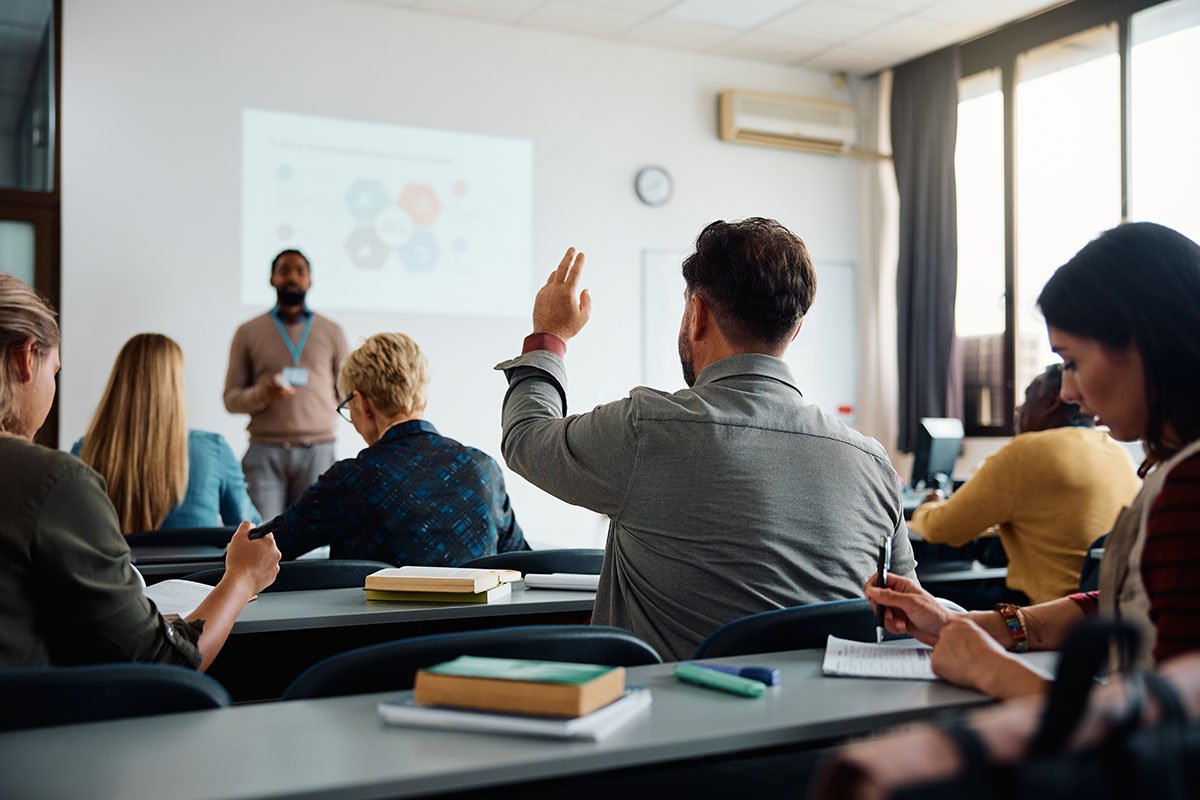
Empower Every Student, Elevate Every Learning Experience
15 lessons · 3 hours · 0.3 ceus
Empower Every Learner: Master Behavior Strategies for Success
15 lessons · 7 hours · 0.7 ceus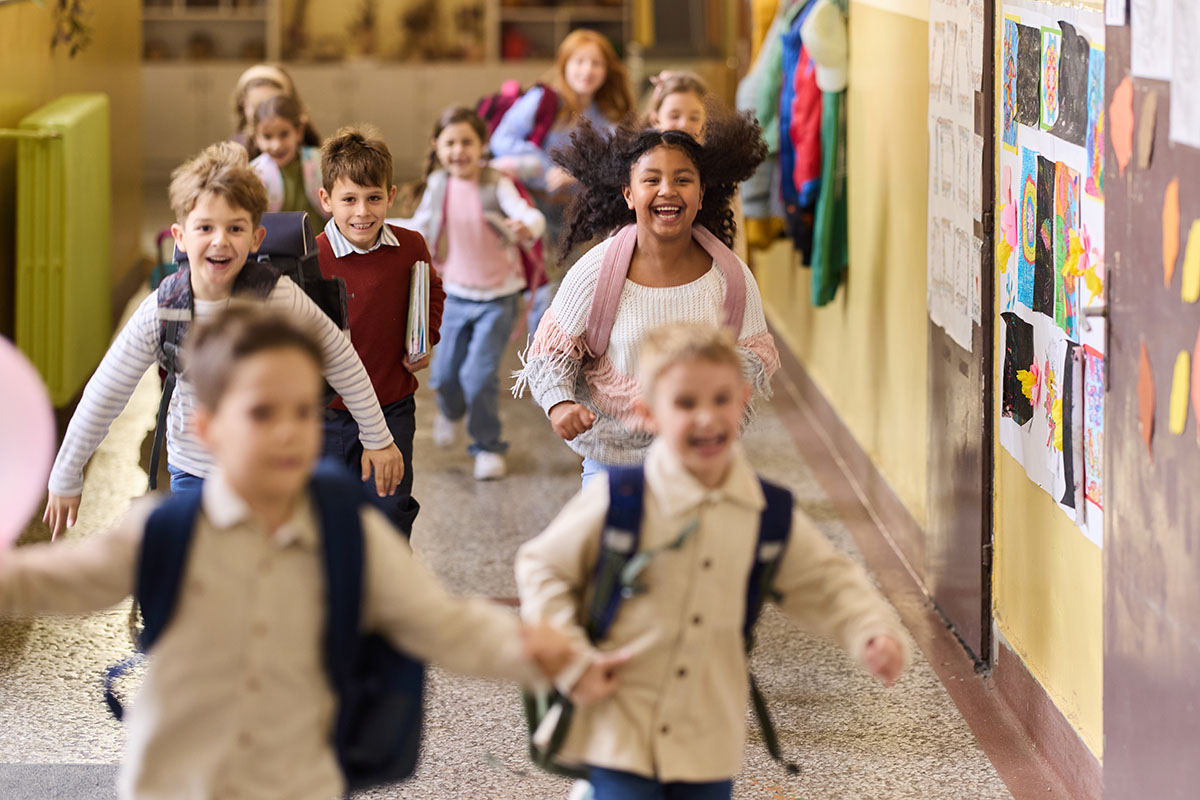
Empowering Partnerships, Enriching Futures
15 lessons · 3 hours · 0.3 ceus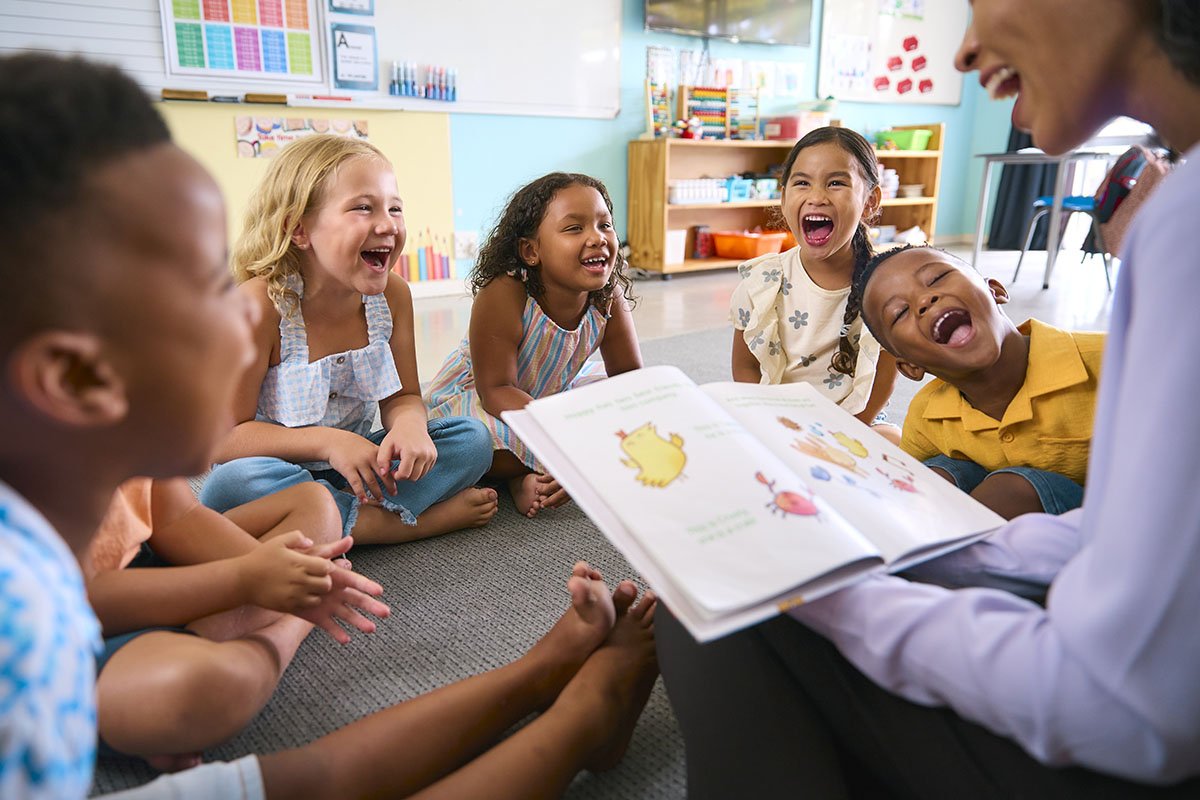
Enhance Learning: Transform Classrooms for Every Sensory Need
15 lessons · 4 hours · 0.4 ceus
Unlock Potential: Empowering Every Learner's Voice
15 lessons · 5 hours · 0.5 ceus
Empower Minds: Transform ADHD Challenges into Learning Triumphs
15 lessons · 4 hours · 0.4 ceus
Unlock Potential: Transformative Techniques for Teaching Diverse Learners
15 lessons · 7 hours · 0.7 ceus
Unlocking Potential: Empowering Twice-Exceptional Learners
15 lessons · 5 hours · 0.5 ceus
Empowering Minds with Tailored Cognitive Tools
15 lessons · 7 hours · 0.7 ceus