Accounting and Bookkeeping
Promoting Social Skills in Special EducationEmpowering Connections, Enriching Lives
15 lessons · 5 hours · 0.5 ceus
 Close
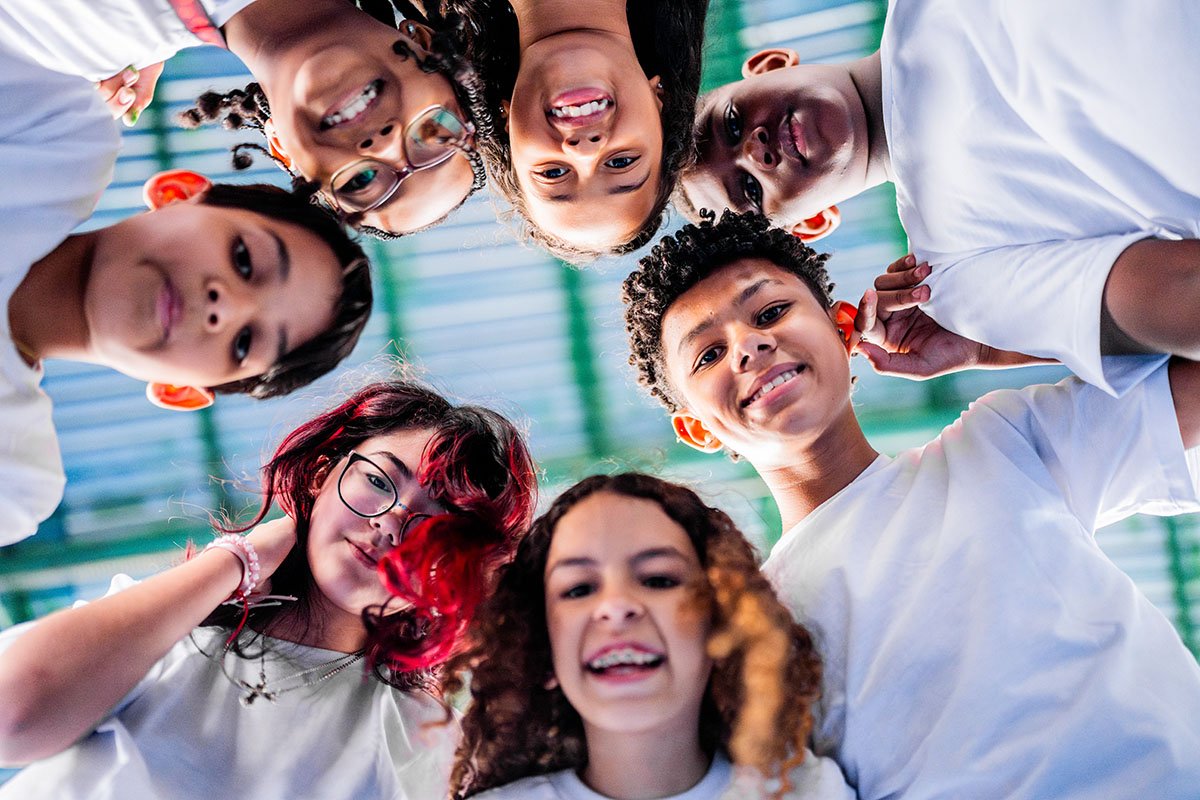
Nurturing Connections for a Unified Tomorrow
15 lessons · 7 hours · 0.7 ceus
Let your curiosity lead.Welcome to 'Fostering Peer Relationships in Inclusive Classrooms,' a course designed to help educators like you create dynamic, supportive environments where every student feels valued. Imagine a classroom where all students, regardless of their background or learning style, feel connected and engaged. This isn't just a dream--it's an achievable goal that empowers both students and teachers to thrive.
In this course, you'll explore practical strategies to enhance communication, empathy, and collaboration among your students. By using tools like story circles and peer mentoring, you'll be equipped to craft a learning environment where diverse perspectives are celebrated, not just tolerated. Students with different learning needs can engage meaningfully with their peers, fostering real-world interpersonal skills. You'll learn how to tailor your approach to meet the unique social needs of each student, enabling them to build lasting, positive relationships that reduce isolation and build community.
We understand that effective communication is at the heart of inclusive education. Our course provides you with a set of creative strategies, such as the use of augmentative and alternative communication tools, which ensure every voice is heard. You'll gain insights into how recognizing cultural and personal backgrounds impacts communication and learn how to create spaces where students respect and appreciate each other's perspectives. This isn't just about teaching--it's about transforming your classroom into a hub of empathy and understanding.
As you progress through the course, you'll also focus on engaging families and the community, creating a network of support that extends beyond the classroom. Discover how to partner with local organizations to enrich students' learning experiences and improve cultural competencies. By the end of this course, you'll be equipped not only with the knowledge but also with the concrete skills to make inclusivity the cornerstone of your teaching practice. We're excited to have you join us on this educational journey--let's get started!
15 lessons · 7 hours · 0.7 ceus
Fostering a sense of belonging in inclusive education encourages students to feel connected and accepted, thus reducing isolation. Classroom practices, like story circles and collaborative learning, build interpersonal skills and empathy, preparing students for real-world interactions.
By acknowledging the profound impact of cultural and personal backgrounds on communication, educators create inclusive spaces where all students are heard and respected. Diverse instructional strategies, such as the use of augmentative and alternative communication tools, ensure every student can participate meaningfully, enhancing both social and academic interactions.
Empathy forms the foundation of inclusive classrooms by fostering connections through understanding diverse perspectives, ultimately enhancing social interactions and communication skills. This lesson highlights how cognitive and emotional empathy not only build student relationships but also reduce bullying and promote a nurturing educational atmosphere.
By integrating diverse perspectives and individual strengths in group work, inclusive classrooms enhance critical thinking and intercultural competencies. Educators act as facilitators, guiding balanced group dynamics and leveraging technology for accessible communication and collaboration.
Empathy transforms classrooms into spaces where students are encouraged to put themselves in others' shoes, grasping different emotional narratives through storytelling and collaborative projects. Meanwhile, active listening fortifies these empathetic connections by fostering genuine communication and understanding among students with diverse backgrounds and needs.
Celebrating diversity in the classroom means going beyond recognizing differences to actively using them to enhance educational experiences, encouraging empathy and broad-mindedness. By integrating diverse cultural narratives in curricula, students gain a comprehensive understanding of the world, fostering critical thinking and inclusivity.
Creating inclusive classrooms requires educators to be architects of social dynamics, leveraging cooperative learning to dismantle barriers. Involving parents and guardians in workshops ensures a consistent approach to fostering empathy and handling bullying effectively across school and home environments.
An inclusive classroom requires understanding students' diverse needs, weaving this knowledge into activities that highlight individual strengths while promoting group synergy, such as mixed-ability science projects. Through warmth, regular group discussions, and collaborative norm-setting, classrooms can become nurturing spaces where mutual respect and constructive conflict resolution are everyday practices.
Addressing diverse social interaction needs in classrooms involves creative strategies and understanding each student's strengths. Through activities like peer mentoring and role-playing, educators can promote empathy, mutual respect, and successful collaboration among students.
Inclusive education relies on communication strategies that value every perspective, urging students to engage in respectful dialogues and appreciate diversity. Techniques such as role-playing and cooperative learning foster a culture of empathy and collective growth.
Through peer mentoring, students learn to appreciate diverse perspectives as mentors model active listening and empathy in classrooms. This transformative approach reduces social anxieties for mentees while nurturing leadership skills in mentors, contributing to inclusive educational and societal environments.
A key to inclusive education is teaching social skills that help students connect and collaborate across diverse backgrounds. Through techniques like role-playing and digital tools, students learn empathy and communication, enriching classroom dynamics and preparing for global citizenship.
Cultural identity permeates every facet of student life, from language and customs to the festivals celebrated, influencing classroom dynamics significantly. Educators must acknowledge these cultural fabrics, creating inclusive lessons that honor each student's background and facilitate meaningful peer interactions.
Peer relationships in inclusive classrooms are essential for academic and social growth, with educators employing strategies such as cooperative projects and observational techniques to assess and strengthen support systems. By embracing diverse perspectives and modeling inclusive behavior, teachers enable students to become empathetic and resilient members of society.
Community-centric strategies expand family involvement beyond the school, connecting them with social, recreational, and cultural resources. Partnerships with local organizations, like art centers and libraries, offer inclusive activities, enhancing learning experiences and fostering empathy through cultural competency events that celebrate diversity.
More ideas connected to your curiosity.
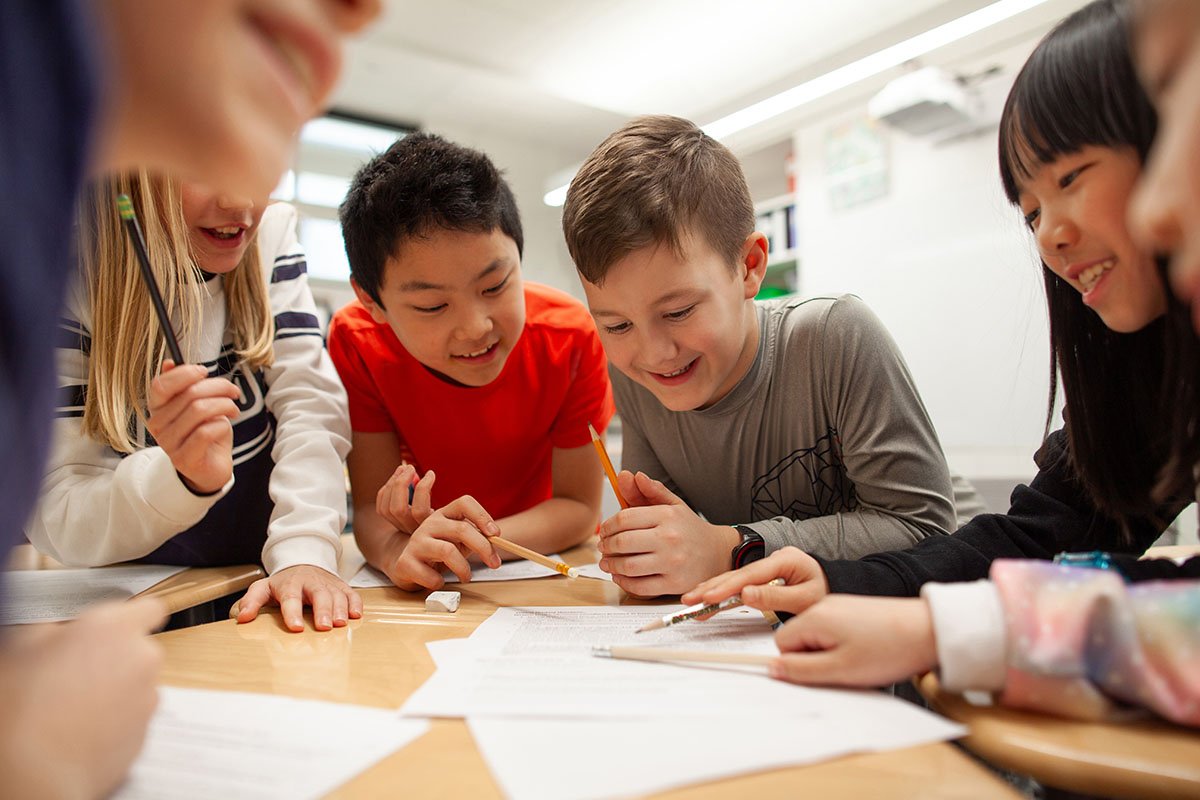
Empowering Connections, Enriching Lives
15 lessons · 5 hours · 0.5 ceus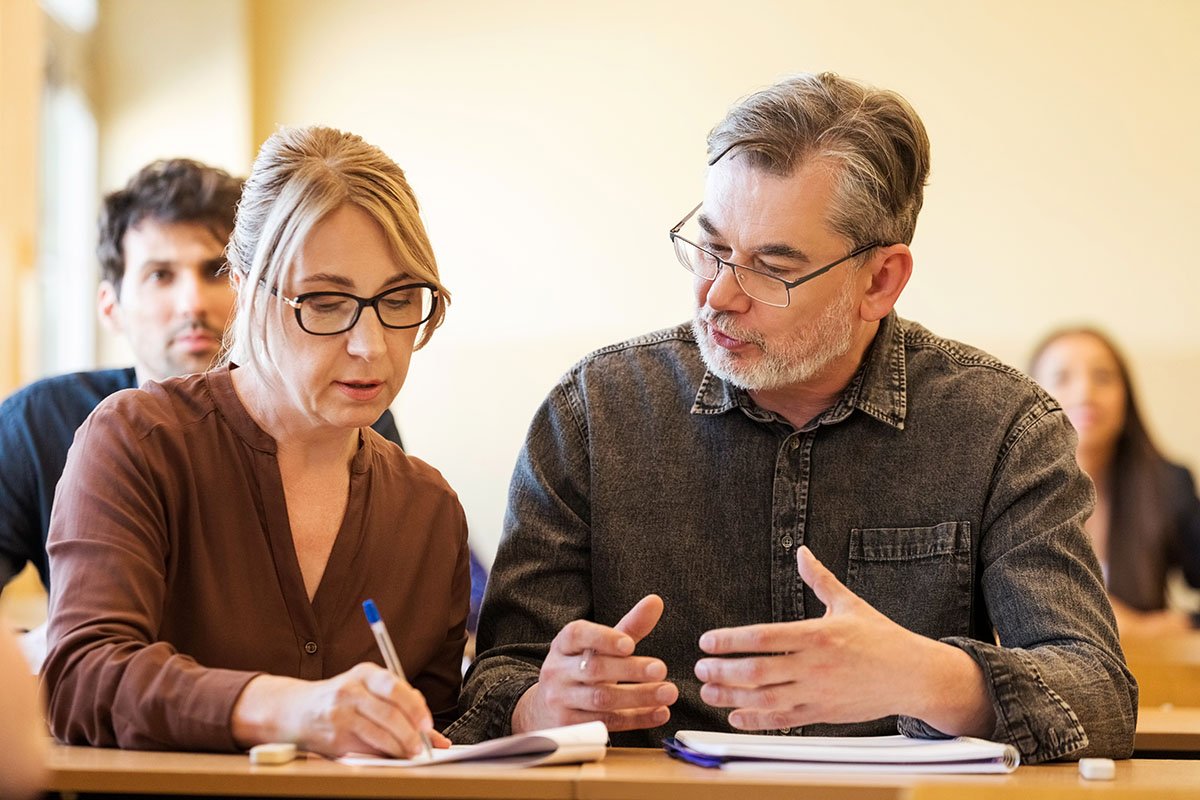
Empower Every Learner, Elevate Every Classroom
15 lessons · 4 hours · 0.4 ceus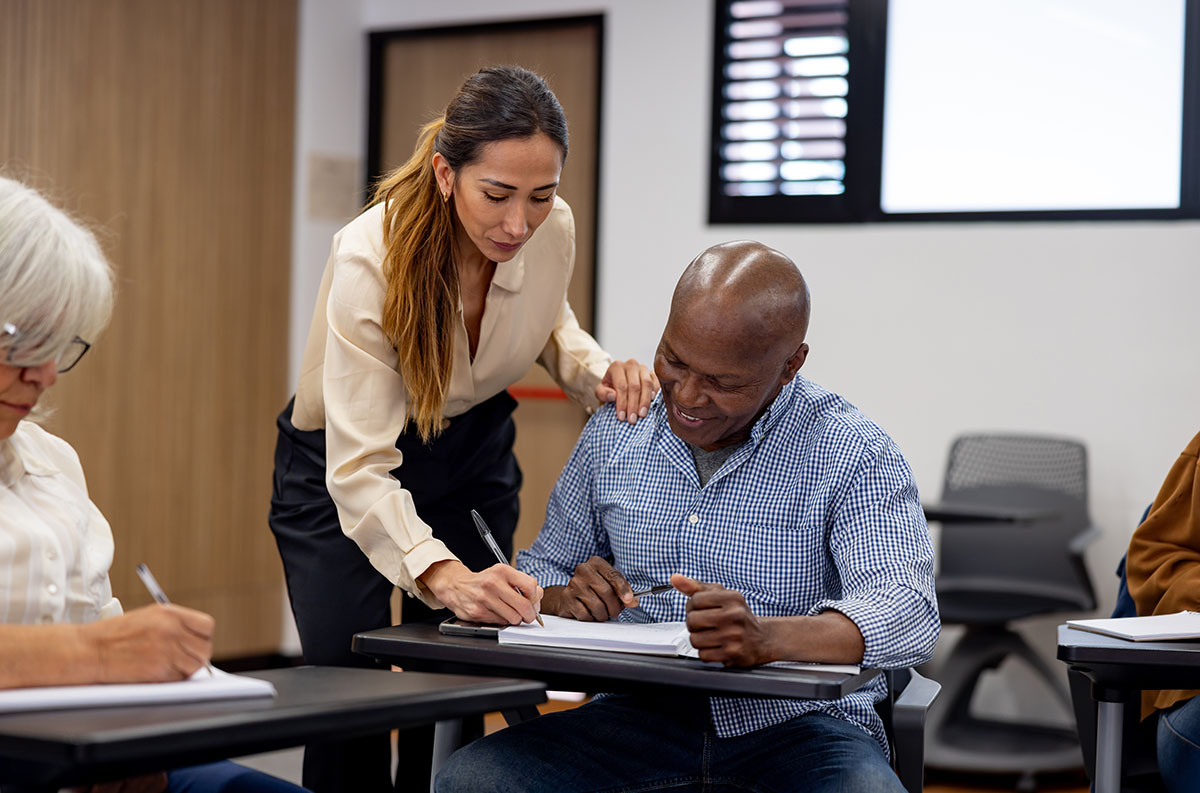
Empowering Futures: Seamlessly Bridging School to Life
15 lessons · 6 hours · 0.6 ceus
Empower Voices, Unlock Abilities
15 lessons · 6 hours · 0.6 ceus
Empowering Every Student to Succeed: Mastering the Test, Unlocking Potential
15 lessons · 3 hours · 0.3 ceusNurturing Connections for a Unified Tomorrow
15 lessons · 7 hours · 0.7 ceus
Empower Together: Elevate Your Special Education Synergy
15 lessons · 4 hours · 0.4 ceus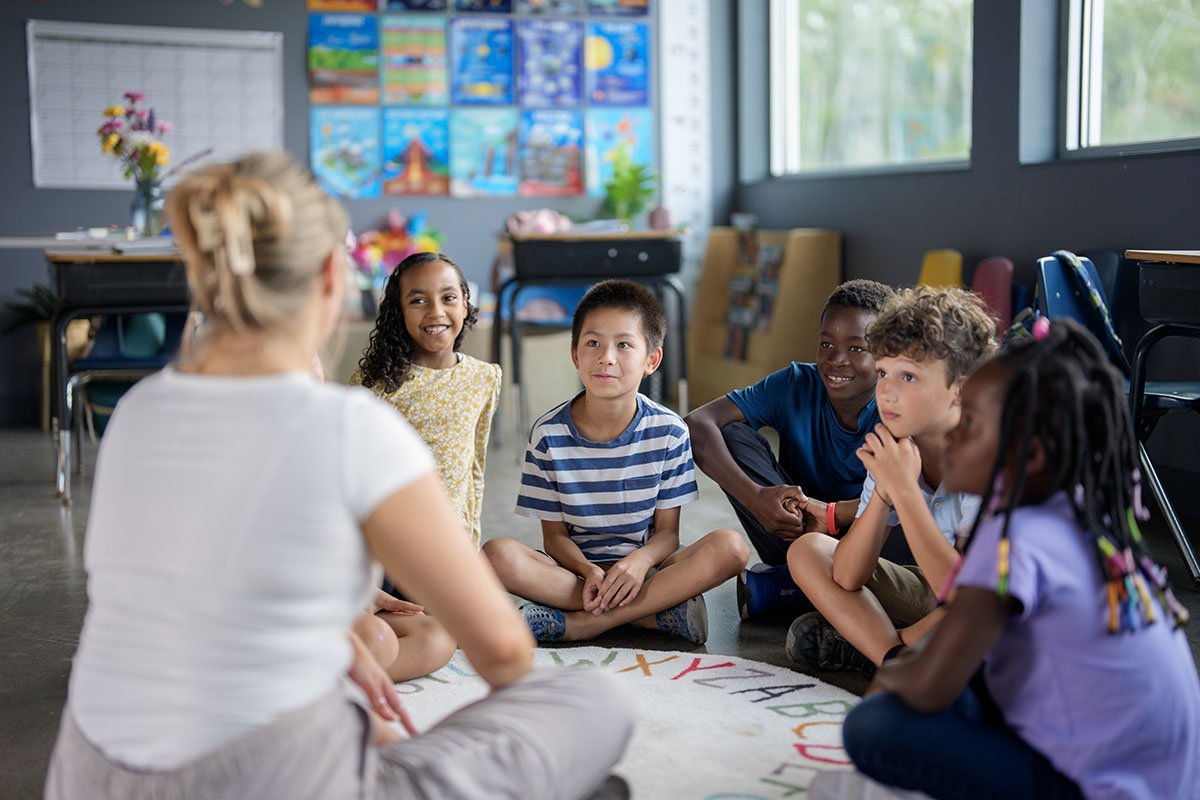
Empowering Minds: Unlocking Math for Every Learner
15 lessons · 5 hours · 0.5 ceus
Empower. Educate. Thrive: Master Dyslexia Support
15 lessons · 4 hours · 0.4 ceus
Design Spaces, Unlock Potential: Creating Personalized Learning Environments for Every Student
15 lessons · 7 hours · 0.7 ceus