
Fashion & Personal Style
The Friendship Formula: Building Trust in Personal NetworksCultivate Connections, Ignite Trust
15 lessons · 6 hours · 0.6 ceus
 Close
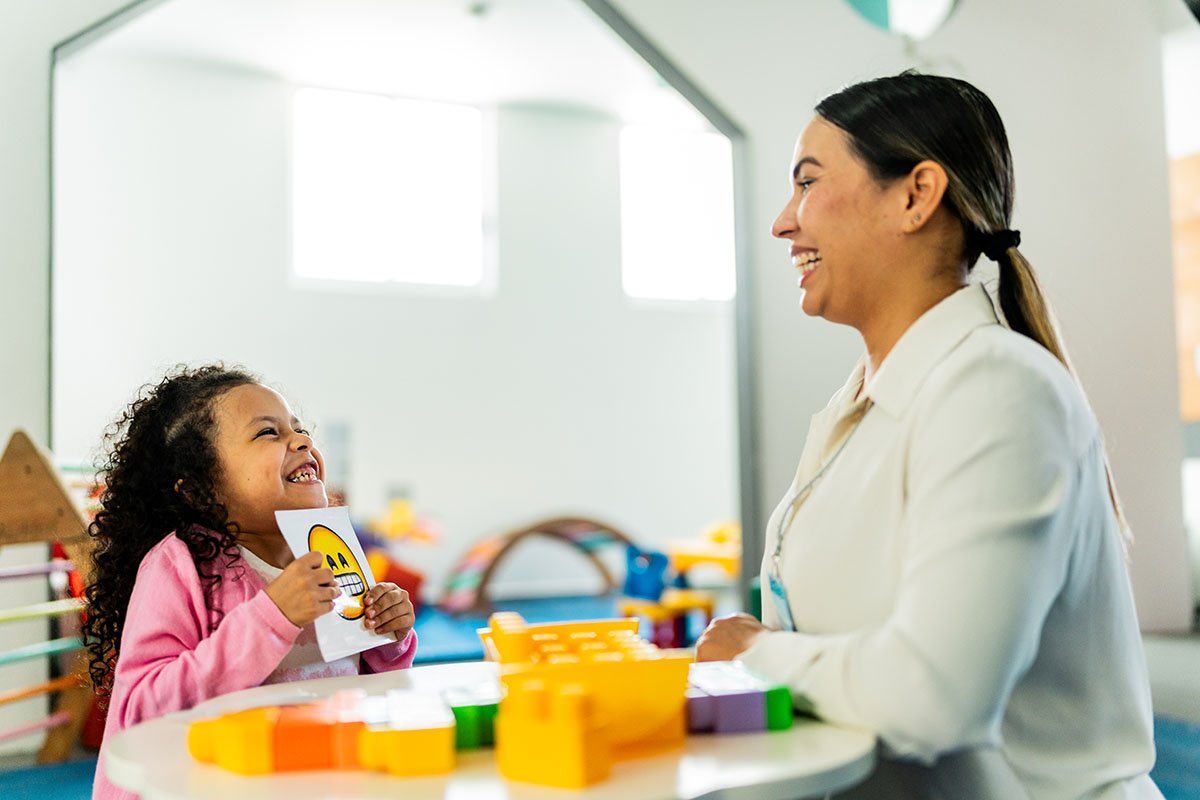
Empower Resilience, Transform Futures
15 lessons · 3 hours · 0.3 ceus
Let your curiosity lead.Explore the crucial intersection of trauma and disability with our course, 'Addressing Trauma in Students with Disabilities.' Designed for educators and professionals, this course delves into the challenges faced by students with disabilities who have experienced trauma. You'll learn to recognize trauma's impact on students' academic and social lives, and understand how cultural contexts influence individual experiences. Our distinctive feature is a focus on neuroplasticity and its role in recovery, equipping you with strategies like mindfulness and artistic expression to promote healing and resilience.
By incorporating trauma-informed practices and creating supportive learning environments, you'll be empowered to tailor interventions, enhance educator-student relationships, and collaborate effectively with families and mental health professionals. These skills will enable you to transform classrooms into nurturing spaces where every student feels valued and empowered. Join us on this important journey to foster inclusive education through empathy, understanding, and strategic support. It's a welcoming step towards ensuring every student thrives, ready to begin at your own pace.
15 lessons · 3 hours · 0.3 ceus
Educators play crucial roles in recognizing trauma's effects on students with disabilities, driving efforts to create environments grounded in safety, trust, and collaboration. Empowering these students involves understanding their unique challenges and providing resources that facilitate healing and learning.
This lesson emphasizes the importance of understanding trauma's impact on students with disabilities and how such experiences can complicate their academic and social lives, highlighting the need for trauma-informed care in educational settings. By recognizing and addressing various trauma-inducing scenarios—such as medical procedures, bullying, and neglect—the educational system can provide better support, fostering resilience and recovery.
Understanding neuroplasticity is crucial for harnessing the brain's adaptability in trauma recovery, offering a path to healing for students with disabilities. With strategies like mindfulness, arts, and supportive relationships, the brain can reconfigure itself for resilience and growth.
Recognizing the interplay of culture, trauma, and disability is crucial to understanding each student’s unique experience and fostering inclusive educational support. Educators should be equipped with cultural competence to tailor interventions, ensuring that students feel valued and understood in their multicultural identities.
Personalized, trauma-informed education for students with disabilities focuses on understanding their unique stories and leveraging strengths to build resilience.
A trauma-informed educational approach underscores the importance of understanding and addressing diverse manifestations of trauma in students, particularly those with disabilities. Educators, by embracing empathy, tailored teaching methods, and collaboration with families and professionals, can transform classroom experiences into healing opportunities.
A trauma-sensitive learning environment built on clear routines and understanding can significantly boost students' emotional regulations and learning abilities. Teachers, families, and mental health professionals collaborating on individualized interventions create a robust support network essential for student success.
The complex relationship between trauma and disabilities reveals how adverse experiences can exacerbate existing challenges in cognition, emotional regulation, and social interactions for affected students. Integrating trauma-informed practices into educational settings not only supports these students but enriches the overall learning environment, fostering resilience and empowerment.
Trauma-informed practices in education focus on creating environments characterized by safety, predictability, and empowerment, particularly for students with trauma histories. By acknowledging trauma's diverse impacts and fostering strong educator-student relationships, schools ensure a nurturing space that supports academic and personal growth.
Section 504 of the Rehabilitation Act ensures equal access to education for students with disabilities who may not qualify for IDEA, offering accommodations through 504 Plans to prevent retraumatization. Michael's difficulty concentrating due to trauma is addressed by adjusting his learning environment, making educational content approachable and less stressful.
Peer support systems are invaluable for students with disabilities, offering emotional support and fostering resilience. These networks empower students to overcome trauma by engaging in shared experiences and meaningful interactions with their peers.
Recognizing the unique impact of trauma on students with disabilities is essential for effective educational strategies that foster inclusivity and empowerment. Trauma-informed educational environments prioritize safety, trust, and collaborative support to help students overcome cognitive, emotional, and social challenges.
The lesson emphasizes the importance of recognizing trauma's behavioral manifestations, particularly among students whose disabilities complicate expressive behaviors. By understanding responses like hyper-vigilance, withdrawal, and regression, educators can better discern their origins and offer tailored interventions.
Establishing and maintaining professional boundaries is crucial for educators to prevent secondary trauma and avoid burnout, ensuring their capacity for impactful teaching. Schools can support this by offering counseling services, managing workloads, and facilitating open communication with students and families to set realistic expectations.
Trauma-informed education integrates safety, trustworthiness, and empowerment to support students with disabilities, addressing their heightened vulnerability to trauma. These practices not only improve emotional and academic outcomes but also foster inclusive school climates that celebrate diversity and minimize discrimination.
More ideas connected to your curiosity.
Cultivate Connections, Ignite Trust
15 lessons · 6 hours · 0.6 ceus
Unleash Your Style, Redefine Tomorrow
15 lessons · 6 hours · 0.6 ceus
Explore New Realities: Unlock the Secrets of Time and Beyond
15 lessons · 3 hours · 0.3 ceus
Forge Lasting Bonds, Empower Your Circle
15 lessons · 6 hours · 0.6 ceus
Empowering Partnerships, Enriching Futures
15 lessons · 3 hours · 0.3 ceus
Unlock the Mysteries, Encounter the Unknown.
15 lessons · 3 hours · 0.3 ceus
Elevate Your Work Life with Mindful Well-Being
15 lessons · 3 hours · 0.3 ceusNavigate Tomorrow's Challenges with Cultural Insight
15 lessons · 4 hours · 0.4 ceus
Transform Conversations, Elevate Success
15 lessons · 5 hours · 0.5 ceus
Decode Your Diet: Empowering Smarter Food Choices
15 lessons · 5 hours · 0.5 ceus
Master the Stage, Command the Room
15 lessons · 6 hours · 0.6 ceus
Master Your Money, Empower Your Future
15 lessons · 3 hours · 0.3 ceus