Psychology
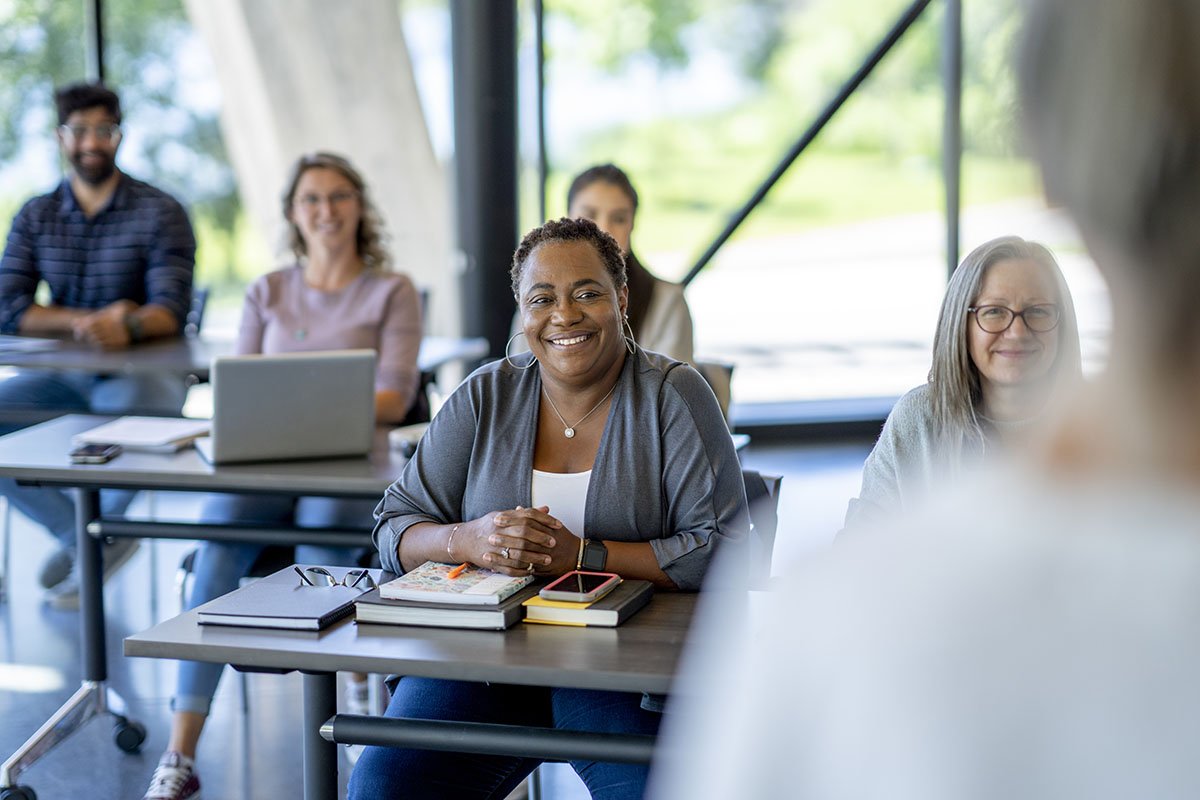
Designing Experiential Learning OpportunitiesIgnite Minds, Craft Experiences, Transform Learning
15 lessons · 4 hours · 0.4 ceus
 Close
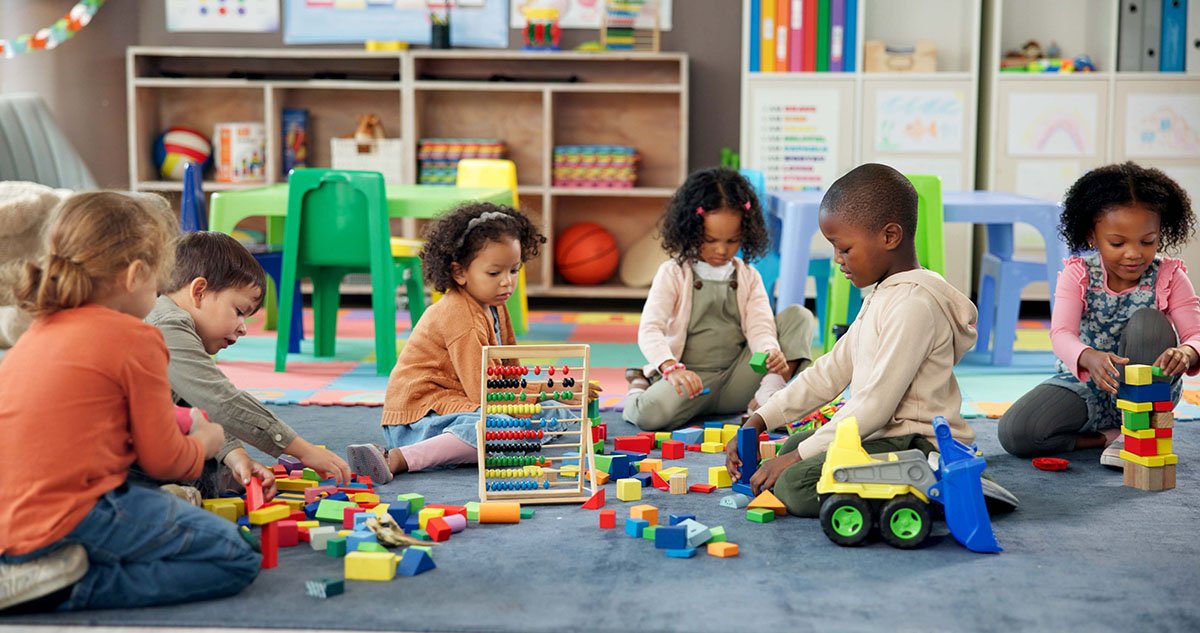
Empowering Support, Enhancing Success: Elevate Your Impact in Special Education
15 lessons · 3 hours · 0.3 ceus
Let your curiosity lead.Are you passionate about making a meaningful difference in the lives of students with special needs? Our course, 'The Role of Paraprofessionals in Special Education,' is your gateway to gaining essential skills and insights specifically designed for paraprofessionals dedicated to supporting diverse learners. This course immerses you in the pivotal responsibilities paraprofessionals hold in creating inclusive, supportive educational environments, highlighting your invaluable role in executing Individualized Education Programs (IEPs) and supporting students' unique requirements.
Throughout the course, you will explore active listening techniques, adaptive communication strategies, and behavior management skills that enable you to effectively address the cognitive, sensory, and emotional needs of students. You'll delve into regulatory frameworks such as IDEA, ensuring you possess the comprehensive understanding needed to navigate legal aspects and enhance students' educational experiences. By integrating cultural awareness and emotional intelligence, you'll be equipped to bridge communication gaps and foster trustful environments that accommodate each student's cultural and individual learning preferences.
Beyond everyday responsibilities, our course emphasizes personal growth and professional development, empowering you to create a continuous learning path. Master dynamic classroom approaches and engage in reflective practices that hone your ability to manage diverse classroom dynamics. You'll discover the importance of self-care and emotional intelligence in maintaining well-being, ensuring you are well-prepared to adapt and thrive in constantly evolving educational settings.
Whether you aim to build stronger community ties or enhance academic achievements through assistive technologies, this course offers the practical, real-world skills you need. Join us, and together let's equip you with the tools to contribute profoundly to special education classrooms, making learning success accessible and meaningful for every student. We're excited to welcome you into this essential field--let's get started on making a difference in students' lives, one interaction at a time.
15 lessons · 3 hours · 0.3 ceus
Paraprofessionals play a pivotal role in executing Individualized Education Programs by tailoring instructional materials and fostering essential social skills. Their presence ensures that students with special needs receive the necessary accommodations, creating a cohesive and supportive learning community.
Equipped with active listening and adaptable communication strategies, paraprofessionals significantly aid special education students by addressing cognitive, sensory, and emotional needs. They utilize visual aids and empathic engagement to improve learning outcomes and build trusting relationships.
The success of IEPs relies on continuous assessment and the active role of paraprofessionals in monitoring and documenting student progress, advocating for necessary adjustments. This dynamic approach ensures educational strategies evolve in line with each student's development and needs.
With their deep engagement in classrooms, paraprofessionals help students thrive by providing tailored support through technology and personalized learning strategies. This includes adapting teaching styles to suit individual learning preferences and utilizing advanced tools to enhance educational experiences.
By leveraging students' interests and intrinsic motivators, paraprofessionals can increase engagement and facilitate smoother transitions in special education. Personalized interventions rooted in understanding individual stimuli and triggers help create a stable learning environment.
Paraprofessionals master conflict resolution and problem-solving, using empathy and collaboration to address interpersonal challenges and foster a supportive educational environment. Continuous professional development equips them to handle diverse classroom dynamics while maintaining self-care and emotional intelligence.
IEPs are legally binding documents crafted for children requiring special education, detailing personalized educational goals to ensure needs are met effectively. In contrast, 504 Plans focus on accessibility and accommodations without specialized instruction, with paraprofessionals implementing crucial modifications.
Paraprofessionals in special education play a crucial role by navigating legal frameworks like IDEA to support students with disabilities through tailored educational programs. Their duties involve collaboration with certified teachers and adherence to privacy laws, ensuring a respectful, inclusive learning environment for all students.
Cultural awareness in special education is crucial for paraprofessionals who help bridge the gap between students with diverse needs and their educational environments. By integrating cultural perspectives, they enhance inclusivity and effectiveness in teaching strategies.
Through emotional intelligence, paraprofessionals can bridge communication gaps, fostering trust and belonging within special education settings. This approach equips them to support the complex needs of diverse students, ultimately facilitating better social integration and academic success.
Incorporating assistive technology into reading and organizational tasks dramatically benefits students with learning disabilities by simplifying complex information into approachable formats. Paraprofessionals demystify assignments and create strategies that make academic achievements attainable and meaningful.
In special education, paraprofessionals are critical for identifying and managing crises, requiring an intricate balance of empathy, knowledge, and immediate action. Their role extends to observing nuanced emotional, behavioral, and physical signs of distress in students with disabilities, ensuring tailored and effective interventions.
Professional development empowers paraprofessionals in special education to cater effectively to diverse student needs, enhancing both educational and personal growth. These professionals, often unsung heroes, utilize training to implement innovative strategies, fostering inclusive learning environments that significantly impact student success.
Paraprofessionals play a crucial role by connecting families with schools, enhancing student development through active engagement and cultural sensitivity. Their efforts lead to better academic achievements and strong community ties, fostering holistic growth.
Reflective practice demands a critical examination of methods to discover new strategies, particularly in navigating behavioral challenges with a dynamic classroom approach. Incorporating structured journaling and peer feedback allows paraprofessionals to develop personalized tactics that cater to individual student needs, ultimately enriching the educational experience.
More ideas connected to your curiosity.
Ignite Minds, Craft Experiences, Transform Learning
15 lessons · 4 hours · 0.4 ceus
Journey Within, Transform Without
15 lessons · 7 hours · 0.7 ceus
Unite, Collaborate, Thrive: Elevate Your Team Dynamics
15 lessons · 3 hours · 0.3 ceus
Advancing Empathy, Transforming Lives: Unravel the New Era of Trauma and Recovery
15 lessons · 7 hours · 0.7 ceus
Empower Minds, Elevate Well-being
15 lessons · 6 hours · 0.6 ceus
Explore the Universe's Mysteries and Unveil the Unknown!
15 lessons · 5 hours · 0.5 ceus
Enrich Connections, Transform Environments
15 lessons · 6 hours · 0.6 ceus
Unravel the Enigma: Dive Deep into the Bermuda Triangle Mysteries!
15 lessons · 3 hours · 0.3 ceus
Unearth, Understand, and Heal: Navigate the Spectrum of Psychological Trauma
15 lessons · 7 hours · 0.7 ceus
Foster Connections, Ignite Action!
15 lessons · 7 hours · 0.7 ceus
Transform Insights into Impact
15 lessons · 5 hours · 0.5 ceus
Influence Echoes: Define Tomorrow's Glamour Today
15 lessons · 5 hours · 0.5 ceus