Psychology
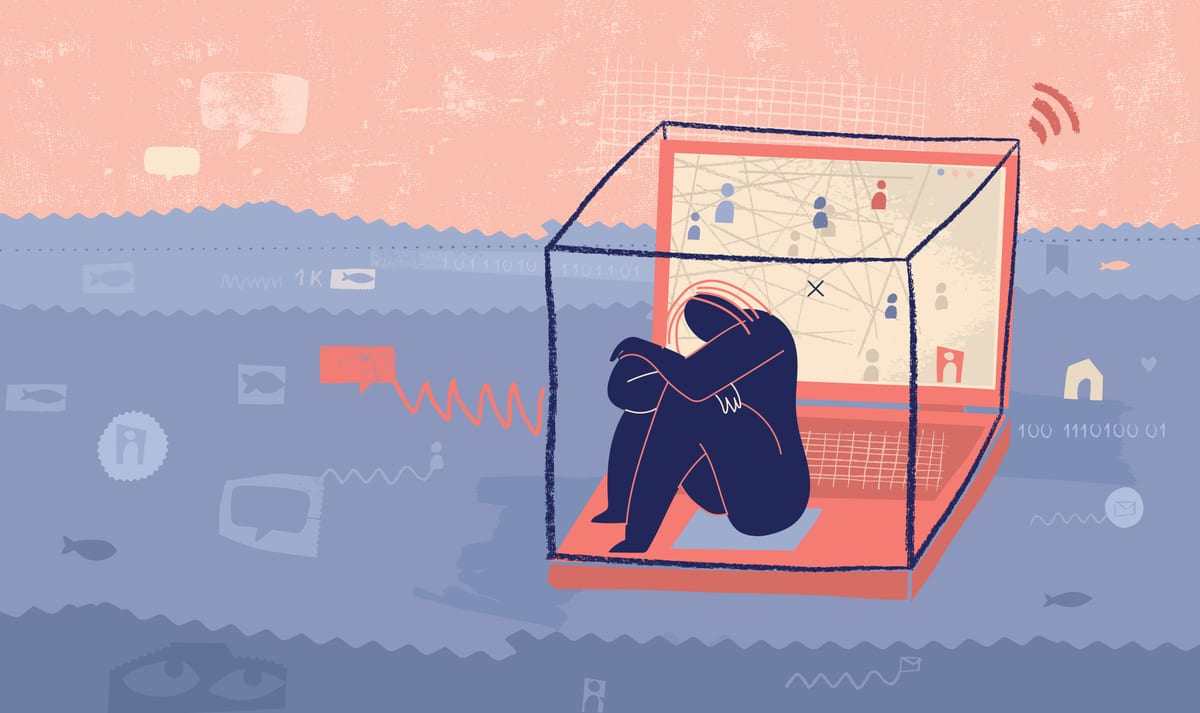
Emotional and Behavioral Disorders: Identification and SupportEmpower Change: Master the Art of Understanding and Supporting Emotional and Behavioral Challenges
15 lessons · 7 hours · 0.7 ceus
 Close

Empowering Voices, Transforming Lives: Tailored Speech and Language Excellence for All Abilities
15 lessons · 7 hours · 0.7 ceus
Let your curiosity lead.Are you passionate about helping children communicate more effectively and eager to make a difference in their educational journey? Our course, 'Speech and Language Interventions for Special Needs Students,' is designed with you in mind. This comprehensive program equips educators, therapists, and family members with the tools needed to support special needs students in developing vital communication skills. By focusing on practical, actionable strategies, the course enables you to address the diverse challenges faced by students with speech and language disorders, helping them connect meaningfully with their world.
Throughout this course, you'll explore a variety of intervention techniques tailored to specific conditions like dyslexia, autism, and Down syndrome. From learning to implement individualized language support strategies to understanding the intricacies of crafting effective IEPs, you'll gain a deep understanding of speech and language assessments. You'll discover how technology innovations, such as AI-driven apps and AAC tools, can transform communication for special needs students, enabling them to express themselves more confidently and engage socially in new, empowering ways.
One distinctive feature of this course is its emphasis on collaboration -- not just within the classroom but also with families and other professionals. You'll learn how to create seamless partnerships that integrate communication goals with everyday activities and cultural contexts, fostering a supportive environment where students thrive. By the end of the course, you'll have a toolkit of strategies that enhance vocabulary development, articulation, and auditory skills, ensuring you can tailor your approach to meet the individual needs of each child.
Whether you're an educator, therapist, or parent, our course offers you the knowledge and confidence to make a positive impact. Join us to discover how every interaction can become a stepping stone towards more effective communication. Your journey to empower special needs students with groundbreaking speech and language interventions starts here. Let's get started!
15 lessons · 7 hours · 0.7 ceus
The school years see children refining complex language skills, but challenges like dyslexia require specific, multimodal intervention strategies to enhance learning experiences. Utilizing technologies like TAVSS and encouraging peer-assisted activities fosters interactive language skill development.
Speech and language disorders encompass a variety of challenges like articulation and fluency, impacting students' ability to communicate effectively in academic and social settings. Through targeted assessments and early detection, teachers can implement customized interventions to address specific student needs, empowering them to thrive.
Speech and language assessments for special needs students are pivotal, as they foster customized educational approaches through comprehensive evaluations of a student's verbal and non-verbal communication abilities. This dynamic assessment process ensures that IEPs remain relevant, empowering students through targeted, interdisciplinary interventions and collaboration.
Combining articulation techniques with phonological strategies allows for comprehensive speech interventions that cater to diverse needs, encouraging incremental learning and positive reinforcement. Family involvement and peer-mediated activities further support language development outside traditional therapeutic settings.
Technological advancements in AAC, such as AI-driven predictive text and context-aware interactions, elevate the communication experience for special needs students, offering dynamic and intuitive solutions. These innovations not only facilitate expression but also empower students to engage confidently with their surroundings, fostering socio-emotional growth.
Early intervention plays a critical role in improving adaptive behaviors and social skills in children with autism. Collaborating with families and professionals ensures strategies are personalized and integrated across home and school, promoting consistency in learning experiences.
Early and comprehensive interventions that include speech clarity and movement exercises significantly enhance long-term language skills for students with Down Syndrome. Assistive technologies, like Picture Exchange Communication Systems (PECS), play a vital role by bridging comprehension and verbal expression gaps.
With AI-powered apps, rural families can now access top-notch speech therapy, overcoming geographical and financial barriers. These intelligent apps adjust lessons to individual needs, creating a uniquely personalized learning journey that significantly elevates speech capabilities.
Routines and cultural contexts within a family offer a fertile ground for language enhancement, allowing children to learn vocabulary and narrative building through daily interactions. Families can creatively integrate language learning into everyday activities like cooking and storytelling.
Integrating speech and language objectives with curriculum standards transforms educational activities into rich learning opportunities, enhancing cognitive and communication skills. Role plays and visual aids, tailored to support diverse learners, allow students to engage meaningfully with content, fostering both comprehension and language proficiency.
Cultural competence is crucial in fostering understanding and inclusivity in diverse classroom settings, where communication norms may vary. By incorporating culturally responsive strategies and activities, educators can nurture an environment of respect and support, ensuring that all students feel valued and included in their educational journey.
Recognizing and addressing the unique vocabulary requirements of each student, especially those with special needs, is vital in creating supportive learning environments. Through collaboration, formal assessments, and innovative tools, educators can design personalized strategies that aid vocabulary growth and language proficiency.
Intervention strategies for articulation disorders involve exercises tailored to individual speech challenges, including phonetic placement therapy. Progress tracking is essential to adapt interventions and celebrate each child's communication milestones.
Developing auditory discrimination skills is vital for language acquisition and improved communication among special needs learners facing auditory challenges. With the aid of technology and environmental modifications, students can better manage auditory information, ultimately leading to enhanced educational performance and social integration.
Multidisciplinary collaboration maximizes student development, with insights from psychologists addressing emotional resilience and social skills, complementing SLPs' communication strategies and educators' academic context. Occupational therapists focus on integrating sensory and physical components, creating a holistic approach supporting students' engagement with the world.
More ideas connected to your curiosity.
Empower Change: Master the Art of Understanding and Supporting Emotional and Behavioral Challenges
15 lessons · 7 hours · 0.7 ceus
Empowering Connections, Enriching Lives
15 lessons · 5 hours · 0.5 ceus
Unlock Potential: Empowering Every Learner's Voice
15 lessons · 5 hours · 0.5 ceus
Empowering Support, Enhancing Success: Elevate Your Impact in Special Education
15 lessons · 3 hours · 0.3 ceus
Empowering Abilities: Transforming Learning with Innovative Tools
15 lessons · 6 hours · 0.6 ceus
Unlocking Potential: Empowering Twice-Exceptional Learners
15 lessons · 5 hours · 0.5 ceus
Empower Learning, Together: Transform Your Classroom with Co-Teaching Excellence
15 lessons · 5 hours · 0.5 ceus
Enhance Learning: Transform Classrooms for Every Sensory Need
15 lessons · 4 hours · 0.4 ceus
Empowering Abilities: Nurturing Executive Function in Every Learner
15 lessons · 3 hours · 0.3 ceus
Empowering Partnerships, Enriching Futures
15 lessons · 3 hours · 0.3 ceus