
Fashion & Personal Style
Education Policy and Reform: Impact and ImplicationsShaping Tomorrow's Schools, Today
15 lessons · 3 hours · 0.3 ceus
 Close
Shaping Tomorrow's Schools, Today
15 lessons · 3 hours · 0.3 ceus
Let your curiosity lead.Are you curious about how education shapes societies and how policies impact learning environments? Our course, 'Education Policy and Reform: Impact and Implications,' offers a fascinating dive into the interplay between educational structures and societal progress. More than just a historical overview, this course illuminates the mechanisms behind modern educational reforms and their critical role in shaping inclusive and equitable learning experiences.
You'll explore how governments and institutions around the world drive change, with examples like Finland's equity-focused funding system and the U.S.'s Title I initiatives providing real-world context. Discover how globalization is transforming education, fostering critical thinking, and promoting global citizenship through programs like the International Baccalaureate. With a closer look at how education is adapting to meet the diverse needs of today's students, you'll learn about inclusive strategies that support diverse learning requirements, ensuring every student has access to quality education.
Our course also highlights cutting-edge innovations that are redefining how we teach and learn. See how virtual and augmented reality make subjects come alive, transforming abstract concepts into immersive experiences. Understand contemporary debates on school choice and standardized testing to grasp their potential and their challenges. Through lessons on teacher evaluation and educational funding debates -- and with insights drawn from across the globe -- you'll acquire a comprehensive understanding of why educational reform matters and how it is applied practically.
Join us to deepen your understanding of these pressing issues and gain the skills to contribute thoughtfully to conversations about education in your community. With a friendly and informed approach, we're here to guide you through this enriching exploration of education policy and reform, making the complex world of educational systems both understandable and approachable. Come prepared to think critically and unleash your curiosity; there's a seat waiting for you in this stimulating course.
15 lessons · 3 hours · 0.3 ceus
Education's evolution from ancient civilizations to today's digital age reflects deep-rooted traditions and contemporary innovations, highlighting structured schooling's enduring impact on societal progress. By understanding historical educational philosophies, learners gain insight into modern reforms needed to ensure inclusivity and equality in an interconnected world.
Leveraging significant funding, such as in Finland, governments enhance educational equity and quality, bridging gaps in underserved areas by providing essential resources. Policy interventions like Title I funding in the USA demonstrate targeted efforts to overcome disparities and improve educational outcomes.
As societies become more integrated, educational institutions are adopting intercultural programs like the International Baccalaureate to promote critical thinking and global citizenship. The rise of digital learning further democratizes education, while competency-based models emphasize practical skills essential in the global job market.
Inclusive education policies aim to create supportive and collaborative learning environments that accommodate diverse student needs, ensuring equitable access to quality resources. Initiatives like differentiated instruction and cultural competence training for teachers enhance student engagement and understanding, paving the way for a more inclusive educational experience.
School choice, with options like charter schools and vouchers, is reshaping educational landscapes by offering alternatives to traditional public schooling, spurring debates on its impacts on equity and quality. While it fosters competition potentially elevating educational standards, challenges like segregation and unequal access remain crucial issues demanding nuanced solutions.
Standardized testing, once a staple in education, now stands at the crossroads of tradition and innovation, stirring debate among educators and policymakers. Strategies integrating formative assessment, portfolio reviews, and adaptive learning technologies promise a more comprehensive approach to understanding student achievements and potential.
Virtual and augmented reality make learning immersive, enabling students to explore concepts in depth and overcome limitations of physical field trips. Such technologies enhance comprehension and accessibility, providing experiential learning for subjects requiring visual understanding.
The transformation of teacher evaluations reflects a broader trend toward accountability and educational quality enhancement. By adopting data-driven, nuanced assessment systems, education policies aim to support teacher development while enhancing student learning experiences.
Progressive ideologies have challenged traditional education models, promoting experiential and student-centered learning to foster critical thinking. This shift away from rote memorization has paved the way for new educational methodologies prioritizing holistic student development.
Public schools symbolize democratic ideals by ensuring inclusive education irrespective of socioeconomic status, though disparities persist due to funding models reliant on property taxes, whereas private schools leverage tuition and endowments to maintain flexible, often elite learning environments. The debate on educational equity permeates school choice discussions, highlighting the potential for resource diversion from public institutions and necessitating careful policy contemplation to enhance educati
Globally, countries mirror the U.S. struggles with apartheid and resource distribution, highlighting persistent educational inequities. Modern policies now emphasize inclusivity and holistic approaches, integrating cultural, emotional, and community engagement elements for comprehensive interventions.
In modern education, innovation is crucial for adapting to diverse learning needs, integrating digital tools to foster immersive learning experiences. Personalization through adaptive technologies tailors lessons, enabling effective mastery at individual paces while project-based and competency-based models enhance real-world skills and equitable access.
Private funding allows for autonomous school operation and specialized curricula, often excelling in certain areas, but critics argue it deepens socio-economic educational divides. Finland’s reform to prioritize public education eliminated most private schools to level opportunities, setting a high-achieving global benchmark.
Bilingual programs in diverse areas help maintain heritage languages and improve language acquisition through strong partnerships with cultural organizations. This dual approach, as seen in Southern California, empowers students to honor their roots while excelling in new linguistic environments.
With its ability to customize learning experiences, AI promotes inclusivity by catering to individual student needs, enhancing understanding. Concurrently, policy shifts focusing on infrastructure and teacher training are crucial for the successful implementation of these technologies.
More ideas connected to your curiosity.
Shaping Tomorrow's Schools, Today
15 lessons · 3 hours · 0.3 ceus
Empower Tomorrow's Citizens Today
15 lessons · 7 hours · 0.7 ceus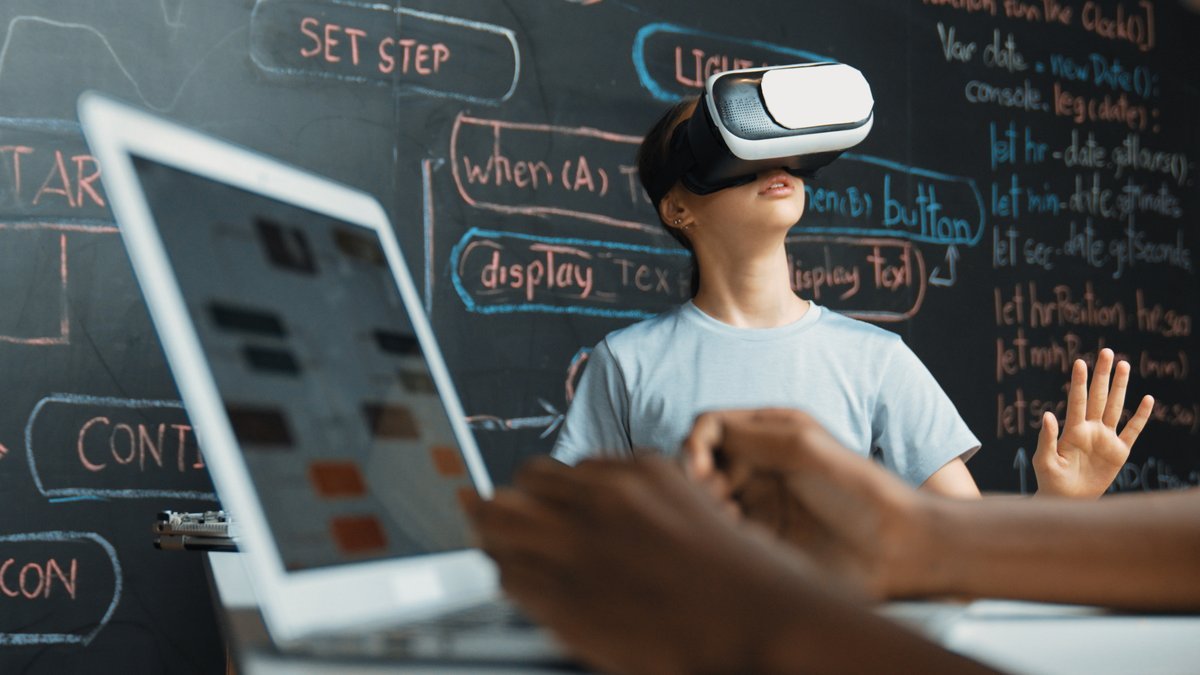
Transform Learning into Play: Unlock Potential with Gamification!
15 lessons · 4 hours · 0.4 ceus
Empowering Minds, Transforming Futures
15 lessons · 3 hours · 0.3 ceus
Empower Every Mind: Innovate Learning, Unlock Potential
15 lessons · 3 hours · 0.3 ceus
Empower Tomorrow's Classroom Today
15 lessons · 7 hours · 0.7 ceus