Entrepreneurship
Implementing School-Wide Literacy ProgramsEmpower Every Student: Transform Literacy School-Wide
15 lessons · 5 hours · 0.5 ceus
 Close
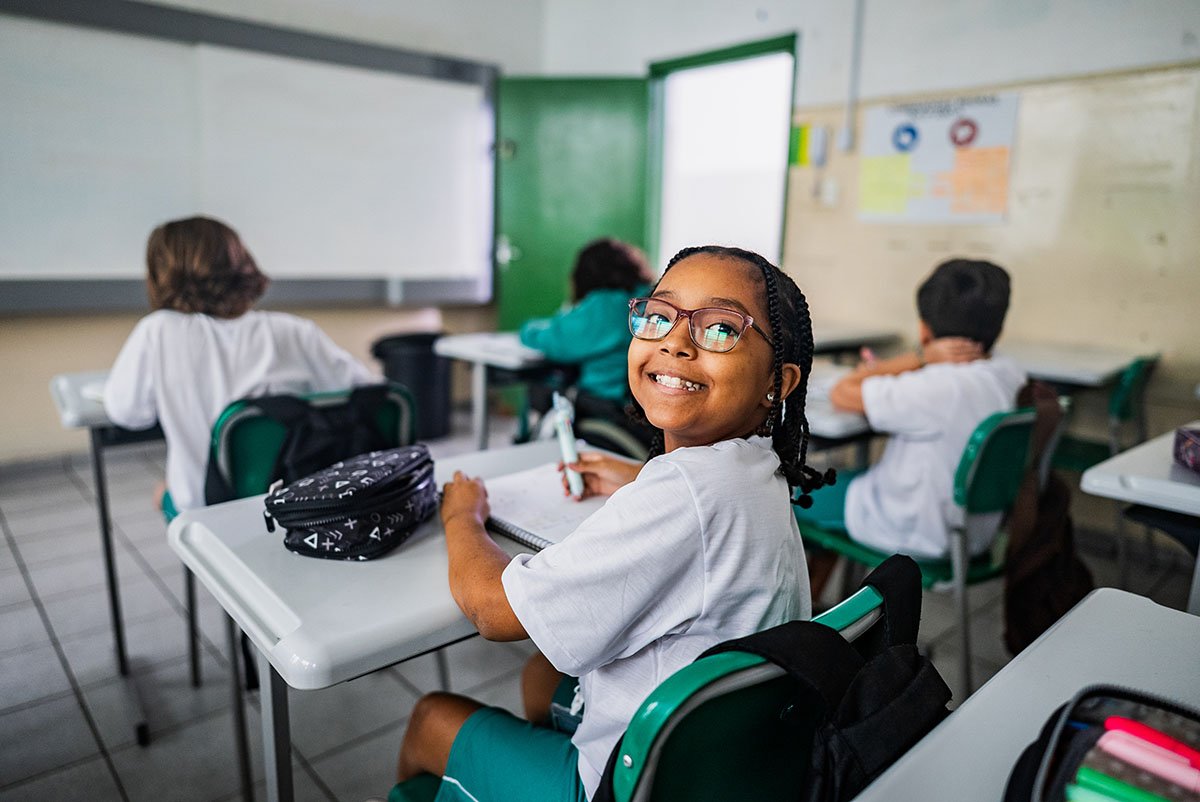
Empower Every Voice, Transform Every Space
15 lessons · 5 hours · 0.5 ceus
Let your curiosity lead.Are you eager to create a classroom environment where every student feels valued and engaged? 'Building Inclusive Classrooms' is designed just for you. This course equips educators with practical strategies to embrace diversity and cultivate inclusivity in their teaching practices. You'll explore topics such as cultural identity, differentiated instruction, and effective communication, all while learning to address and mitigate implicit biases. By tailoring your approach to meet the diverse needs of students, you'll enhance engagement and foster an equitable learning atmosphere.
Through innovative tools like Virtual Reality and Assistive Technology, you'll learn to craft personalized educational journeys that accommodate all learning styles and backgrounds. Real-world applications of social and emotional learning will also empower you to nurture both academic achievement and emotional well-being. Whether you're a seasoned teacher or new to education, gaining these skills will support you in building a harmonious and inclusive classroom. Join us, and open the door to enriching educational experiences for every student.
15 lessons · 5 hours · 0.5 ceus
Recognizing and accommodating students' cultural backgrounds and problem-solving methods enriches understanding and respect. Teachers using culturally relevant pedagogies increase student engagement by connecting learning to their experiences.
The transformative power of differentiated instruction lies in tailoring educational experiences with technology, allowing educators to harness tools like Virtual Reality for immersive learning that addresses all learning styles. Equitable access to technology ensures that every student, regardless of background, can engage with these innovative approaches and achieve their potential.
Integrating cultural identity into the educational landscape supports an inclusive environment, facilitating empathy and personalized learning. Acknowledging each student’s cultural background provides educators insights to bridge educational divides and foster global citizenship.
The essence of differentiated instruction lies in recognizing student diversity and adapting teaching methods accordingly. By integrating flexible activities and assessments, educators ensure that each learner's educational experience is relevant, accessible, and stimulating.
Strategies like bias-awareness training and reflective practices help educators identify and reduce implicit biases, leading to more equitable classroom dynamics. Schools committed to these strategies can nurture environments where all students feel valued and understood.
Understanding the difference between equity and equality is essential for creating inclusive classrooms that meet the diverse needs of all students. While equality provides the same resources to everyone, equity tailors support to individual needs, acknowledging varied backgrounds and systemic imbalances.
Differentiated instruction lies at the heart of inclusive education, enabling teachers to meet diverse learning styles and backgrounds through adaptive lesson plans, student choice, and tailored assessments. Utilizing technology and social-emotional learning, educators create environments for students to realize their full potential while celebrating individuality and fostering inclusive dialogues.
Recognizing mental health as a critical component of accessibility, educators can create supportive environments that promote well-being and academic success. Initiatives like mindfulness practices equip students with coping strategies that improve focus and resilience.
Integrating SEL in education enhances academic performance while reducing behavioral issues and fostering emotional well-being. Empirical studies confirm that SEL participants outperform peers, showing reduced distress and improved engagement, setting the stage for lifelong empathetic citizenship.
Celebrating diversity within classrooms requires effective communication strategies, including active listening and the use of inclusive language. By acknowledging varied student backgrounds and learning preferences, teachers can create an inviting, equitable space that encourages full participation.
UDL emphasizes different means of representation, using varied formats like audiobooks and infographics to make learning more accessible and engaging for all students. By incorporating guest speakers and digital media, educators broaden perspectives and enrich classroom experiences beyond conventional boundaries.
Cultural competence in education involves understanding and responding to the diverse backgrounds of families, enhancing classroom inclusivity. By recognizing familial contexts and religious observances, educators craft responsive learning experiences.
Understanding and addressing implicit biases helps educators provide equal opportunities for all students. Collaborative classroom norms and active listening foster a culture of respect.
Multimedia is vital in catering to diverse learning styles, enhancing engagement through varied formats such as videos, audiobooks, and simulations. By customizing content to meet visual, auditory, and kinesthetic needs, educators create versatile learning experiences that elevate understanding and retention.
The journey towards inclusivity in classrooms aligns reflective practices with strategic goals, transforming diversity into a source of collective learning and growth. Emphasizing empathy and understanding, inclusion fosters essential life skills among students.
More ideas connected to your curiosity.
Empower Every Student: Transform Literacy School-Wide
15 lessons · 5 hours · 0.5 ceus
Illuminate Your Path: Unveil the Power of Auras and Energy Fields
15 lessons · 4 hours · 0.4 ceus
Master Balance, Live Harmoniously
15 lessons · 6 hours · 0.6 ceus
Cultivate Harmony, Foster Growth
15 lessons · 6 hours · 0.6 ceus
Empower Your Mind: Conquer Challenges with Clarity
15 lessons · 5 hours · 0.5 ceus
Unlock Your Potential: Discover How You Learn Best
15 lessons · 7 hours · 0.7 ceus
Fostering Inclusion, Empowering Minds: Culturally Responsive Teaching for a Diverse World
15 lessons · 5 hours · 0.5 ceus
Empower Tomorrow's Classroom Today
15 lessons · 7 hours · 0.7 ceus
Savor Wellness: Fuel Your Life with Flavor!
15 lessons · 5 hours · 0.5 ceus
Master Behavioral Insights: Transform Analysis into Action
15 lessons · 3 hours · 0.3 ceus
Unleash Your Inner Bracketologist!
15 lessons · 4 hours · 0.4 ceus
Empower Tomorrow's Leaders Today
15 lessons · 4 hours · 0.4 ceus