
Home & Everyday Living
Introduction to Data AnalyticsUnlock Insights, Empower Decisions
15 lessons · 6 hours · 0.6 ceus
 Close

Empowering Minds, Transforming Futures
15 lessons · 3 hours · 0.3 ceus
Let your curiosity lead.Are you eager to redefine education and embrace a more holistic approach to learning? Our 'Holistic Approaches to Education' course invites you to explore innovative methods that nurture the whole student, integrating emotional intelligence, physical well-being, and academic achievement. You'll discover how principles of balance and interconnectedness can transform classrooms into dynamic spaces where students thrive both intellectually and emotionally.
Imagine fostering students' curiosity through nature-based learning or enhancing their cognitive skills with yoga and meditation. Embrace the power of art, music, and mindful practices to cultivate emotional intelligence, adaptability, and empathy. With a focus on inclusivity and diversity, this course equips you to create a supportive and engaging environment that respects and celebrates individual backgrounds and learning preferences.
Ready to embark on this transformative educational journey? Join us to shape the future of education and become a catalyst for positive change in your classroom. We're excited to support your growth as an educator and partner in learning.
15 lessons · 3 hours · 0.3 ceus
Principles like balance and interconnectedness in holistic education guide students in navigating an increasingly complex world. By integrating emotional learning and experiential practices, holistic education emphasizes the importance of emotional well-being alongside academic achievement.
Physical education, a crucial component of holistic learning, intertwines physical activity with academic growth, optimizing brain function and academic performance. Incorporating movement and kinesthetic learning elevates concentration and stress management while fostering teamwork and environmental stewardship through activities like yoga, hiking, or community projects.
Implementing emotional intelligence strategies like mindfulness and reflective activities in classrooms enriches learning experiences, fostering emotional growth alongside intellectual development. These practices cultivate adaptability, resilience, and collaboration, essential for success in rapidly evolving environments.
Mindfulness transforms education by fostering awareness and reducing stress, benefiting both individual students and the learning environment. Through techniques like focused breathing, students improve concentration, manage emotions, and develop resilience and empathy.
Teachers play a crucial role in promoting cultural understanding by implementing differentiated instruction that caters to the diverse needs of students, leveraging cultural backgrounds to enhance learning. Technology also supports inclusive education through virtual exchanges, allowing students to connect globally and gain firsthand cultural insights.
Nature-based learning transcends traditional teaching by incorporating outdoor and experiential education into academic instruction, promoting well-being and cognitive development. This intertwining of learning with nature cultivates a sense of responsibility and stewardship for the environment.
Mindfulness enhances emotional intelligence by promoting self-awareness and emotional regulation, thus preparing students to handle academic and personal pressures calmly. With mindfulness as part of their education, students become equipped to make thoughtful decisions and manage stress effectively.
Incorporating feedback mechanisms into CRM strategies is essential for aligning business offerings with customer needs and expectations, utilizing real-time data and predictive analytics for more personalized experiences. Sentiment analysis and feedback loops empower businesses to act on customer insights, fostering trust and engagement.
Rooted in ancient traditions, yoga and meditation have transcended cultural boundaries to enrich modern education, enhancing both cognitive skills and emotional intelligence. Schools worldwide adopt these practices to reduce stress, improve focus, and cultivate a holistic view of student development.
Recognizing diverse learning preferences and cognitive abilities in education supports personalized learning strategies that enhance student engagement. The lesson underlines the importance of addressing physical, emotional, and socio-cultural needs within educational frameworks to nurture well-rounded, knowledgeable individuals.
Art stimulates critical thinking and problem-solving, while sculpting fosters spatial awareness and fine motor skills. Music education, linked to mathematics, enhances memory, attention, and social empathy, crucial for navigating complex global landscapes.
The integration of cognitive development and learning styles within adaptive technologies offers personalized educational pathways, enhancing learning outcomes through differentiation and responsive teaching methods. Holistic education further acknowledges emotional intelligence as indispensable for navigating interpersonal dynamics effectively.
Engaging families enhances education, bridging school and home, while promoting a supportive learning environment. Active parental participation boosts student motivation, self-esteem, and academic performance, creating a virtuous cycle of community-driven educational support.
Experiential learning, thriving on the synergy of mind, body, emotions, and spirit, transcends traditional education by fostering deep engagement and personal growth among learners. By emphasizing real-world application through hands-on activities like ecological explorations and civic projects, this approach cultivates students' critical thinking and reflective skills.
Holistic assessments blend emotional and social learning with academic metrics for a rounded educational approach. Digital portfolios and culturally aware techniques chart impressive personal growth and collaborative skills essential for modern life.
More ideas connected to your curiosity.
Unlock Insights, Empower Decisions
15 lessons · 6 hours · 0.6 ceus
Unlock The Secrets Beyond Reality
15 lessons · 4 hours · 0.4 ceus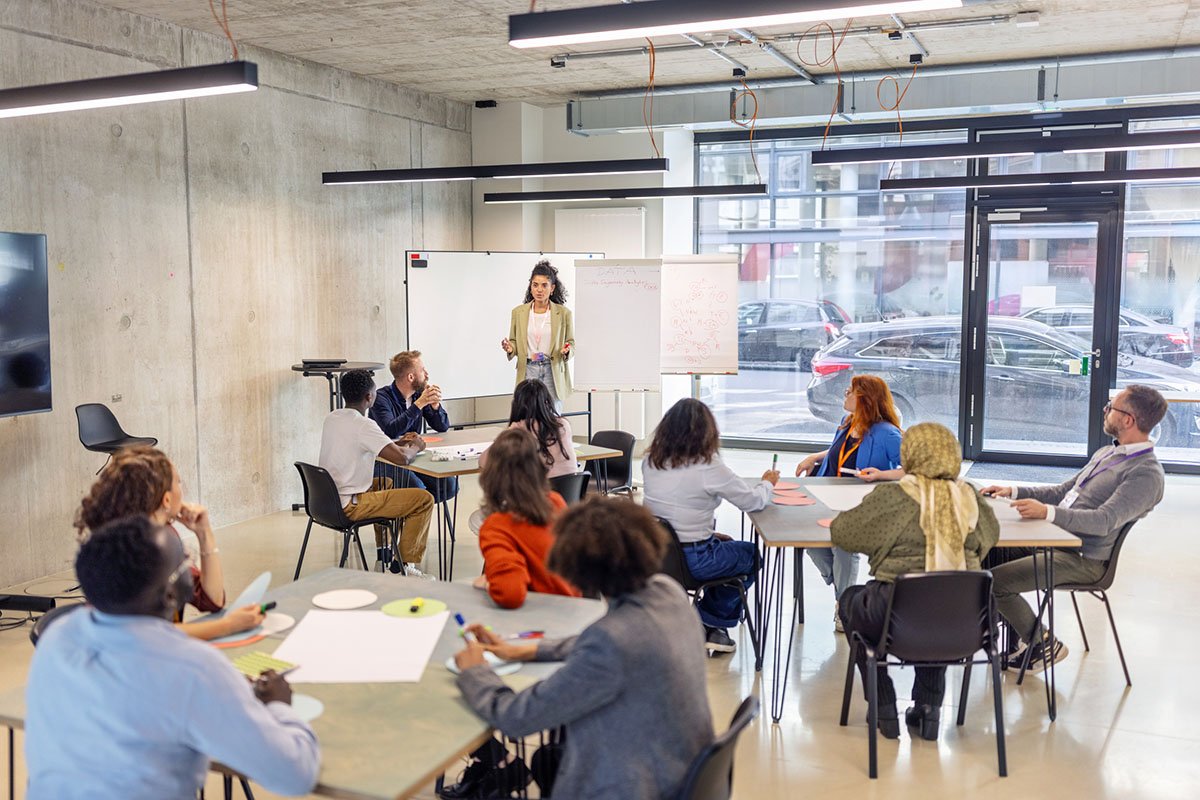
Empower Your Home, Master the Basics
15 lessons · 4 hours · 0.4 ceus
Transform Your Space, Simplify Your Life
15 lessons · 4 hours · 0.4 ceus
Empowering Educators, Unlocking Potential
15 lessons · 7 hours · 0.7 ceus
Discover the Future of Elegance: Master the Art of Luxurious Transformation
15 lessons · 6 hours · 0.6 ceus
Unlock the Secrets to Harmonious Family Connections
15 lessons · 3 hours · 0.3 ceus
Empower Minds, Elevate Futures: Championing Equity and Justice in Education
15 lessons · 4 hours · 0.4 ceus
Empower Your Connections Through the Wisdom Within
15 lessons · 6 hours · 0.6 ceus
Empower Growth, Embrace Positivity
15 lessons · 3 hours · 0.3 ceus
Unleash Your Potential, Transform Your Future
15 lessons · 4 hours · 0.4 ceus
Unlock Your Potential, Embrace Limitless Growth
15 lessons · 5 hours · 0.5 ceus