
Psychology
Creating a Culture of CollaborationUnite Minds, Ignite Progress
15 lessons · 4 hours · 0.4 ceus
 Close

Empower Education Through Innovative Blended Learning Models
15 lessons · 7 hours · 0.7 ceus
Let your curiosity lead.In the ever-evolving landscape of education, the 'Blended Learning Models in Schools' course is your gateway to pioneering teaching methods that seamlessly integrate traditional classroom experiences with cutting-edge digital technology. You'll gain practical insights into how blended learning fosters a dynamic environment where students can thrive, learning at their pace while engaging with diverse multimedia resources. We address challenges like equitable tech access head-on, exploring solutions that enhance learning for all students. By understanding how to implement tools like Google Classroom and incorporate interactive elements such as virtual reality, you'll be equipped to create inclusive, adaptable, and engaging classrooms. You'll leave this course ready to transform your educational setting into a vibrant learning space, where you can tailor learning experiences to meet the diverse needs of your students. Join us to explore how blended learning prepares students for success in a technology-driven world and start shaping the future of education today!
15 lessons · 7 hours · 0.7 ceus
Technological growth has empowered blended learning through platforms like Google Classroom, facilitating seamless communication and resource management between students and teachers. Despite vast benefits, challenges such as equitable access to technology persist, necessitating solutions like device lending programs to overcome the digital divide.
Blended learning merges traditional teaching with digital technology, evolving significantly since its mid-20th century roots. It provides flexible, personalized education tailored to diverse learning styles, fostering deeper student engagement.
The intersection of technology and education in blended learning offers transformative potential, renewing student engagement through flexible and personalized approaches. Students benefit from the autonomy to learn at their own pace, complemented by diverse multimedia resources that accommodate various learning styles.
The integration of digital tools in education offers flexibility and access equity, bridging gaps due to socio-economic or geographic limitations. As these tools evolve, they promise further customization and enriched learning experiences, preparing students for an industry-aligned future.
Virtual and augmented reality revolutionize education by offering immersive experiences that capture students' imaginations, facilitating profound learning. Using these technologies, historical events, or distant planets become accessible classrooms available to any learner willing to explore.
In the flipped classroom, video modules and readings replace traditional lectures, allowing classroom sessions to focus on targeted discussions and experiential learning. This shift fosters self-directed learning, improves student-teacher interactions, and equips learners with skills essential for success in an evolving world.
Hybrid learning promotes inclusivity and accessibility, ensuring students can access resources regardless of personal or logistical constraints. By merging digital and in-person formats, students gain valuable skills for lifelong learning and adaptability in a digital world.
Blended learning models embrace technological advancement and personalized learning techniques to optimize student success, allowing learners to move at their own pace and focus on mastery. By leveraging competency-based progression and tailored resources, educators offer a transformative educational journey that fosters adaptability and critical thinking.
Incorporating gamification into collaborative environments brings an engaging twist to learning, motivating students through interactive and competitive elements. Tools like Kahoot! and Quizizz not only make assessments enjoyable but also reinforce essential skills like teamwork and adaptive thinking.
Analytics and data-driven insights transform blended learning by providing educators with tools to understand student engagement and learning patterns. This information allows for the creation of tailored teaching strategies that align more closely with diverse learner needs.
Integrating technology into classroom management within blended learning models transforms classrooms into interactive, student-focused spaces for communication and personalized growth, allowing teachers to use digital tools to boost engagement and inclusivity. By leveraging data analytics from platforms like Google Classroom, educators can customize learning experiences, improving educational outcomes and empowering students to learn at their own pace.
As digital tools reshape classrooms, digital literacy stands as a key competency, encompassing the evaluation, use, and creation of digital content. The integration of technology into lessons enriches learning experiences, encourages creativity, and prepares students for an increasingly interconnected world.
Blended learning transforms education by combining digital literacy and traditional pedagogy, fostering adaptability and resilience in students. Technological infrastructures and LMS platforms are vital, encouraging global collaboration and preparing learners for lifelong success.
The digital divide challenges underfunded schools in rural and urban areas, constraining students’ access to essential learning tools. Addressing this involves device lending programs and local infrastructure improvements, fostering better educational attainment.
Blended learning revolutionizes education by combining in-person and online learning, personalized to diverse student needs through platforms like LMS and AI tools. This dynamic approach enables customized instruction, enhances engagement with immersive technologies, and addresses global educational accessibility while fostering effective data-driven strategies.
More ideas connected to your curiosity.
Unite Minds, Ignite Progress
15 lessons · 4 hours · 0.4 ceus
Transform Learning, Empower Every Student.
15 lessons · 5 hours · 0.5 ceusEmpower Your Mind, Transform Your World
15 lessons · 5 hours · 0.5 ceus
Unlocking Potential Through Partnership
15 lessons · 3 hours · 0.3 ceus
Empower, Inspire, Retain: Cultivating Thriving Educators
15 lessons · 3 hours · 0.3 ceus
Empower Every Voice, Transform Every Space
15 lessons · 5 hours · 0.5 ceus
Transforming Education: Empowering Minds, One Flip at a Time
15 lessons · 5 hours · 0.5 ceusInnovate, Inspire, Impact: Transform Your Teaching Today
15 lessons · 5 hours · 0.5 ceus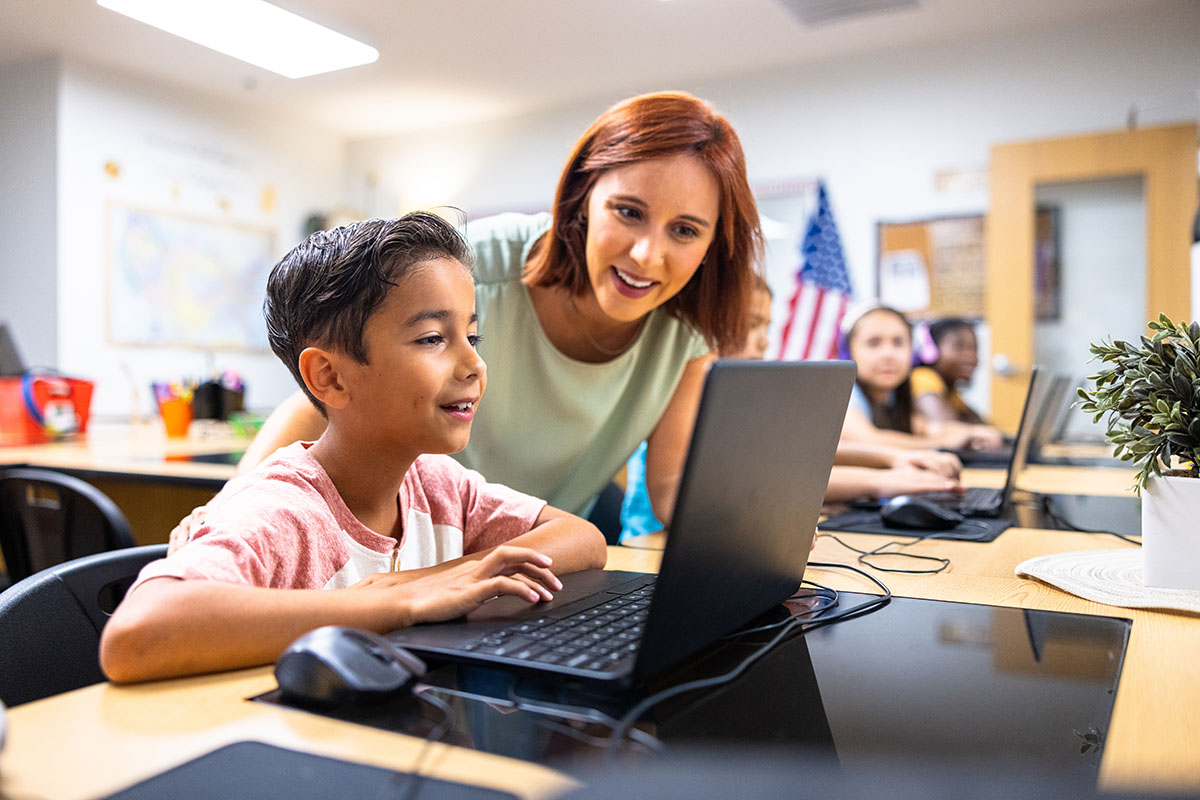
Designing Tomorrow's Learning, Today
15 lessons · 4 hours · 0.4 ceus
Shaping Tomorrow's Schools, Today
15 lessons · 3 hours · 0.3 ceus