
Leadership and Management
Understanding Social Media for BusinessHarness Social Power: Elevate Your Brand's Digital Presence
15 lessons · 5 hours · 0.5 ceus
 Close
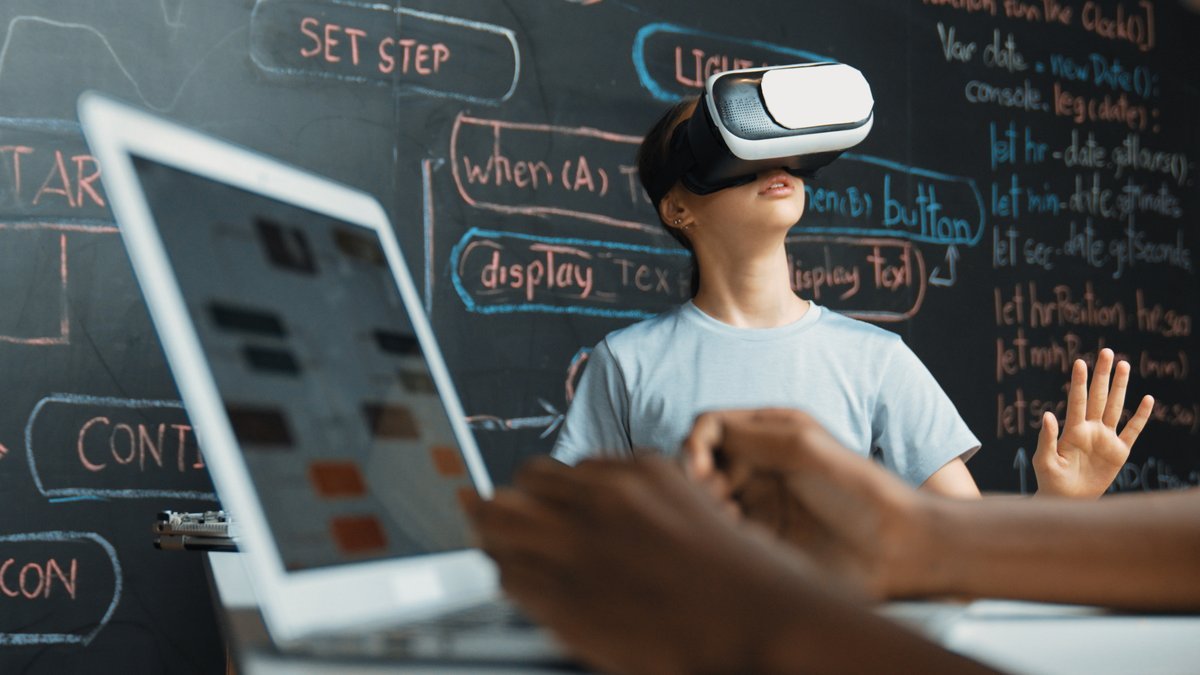
Transform Learning into Play: Unlock Potential with Gamification!
15 lessons · 4 hours · 0.4 ceus
Let your curiosity lead.Are you curious about how games can change the way we learn and teach? Dive into our 'Gamification in Education' course and explore how game mechanics like points, levels, and leaderboards can turn classrooms into exciting, dynamic spaces. You'll learn how to blend game design with teaching to boost student motivation and engagement. Imagine transforming homework into quests, or lessons into interactive challenges, all while maintaining educational integrity.
Throughout the course, we delve into the psychological aspects of gamified learning, helping you craft experiences that tap into students' intrinsic motivations. Discuss future-proof strategies like utilizing VR and AR for immersive learning or integrating real-time feedback systems for personalized education. Whether you're an educator looking to invigorate your teaching methods or someone fascinated by educational technology, this course offers a canvas for creative educational change. Join us on this innovative educational path--an exciting, practical leap into the future of teaching awaits!
15 lessons · 4 hours · 0.4 ceus
Balancing gamification with educational integrity involves meticulously aligning game mechanics with learning objectives, ensuring both inclusivity and meaningful pedagogy. Overcoming challenges such as accessibility, privacy concerns, and effective teacher training is crucial for maintaining the ethical and practical implementation of gamification.
Culturally responsive teaching acknowledges students' diverse backgrounds, creating an inclusive learning environment where every identity is valued. By tailoring instruction to students' cultural contexts, educators can foster a supportive, dynamic classroom enriched by diversity.
The integration of game mechanics like points, levels, and rewards can transform education into an engaging and dynamic process by motivating students through tangible progress tracking and immediate feedback. This approach fosters a learning environment where students actively engage and internalize knowledge, preparing them for real-world problem-solving.
The psychology of gamification transforms education by leveraging intrinsic motivation, allowing students to learn out of interest rather than obligation. Key aspects include self-determination theory's principles—autonomy, competence, and relatedness—to cultivate deep engagement.
The lesson illustrates how embracing collaboration and peer support enhances language acquisition for ELLs, recognizing diverse learning styles and fostering community within classrooms. Through differentiated tasks and digital tools, students gain confidence and contribute meaningfully to their learning journeys.
Gamification transforms education by integrating game mechanics into learning, boosting engagement and retention. Through tools like badges and leaderboards, students experience learning as a rewarding journey, enhancing participation and academic performance.
Adapted assessments that employ technology and interactive formats can address the linguistic challenges faced by ELLs, ensuring fair evaluation of their knowledge. By utilizing tools like digital quizzes and online discussion forums, teachers can create dynamic, accessible learning environments that celebrate diverse student abilities and enhance comprehension.
Emerging technologies like VR and AR are expanding the horizons for gamified education, offering immersive learning opportunities that enhance traditional teaching methods. These innovations promise to bring dynamic, real-world experiences into the classroom, enriching educational landscapes and outcomes.
Engaging students through the design of thoughtful reward systems aligns with gamification strategies that catalyze both competition and collaboration. By balancing external incentives with personal insights, educators transform educational challenges into explorative quests that cultivate growth and resilience.
RPGs offer a transformative educational approach, merging storytelling with experiential learning to teach complex subjects in a memorable way. This method encourages engagement, critical thinking, and socio-emotional development, preparing students for real-world challenges.
Long-term objectives gain clarity through gamified narratives connecting educational modules, fostering a comprehensive understanding of subjects. Advanced technology integrates data analytics to assess student performance, tailoring learning experiences for personal development and targeted assistance.
Educational gamification harnesses game design to boost engagement but faces challenges in ensuring data privacy, as it weaves a tapestry of student data used for customized learning. Trust hinges on robust privacy practices, adhering to regulations like GDPR and CCPA, ensuring transparent data usage.
Adopting gamified educational methods, such as interactive storytelling and customized gameplay, fosters student motivation and engagement through enjoyable and personalized experiences. By combining rewards, feedback, and clear objectives, learning becomes both pleasurable and strategically effective.
Flow theory, developed by Mihaly Csikszentmihalyi, is pivotal in game design for education, fostering deep engagement by balancing skill level and challenge. By adapting tasks to maintain the 'flow state,' educational games promote learning and skill acquisition through immersive and flexible experiences.
Blockchain technology ensures secure storage and transfer of digital academic credentials, promoting lifelong learning across various platforms. IoT enhances the classroom experience through real-time feedback and interactions, adjusting educational content based on student interactions.
More ideas connected to your curiosity.
Harness Social Power: Elevate Your Brand's Digital Presence
15 lessons · 5 hours · 0.5 ceus
Master the Art of Digital Organization for a Streamlined Future
15 lessons · 3 hours · 0.3 ceus
Unlock New Possibilities through Trust and Growth
15 lessons · 4 hours · 0.4 ceus
Unlock the Blueprint of Effective Education
15 lessons · 5 hours · 0.5 ceus
Unlock Ancient Wisdom: Journey into Nature's Mystical Secrets
15 lessons · 6 hours · 0.6 ceus
Elevate Your Elegance, Define Your Style
15 lessons · 6 hours · 0.6 ceus
Empower Growth, Inspire Success
15 lessons · 5 hours · 0.5 ceus
Bridging Knowledge with Action for Effective Teaching
15 lessons · 5 hours · 0.5 ceus
Unlock the Power of Unspoken Connection
15 lessons · 4 hours · 0.4 ceus
Inhale Peace, Exhale Balance
15 lessons · 4 hours · 0.4 ceus
Unleash Your Vision, Transform Your Reality
15 lessons · 7 hours · 0.7 ceus
Uncover the Truth, Master the Technique
15 lessons · 4 hours · 0.4 ceus