Career & Professional Development
Implementing Project-Based LearningIgnite Innovation, Transform Learning
15 lessons · 4 hours · 0.4 ceus
 Close

Empower Minds, Bridge Disciplines: Unleash Your Curriculum Design Potential
15 lessons · 7 hours · 0.7 ceus
Let your curiosity lead.Are you eager to break away from the confines of traditional education and explore the vibrant intersections of diverse disciplines? 'Designing Interdisciplinary Curricula' invites you to discover the transformative power of merging fields like science, technology, arts, and humanities into a cohesive learning experience. You will learn how to craft curricula that not only foster critical thinking and creativity but also prepare students to address complex global challenges with innovative solutions. Through this course, you'll master the art of integrating varied subjects, enhancing adaptability and fostering dynamic problem-solving skills crucial for the 21st century.
Our distinctive approach emphasizes cultural contexts, digital advancements, and ethical reasoning, equipping you to design education that resonates with students' diverse learning styles and future career paths. Join us in connecting the dots across disciplines, nurturing a new generation of holistic thinkers ready to thrive in an interconnected world. Let's make interdisciplinary education your tool for impactful teaching!
15 lessons · 7 hours · 0.7 ceus
Through interdisciplinary curricula, students connect concepts from diverse fields, enhancing their understanding of broad issues like sustainable development. This integration promotes critical problem-solving skills, adaptable to both technological advancements and societal needs.
The Renaissance heralded a revival of blending art, science, and technology, epitomized by polymaths like Leonardo da Vinci, illustrating the transformative power of interdisciplinary learning. By weaving creativity with critical thinking, learners are empowered to contribute innovatively, intrigued by the synergy between diverse fields.
Interdisciplinary education revolutionizes learning by integrating diverse subjects, allowing students to explore complex themes like climate change through multiple perspectives, thus fostering critical thinking and problem-solving skills. This method cultivates versatile thinkers ready for a dynamic world, highlighting the necessity for holistic problem-solving in contemporary education.
The creation of interdisciplinary curricula involves harnessing overlapping concepts within subjects such as mathematics and science or language arts and history, creating a holistic educational tapestry. This approach not only supports student engagement but also sharpens skills like adaptability, creativity, and critical analysis, essential in today's interconnected world.
Interdisciplinary education breaks traditional knowledge barriers by combining insights from various fields, encouraging students to think holistically and devise creative solutions to complex global challenges. This approach fosters critical thinking, adaptability, and resilience, preparing students for diverse careers and societal contributions in a rapidly changing world.
Standards frameworks facilitate collaboration among educators by aligning pedagogical approaches to meet diverse academic targets. Integrating curricula through co-design enriches the learning journey, offering students opportunities to appreciate the interconnectedness of different subjects.
As biotechnology advances, bioethics becomes imperative, merging biological knowledge with ethical reasoning. Interdisciplinary education in this area equips students to navigate ethical dilemmas with responsibility and foresight.
The historical journey of humanities in education highlights its integration with sciences, stressing its role in fostering critical thinking and adaptability in an evolving world. By enriching interdisciplinary curricula, the humanities bridge cultural understanding and scientific inquiry, preparing students for challenges with empathy and insight.
Culturally responsive education recognizes diverse learning styles shaped by cultural norms, enriching classroom dynamics. This approach bolsters student participation by aligning teaching methods with cultural contexts, promoting inclusivity and respect.
Virtual reality, simulation software, and digital labs eliminate the constraints of traditional learning environments, enabling students in fields like biology or geography to gain hands-on experiences beyond physical limitations. This shift empowers learners to forge interdisciplinary connections, making education a dynamic and engaging adventure rather than a static acquisition of knowledge.
Combining qualitative and quantitative assessment techniques provides comprehensive evaluation frameworks for interdisciplinary studies. Portfolios, project-based assessments, and reflective essays assess students’ ability to synthesize diverse perspectives and knowledge.
Interdisciplinary curricula offer a holistic learning experience, seamlessly weaving together different disciplines to prepare students for multifaceted world challenges. By fostering collaboration and innovation, this approach arms learners with essential adaptability skills needed for future leadership.
Scaffolding in interdisciplinary learning provides the necessary support for students to integrate multiple disciplines, gradually fostering independence and critical thinking. By removing supports as proficiency increases, students develop confidence and the ability to tackle complex tasks.
Interdisciplinary education evolves by merging traditional disciplines to address complex modern challenges, rooted in historical examples like da Vinci's polymathic pursuits. It equips students with holistic skills, enabling them to tackle global issues by synthesizing diverse fields for innovative solutions.
By combining diverse fields such as science, technology, and arts, interdisciplinary curricula foster a holistic understanding, enabling students to transfer skills across contexts. This educational method empowers students to creatively tackle societal challenges, reflecting the interdisciplinary nature of contemporary workplaces.
More ideas connected to your curiosity.
Ignite Innovation, Transform Learning
15 lessons · 4 hours · 0.4 ceus
Navigate Tomorrow's Challenges with Cultural Insight
15 lessons · 4 hours · 0.4 ceus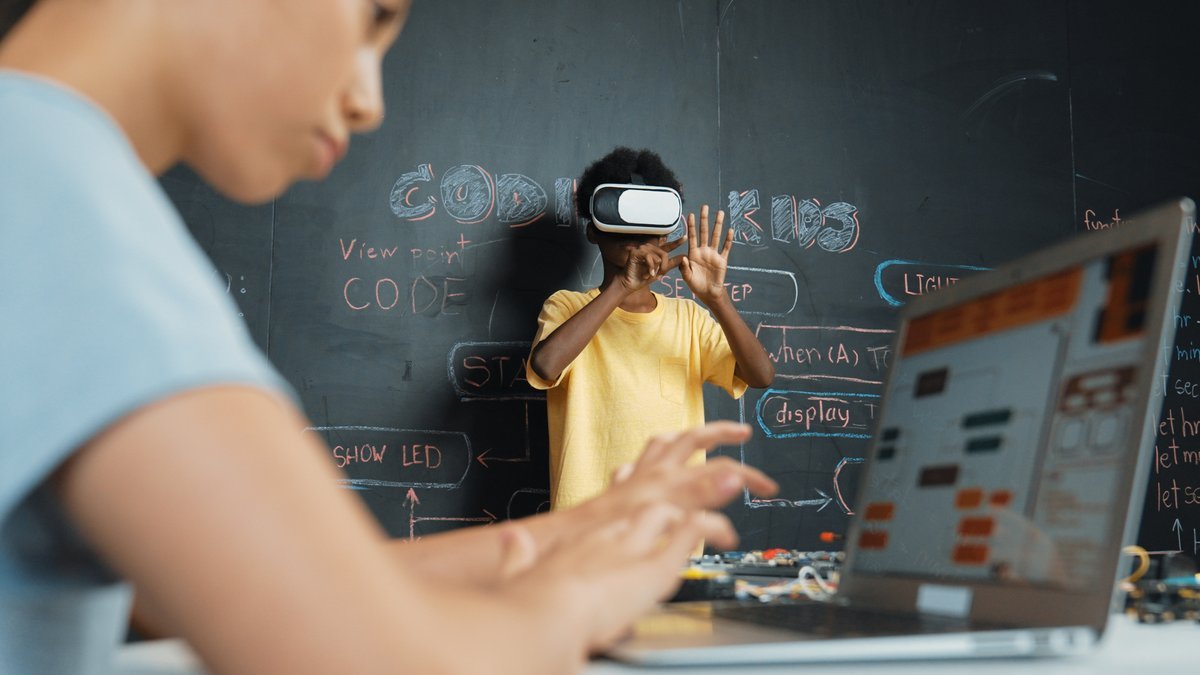
Elevate Your Learning Potential with Adaptive Innovation
15 lessons · 6 hours · 0.6 ceus
Empower, Inspire, Retain: Cultivating Thriving Educators
15 lessons · 3 hours · 0.3 ceus
Elevate Your Expression, Empower Your Education
15 lessons · 7 hours · 0.7 ceus
Unleash Creativity, Transform Learning: Infuse Arts Across Disciplines
15 lessons · 7 hours · 0.7 ceus
Empowering Educators, Unlocking Potential
15 lessons · 7 hours · 0.7 ceus
Empower Minds, Transform Futures
15 lessons · 7 hours · 0.7 ceus
Empower Tomorrow's Citizens Today
15 lessons · 7 hours · 0.7 ceus
Empower Tomorrow's Classroom Today
15 lessons · 7 hours · 0.7 ceus