Health & Wellness
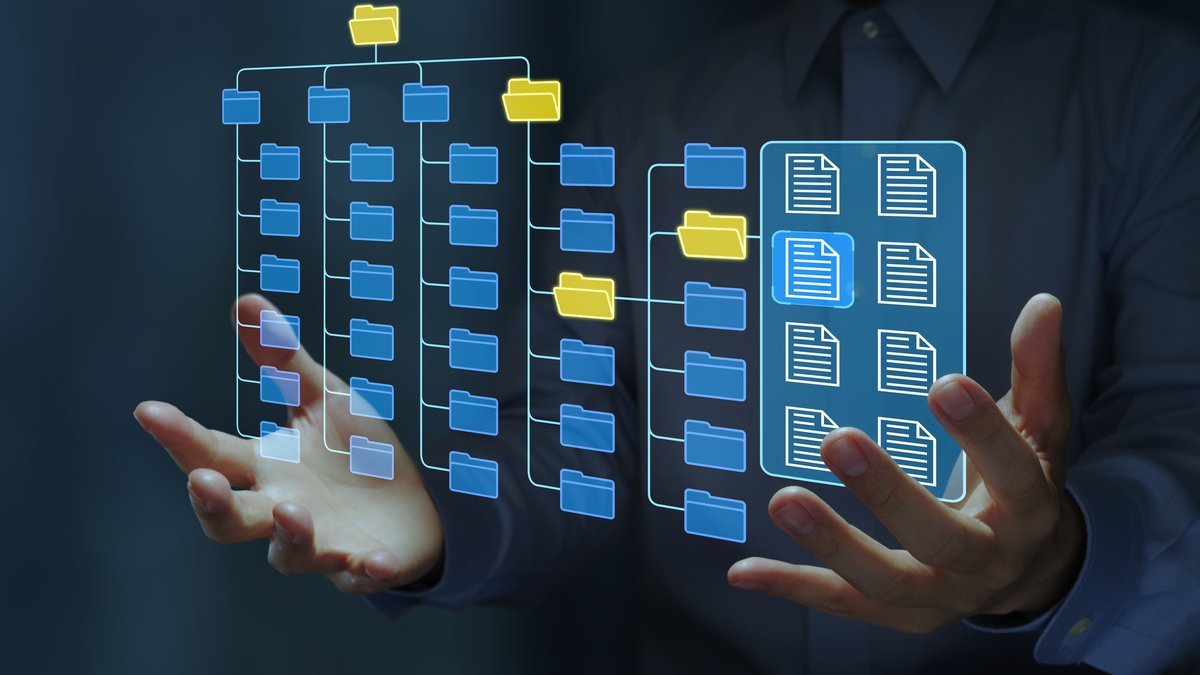
Digital Organization and File ManagementMaster the Art of Digital Organization for a Streamlined Future
15 lessons · 3 hours · 0.3 ceus
 Close
Empower Your Digital Journey: Learn the Basics,
15 lessons · 7 hours · 0.7 ceus
Let your curiosity lead.Computer Literacy Foundations
In our modern era, computers have seamlessly woven themselves into the fabric of our daily lives. From business operations to personal tasks, these machines have become indispensable. For many, this transition happened so rapidly that they felt left behind. If you've ever felt daunted by the prospect of navigating the digital realm or simply wished for a clearer understanding of how your devices work, then this course is tailor-made for you.
Course Overview:
Whether it's the moment of anticipation right before powering on a brand-new computer or the curiosity about how devices connect and communicate, we've got you covered. This course is designed with the absolute beginner in mind. It's an enriching journey that starts with understanding the very basics of a computer and culminates in mastering fundamental internet and email operations.
Course Highlights:
->
From History to Present: Begin your journey by exploring the evolution of computers. Delve into their classifications and understand the distinctions between various types of machines, all the while appreciating their transformative impact on society.
Software and Windows: While hardware is the body of a computer, software is its soul. Unravel the mysteries of operating systems, with a special emphasis on mastering the ubiquitous Windows environment.
Connectivity and the Internet: Computers aren't solitary entities; they thrive on connection. Learn about networking, the marvel that is the internet, and the protocols that serve as its backbone.
Protection in a Digital Age: In a world where data breaches make headlines and cyber threats lurk in unseen corners, arm yourself with knowledge. Understand malware, the significance of online security, and the best practices to keep your personal information safe.
Email Mastery: In our communication-centric world, emails are pivotal. Whether it's for personal correspondences or professional outreach, gain proficiency in managing emails, with a keen focus on the popular Outlook client.
Detailed Course Breakdown:
-> History and Classification of Computers: Explore the milestones that shaped computer evolution.
-> Computer Software: Dive into the realm of software, understanding its role and importance.
-> Getting Started with Windows: Acquaint yourself with the Windows interface and its basic functionalities.
-> Files, Directories, and the Control Panel: Navigate your computer with ease, organizing and controlling settings.
-> Communication Between Computers and the Internet: Unveil the magic of inter-device communication and web connectivity.
-> Identifying and Organizing Files: Master file management for a smoother computing experience.
-> Security for Your Computer: Build a fortress around your computer, warding off potential threats.
-> Protecting Your Personal Data on the Web: Ensure your online footprints remain secure.
-> Understanding the Different Types of Malware: Equip yourself with knowledge to detect and deter malicious software.
-> Avoiding Online Fraud and Network Security: Learn the red flags of online scams and bolster your network defenses.
-> Backing Up Data and Email Security: Safeguard your invaluable data and maintain email integrity.
-> Researching and Shopping Online: Navigate the online marketplace efficiently and safely.
-> Understanding Protocols: Dive deeper into the backbone of the internet and its operating principles.
-> Keeping Your Network Safe: Protect your connected devices and maintain a secure network environment.
-> Working with Email: From setup to sending, become an email pro.
By the culmination of this course, you won't just be a user; you'll be an informed and confident navigator of the digital world. Whether you aim to apply these skills in a professional setting or simply wish to enrich your personal experiences, this foundation will serve you well in our increasingly digitized society. Join us and unlock a world of possibilities.
15 lessons · 7 hours · 0.7 ceus
The advent of affordable personal computers in the 1990s marked a technological milestone, transforming how people communicate and work, while Babbage's 19th-century machine paved the way for this digital ubiquity. Today's diverse computer types, from robust mainframes to sleek handheld devices, cater to wide-ranging user needs.
Mobile operating systems are examined through the competition between iOS and Android, elucidating their unique strengths and app development considerations. Choosing the appropriate OS involves balancing familiarity, customization, ecosystem integration, and compliance with licensing agreements, impacting productivity and computing experiences.
Operating systems like Windows act as intermediaries between computer hardware and software, allowing for simplified interaction via a graphical user interface. Windows' widespread usage stems from its user-friendly nature and broad compatibility, making it a common choice across millions of devices.
Windows directories offer a systematic arrangement of files, much like a genealogical chart, making digital management intuitive and efficient. Enhancements to workspace personalization and system control achieved through the Control Panel empower users to manifest a seamless digital experience.
Small home networks foster productivity and share resources easily through features like Windows HomeGroups, enabling quick access to files and printers within trusted local environments. Modern operating systems offer advanced sharing and permission settings, ensuring security and adaptability in today's interconnected tech landscape.
In a world inundated with data, knowing file extensions and employing smart digital filing strategies in Windows can drastically improve how you manage information. This knowledge, combined with robust organization tactics, transforms potential chaos into a digital sanctuary that supports innovation and decision-making.
The internet's vast network offers communication opportunities but also risks, where unencrypted data transmissions can be easily intercepted by malicious actors. Encryption acts as a shield for sensitive information, maintaining privacy and safeguarding against unauthorized access?
Phishing attacks, characterized by deceptive impersonations of trusted entities, remain a major threat, often slipping past high-end filters, underscoring the need for user vigilance. Employing scare tactics, these fraudsters manipulate users into surrendering sensitive data, thereby breaching security; staying informed and discerning helps fend off such ruses.
In the quest to bolster cyber defenses, recognizing malware like adware and spyware is just the beginning—fostering knowledge and adopting practices like frequent updates and data backups form the linchpin of enduring vigilance. By embracing the intricate tactics of malware, individuals worldwide can elevate their security prowess and nurture a safer cyber environment.
The allure of online convenience comes with the potential cost of privacy and security breaches, particularly from phishing scams and insecure networks. Employing multilayered security approaches, like verifying network legitimacy and avoiding untrustworthy emails, enhances personal data protection.
Emphasizing comprehensive data backup is crucial in dodging ransomware and hardware issues, with full and incremental methods providing flexibility. Effective email security is necessary to guard correspondence against threats like phishing, employing strong passwords and dual authentication.
Efficient online research and shopping involve understanding advanced search techniques and applying strategic shopping methods, such as price comparison and secure transactions. With the right tools and awareness, users can transform the digital landscape into a resourceful space for personal growth and professional development.
The evolution of communication protocols has been driven by the need for security and efficiency, transitioning from early forms to contemporary standards like HTTPS and IoT-compatible protocols, reflecting the dynamic nature of technology. These advancements promise a future of enhanced connectivity and cybersecurity as they adapt to modern demands and innovations.
Staying informed is your shield against potential cyber threats, as understanding modern threats while nurturing your network is essential for its sustainable safety. Like legends handed down over generations, security awareness and updates enrich your vigilance, guiding your proactive measures and ensuring your network's resilience.
Advanced features such as organizational tools and custom filters optimize email efficiency, while security measures like multifactor authentication fortify accounts against escalating cyber threats. Encompassing both safety and functionality, email platforms adapt to evolving needs and protect vital information seamlessly.
More ideas connected to your curiosity.
Master the Art of Digital Organization for a Streamlined Future
15 lessons · 3 hours · 0.3 ceus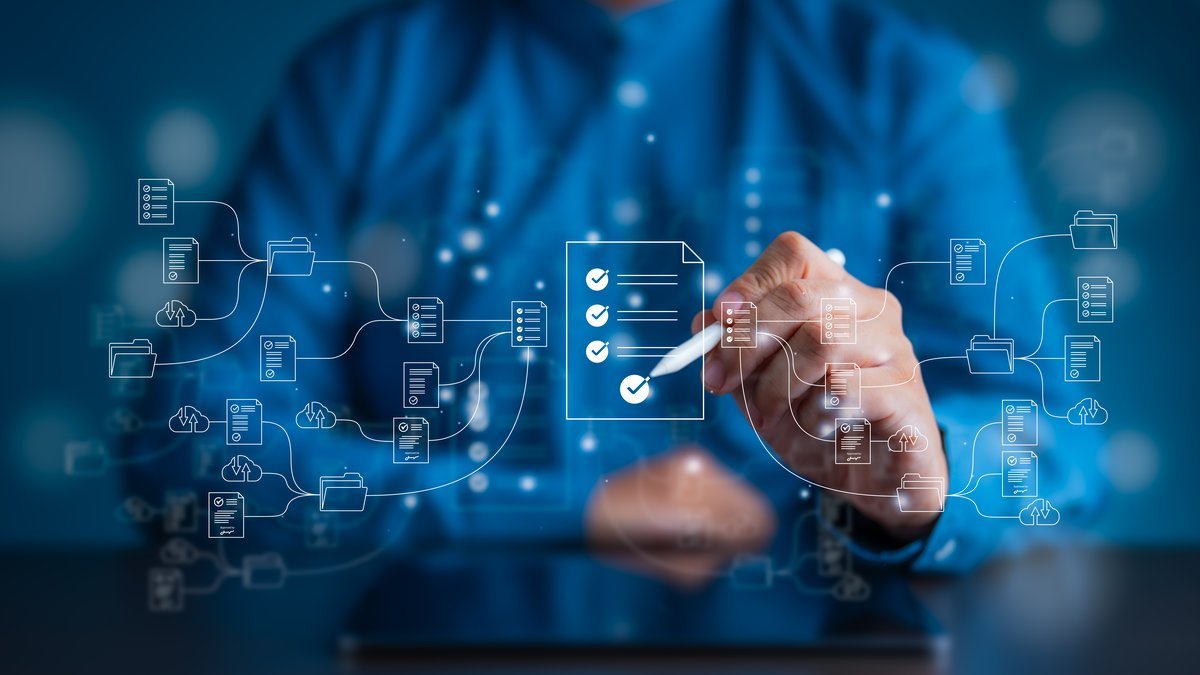
Elevate Efficiency, Master Modernity
15 lessons · 6 hours · 0.6 ceus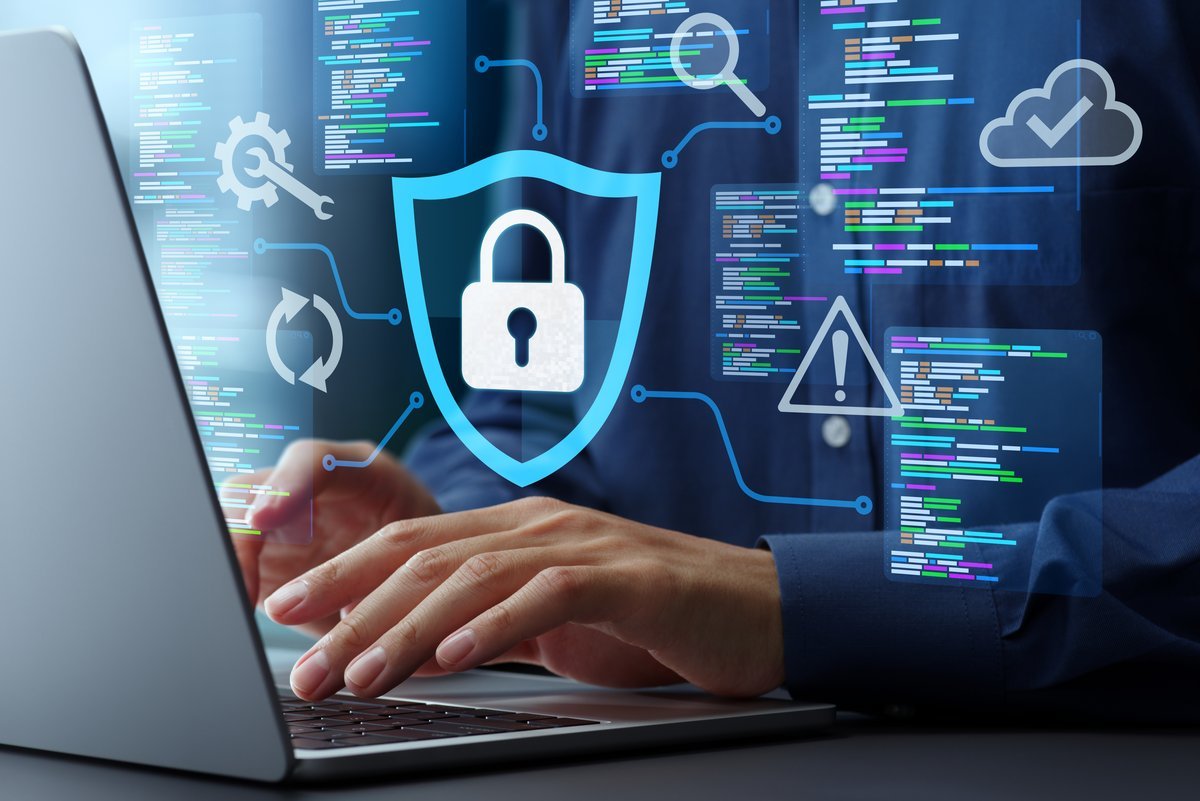
Empower Your Digital Defense Today!
15 lessons · 3 hours · 0.3 ceus
Navigate Tomorrow's Tech Today
15 lessons · 6 hours · 0.6 ceus
Empower Your Digital Journey: Master Skills, Secure Futures
15 lessons · 6 hours · 0.6 ceus