
Leadership and Management
Childhood Trauma: Long-term Effects and InterventionsEmpower Change: Heal the Past, Transform the Future
15 lessons · 5 hours · 0.5 ceus
 Close
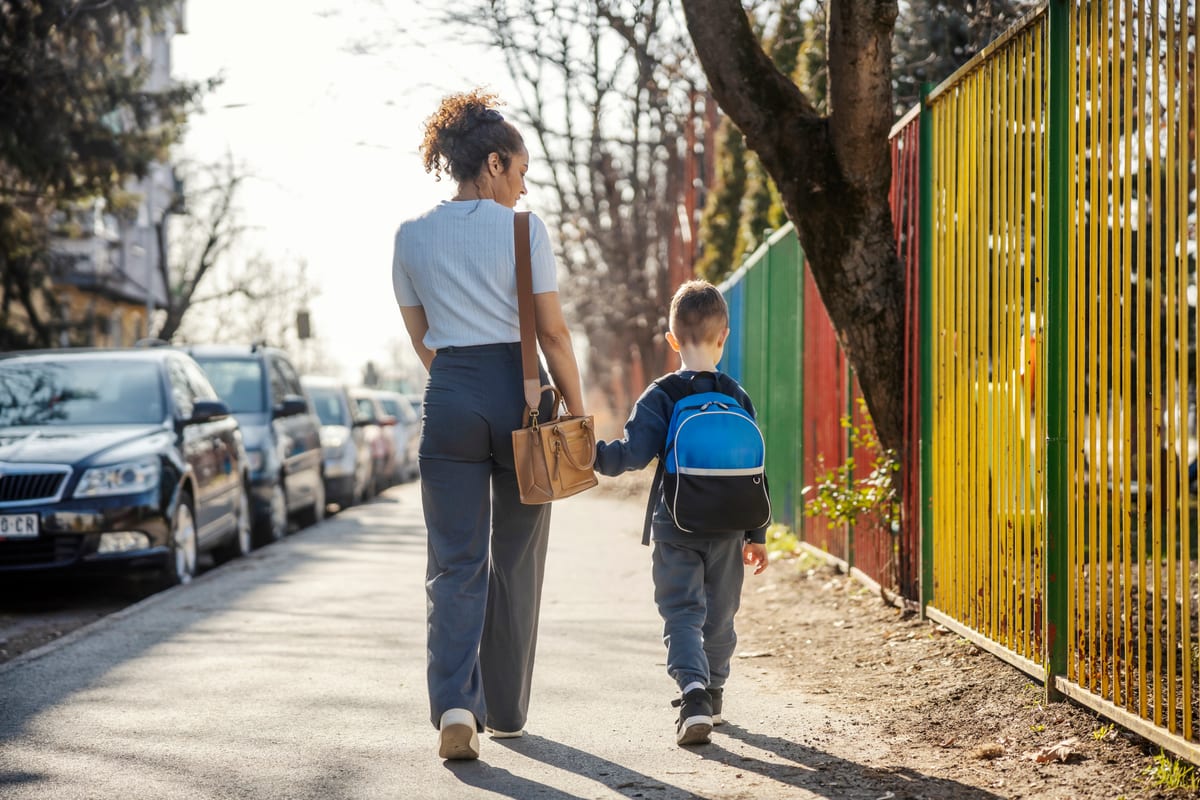
Empower Your Parenting: Safeguard Their Tomorrow
15 lessons · 5 hours · 0.5 ceus
Let your curiosity lead.Holistic Childcare: A Comprehensive Course to Nurturing the Whole Child
In the enchanting journey of parenting and caregiving, every day presents a new mystery, a new challenge, and countless joys. While children may not come with a manual, our comprehensive course aims to be the next best thing, ensuring the holistic well-being of every child you nurture.
Nurturing a child is not just about meeting their physical needs; it's an intricate dance of ensuring their mental, emotional, and physical wellness, all while adapting to the evolving stages of their growth. This course delves deep into this journey, offering insights, guidelines, and solutions for every twist and turn you might encounter.
While the digital age bombards caregivers with a plethora of advice, not all of it is rooted in reality or research. Our course stands apart by offering a blend of scientifically-backed information and real-world, actionable strategies. From deciphering the various parenting styles to understanding the nuances of technology use in a child's life, we provide a balanced perspective to empower your decisions.
Venturing beyond theory, our course dives into practical examples, addressing real-life challenges. Be it the elusive quest for the perfect bedtime routine or setting clear, effective boundaries in a tech-driven age, our modules provide a roadmap for these everyday challenges.
Our expertly curated syllabus includes:
-> Decoding the nutrition maze for optimal child health.
-> The science of sleep and crafting bedtime rituals.
-> Navigating potential pitfalls: drugs, social stressors, and more.
-> Comprehensive overview of prevalent childhood illnesses, prevention, and care.
-> The art and science of setting boundaries in a digital age.
Our aim is to be a trusted ally in your parenting or caregiving journey, bridging the gap between information and application. So, whether you're a first-time parent, a seasoned caregiver, or someone seeking to enrich their understanding of child well-being, this course is crafted just for you. Embrace this journey of love, understanding, and growth, and let us guide you every step of the way.
15 lessons · 5 hours · 0.5 ceus
Cognitive development thrives in a curious environment supported by questions, exploration, and age-appropriate responsibilities. Encouraging participation in household tasks instills adaptability, crucial as children navigate new environments or challenges.
Statistical evidence highlights the persistent nature of child maltreatment, emphasizing the urgency for comprehensive prevention strategies. By equipping mandated reporters and caregivers with necessary insights, community vigilance against abuse and neglect can be strengthened.
Parenting weaves together art and science, influenced by instincts and culture, with universal goals of ensuring children’s safety, preparing them as contributors to society, and instilling family values. Various styles, defined by levels of control and warmth, adapt to cultures and socio-economic factors, while concepts like authoritative parenting best balance discipline with warmth to foster child development.
Children's exploratory behavior often leads to minor injuries, which can generally be treated with simple first aid. However, parents must stay alert to signs indicating more severe conditions, like fractures, requiring urgent medical attention.
Preventing the spread of infection involves understanding pathogen transmission and minimizing exposure in environments like schools and daycare centers. Empowering families with health literacy and robust immune practices strengthens defenses against microscopic invaders.
Ensuring physical safety and promoting curiosity can be seamlessly blended by adapting home environments with anchored furniture and age-appropriate play zones. Such thoughtful accommodations not only safeguard children from risks but also imbue them with a sense of confidence and responsibility.
By modeling positive behavior and fostering communication, parents can guide children safely through familiarizing environments with drugs and alcohol. Viewing household drugs, peer pressure, and the allure of illicit substance use through honest dialogue is key to fostering safer decision-making in kids.
Water brings joy to families, yet poses significant risks, with drowning being a leading cause of accidental deaths in children. Ensuring vigilance and implementing strategic supervision can greatly mitigate these risks.
Effective preparedness goes beyond stockpiling necessities; it encompasses cultivating a resilient mindset and supportive community network. By leveraging technological tools and fostering neighborhood bonds, families can weave a net of safety that catches them in times of need.
Childhood stress and depression can arise from family dynamics, socioeconomic challenges, and school environments, affecting a child's emotional well-being. Employing open communication, emotional literacy, and community support can help foster resilience and equip children with coping strategies.
This lesson dives into the pervasive nature of social stressors faced by children and young adults, emphasizing the balance between developing independence and maintaining healthy relationships. Key strategies like fostering resilience, practicing empathy, and promoting open communication are highlighted to help manage these challenges.
Good nutrition is crucial for children's physical and cognitive development, with essential nutrients fueling growth and bolstering immunity. By incorporating a variety of wholesome foods and familiarizing with age-specific dietary needs, parents can cultivate lifelong healthy eating habits.
Promoting physical activity in children is a multi-faceted journey that intertwines physical fitness with emotional and social development. Immersion in these activities allows for lifelong health benefits and catalyzes children's potential, fostering confidence and resilience.
Effective sleep training, beginning in infancy, involves creating consistent routines that encourage self-soothing skills and a sense of security, thereby laying the groundwork for healthy sleep habits. Techniques like introducing sleep cues and maintaining a calming bedtime atmosphere contribute to the development of independent sleep patterns.
Digital platforms can enhance learning but should complement hands-on, interactive experiences to maximize cognitive engagement in children. The lesson advocates for balancing screen time with traditional activities and involving parents in content selection to ensure age-appropriate interactions online.
More ideas connected to your curiosity.
Empower Change: Heal the Past, Transform the Future
15 lessons · 5 hours · 0.5 ceus
Elevate Your Expertise, Babysit with Confidence
10 lessons · 2 hours · 0.2 ceus
Empower Your Family's Future Today
15 lessons · 3 hours · 0.3 ceus
Safeguarding Your Digital World, Together
15 lessons · 5 hours · 0.5 ceus
Master the Unexpected, Survive the Unpredictable.
15 lessons · 4 hours · 0.4 ceus