Accounting and Bookkeeping
The Path to Healing: Integrated Approaches to Trauma RecoveryEmpower Your Journey to Wholeness
15 lessons · 5 hours · 0.5 ceus
 Close
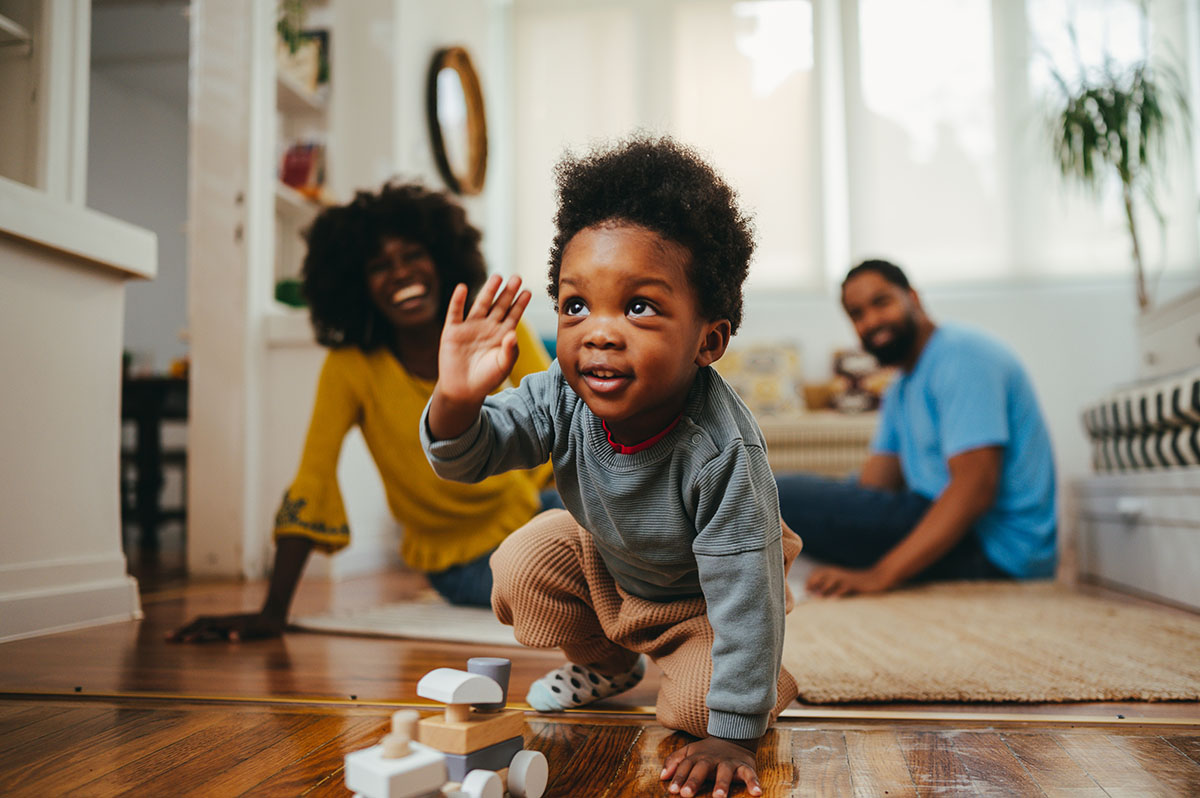
Empower Your Family Connections Through Cultural Understanding
15 lessons · 6 hours · 0.6 ceus
Let your curiosity lead.Are you interested in understanding the intricate dynamics of multicultural families and how they thrive in diverse environments? If so, 'Cultural Competence in Family Settings: Bridging Diversity' is designed just for you. This course will empower you to embrace the beauty and complexity of different cultural backgrounds within family settings. Explore how empathy and cultural awareness can transform family connections, fostering harmonized relationships amid diverse cultural influences. Whether you're part of a multicultural family or work closely with them, the skills learned here will be invaluable.
Throughout this course, you'll gain a practical understanding of how cultural identities shape family dynamics. From the nuances of intergenerational cultural transmission to the challenges and opportunities presented by bicultural environments, you'll learn to navigate these intricacies with tact and respect. Our focus on celebrating hybrid traditions and encouraging cultural sensitivity in family communication will prepare you to foster inclusivity and cooperation at home and beyond.
A distinctive feature of this course is its thorough exploration of cultural norms and biases in family dynamics. You'll gain insights into how implicit bias can affect familial interactions and how to foster open dialogues that celebrate diversity. By recognizing and integrating unique cultural practices, you'll be equipped to create a more inclusive environment, helping families not only preserve their cultural heritage but also adapt gracefully to new societal norms.
Enroll in this course and uncover the keys to creating harmonious, diverse family settings. With every lesson, you'll develop the cultural competence necessary to promote empathy, respect, and connection within any family context. We look forward to having you with us on this enriching journey towards understanding and celebrating diversity in family life.
15 lessons · 6 hours · 0.6 ceus
Empathy for different cultural backgrounds fosters robust family connections, equipping members to adapt and harmonize in multicultural environments. Through continuous learning and awareness, families blend cultural influences, celebrating diversity while maintaining traditions in today's interconnected society.
Family dynamics deeply intertwine with cultural identity, presenting challenges and opportunities in bicultural environments. The integration of diverse cultural practices highlights the importance of dialogue and cultural sensitivity in maintaining harmony and fostering growth within families.
Navigating family dynamics across cultures involves understanding unique cultural norms that shape communication, roles, and decision-making. Recognizing these influences allows for more effective family interactions and enhances cultural competence.
Within multicultural family dynamics, there's a tension between preserving cultural heritage and adapting to new societal norms. The lesson encourages celebrating hybrid traditions and fostering cultural inclusivity at home and school, helping children gain a dual cultural understanding and a more adaptable identity.
Generational differences in communication styles and conflict resolution highlight the complexity within multicultural families, requiring empathy and creativity to navigate. Initiatives like storytelling and cultural exchanges allow these families to harmonize traditional beliefs with contemporary trends, fostering mutual respect and understanding.
Understanding cultural norms and values in familial interactions provides a crucial foundation for cultural competence, essential for creating harmonious family settings regardless of cultural background. By respecting these differences, individuals foster an inclusive environment and promote empathy and connection within diverse families.
Bicultural identity negotiation is a complex journey through cultural norms that enriches personal identity, fostering acceptance. Families and communities play pivotal roles in supporting this cultural balance, promoting inclusivity and resilience.
Rituals across cultures serve as vital connectors, anchoring families through symbolic practices celebrating milestones and managing life's transitions. This understanding aids in nurturing cross-cultural empathy, essential for educators and professionals working with diverse families.
Acknowledging implicit bias is key to fostering cultural competence and diverse family dynamics. Families must engage in reflection, open dialogues, and activities celebrating diversity to combat biases and enhance understanding.
Cultural identity weaves a tapestry of shared traditions and beliefs, crucially influencing family dynamics and roles. As families encounter diverse norms through migration, these roles may evolve, prompting dialogues that foster growth and understanding.
Families overcoming language barriers with empathy and strategic approaches can transform challenges into opportunities, strengthening ties. Establishing a common language while celebrating linguistic diversity fosters unity, allowing all members to express and share unique cultural identities.
Through historical and cultural lenses, global shifts in gender roles reveal ongoing challenges and progress—highlighting scholars' roles in fostering understanding for equitable, respectful family dynamics. Intersectionality and varying cultural narratives deepen empathy and promote collective inclusivity.
Cultural competence within families involves recognizing, integrating, and celebrating diverse heritages through traditions like Chinese New Year and embracing bilingualism. This process strengthens familial bonds, nurtures empathy, and prepares members for a multicultural society.
Exploring life transitions across cultures sheds light on the values and traditions that shape societies, encouraging inclusivity and respect in diverse contexts. By understanding different practices around birth, marriage, and death, we enrich our appreciation of family dynamics and cultural diversity.
Cultural competence is essential for understanding diverse family forms, where shared cultural practices enrich familial experiences and promote inclusivity. Educational initiatives that incorporate multiculturalism foster respect and empathy, molding children into globally-minded citizens.
More ideas connected to your curiosity.
Empower Your Journey to Wholeness
15 lessons · 5 hours · 0.5 ceus
Empower Education Through Innovative Blended Learning Models
15 lessons · 7 hours · 0.7 ceus
Elevate Your Craft with Timeless Elegance
15 lessons · 6 hours · 0.6 ceus
Unlock Hearts in the Age of Algorithms
15 lessons · 6 hours · 0.6 ceus
Elevate Elegance, Master the Craft.
15 lessons · 6 hours · 0.6 ceus
Transform Learning, Empower Every Student.
15 lessons · 5 hours · 0.5 ceus
Unleash Your Signature Elegance in Designer Fashion
15 lessons · 7 hours · 0.7 ceus
Transform Conflict into Connection: Navigate the Complex Ties of Dysfunctional Families
15 lessons · 6 hours · 0.6 ceus
Unleash Your Creativity: Craft Compelling Online Narratives
15 lessons · 5 hours · 0.5 ceus
Unlock Your Potential: Master the Art of Strategic Thinking
15 lessons · 6 hours · 0.6 ceus
Master Your Money, Secure Your Future
15 lessons · 3 hours · 0.3 ceus
Elevate Education: Master the Art of Standards-Driven Curriculum
15 lessons · 7 hours · 0.7 ceus