Career & Professional Development
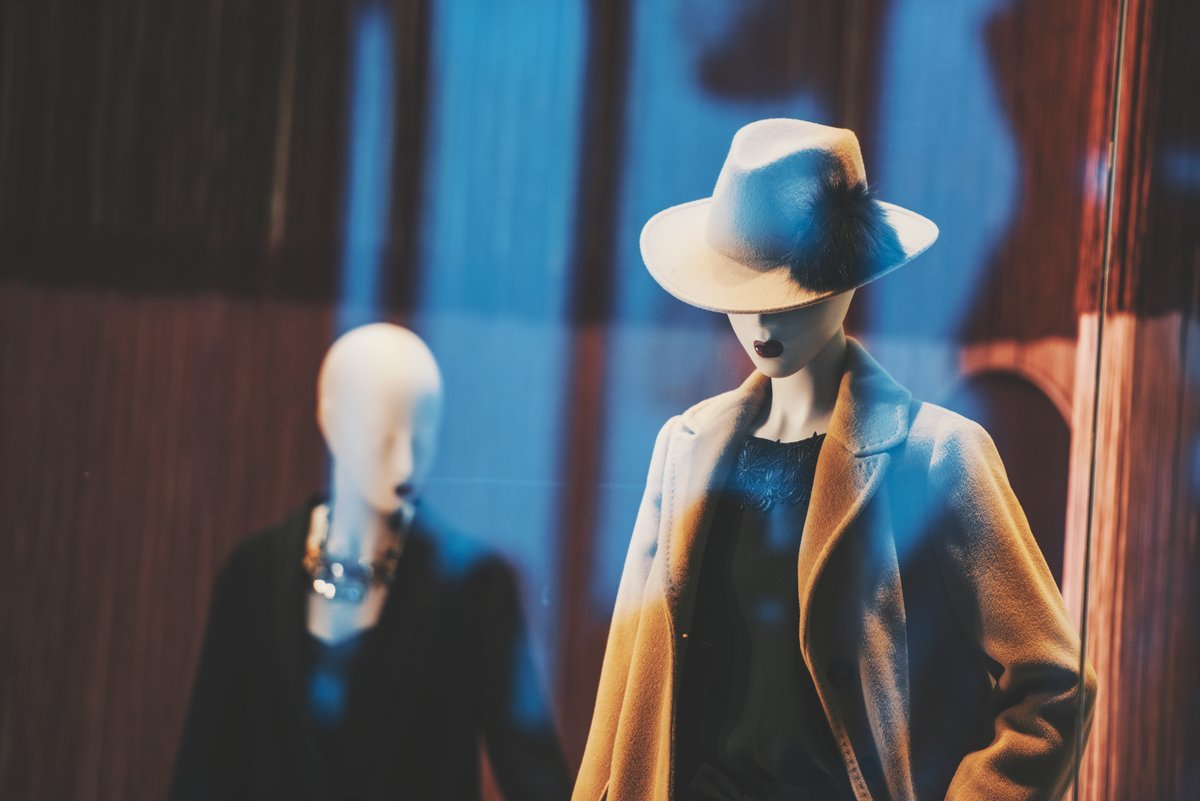
The Art of Luxury DressingMaster the Elegance of Extravagance
15 lessons · 3 hours · 0.3 ceus
 Close
Elevate Your Craft with Timeless Elegance
15 lessons · 6 hours · 0.6 ceus
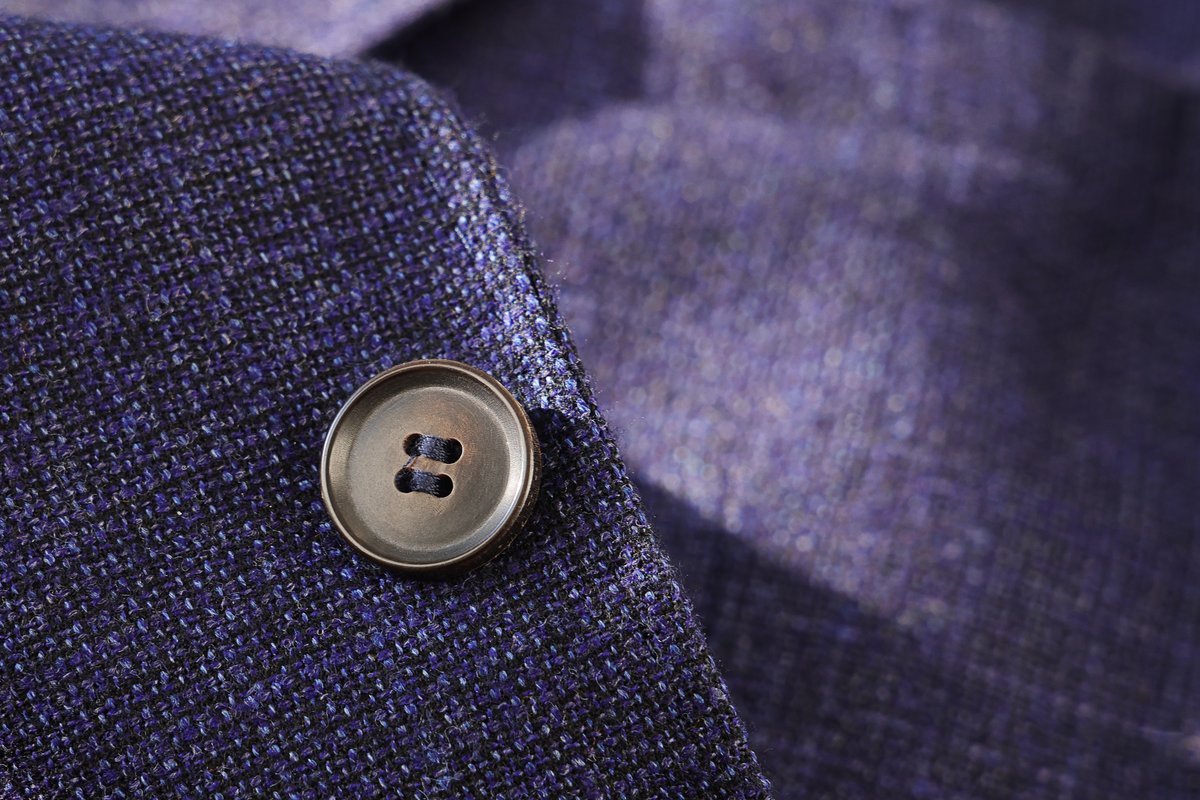
Let your curiosity lead.Discover the fascinating world of textiles with 'A Simple Guide to Clothing Fabrics.' This course invites you to explore the rich history and cultural significance of a variety of luxurious fabrics, from the timeless allure of silk and velvet to the intricate craft of lace making. Gain a deeper understanding of how materials like cashmere, linen, and tweed have shaped fashion trends and economic landscapes for centuries.
By the end of this course, you'll be equipped with the knowledge to appreciate the craftsmanship behind each fabric, enhancing your fashion sense and buying decisions. You'll also learn about contemporary shifts towards sustainability in textile production, preparing you for informed choices in today's eco-conscious market.
With vivid stories and cultural insights woven through each lesson, you'll leave with a well-rounded appreciation of how these fabrics have influenced civilizations across the globe. We look forward to welcoming you into the world of fabric artistry, where tradition meets innovation in the most stylish ways.
15 lessons · 6 hours · 0.6 ceus
Silk's allure transcended China, affecting empires like Byzantium, where Emperor Justinian I smuggled silkworm eggs to start local production. This marked a pivotal shift, making silk a European luxury, revered for its artistry and economic significance.
Empress Josephine's love for Indian cashmere shawls in the 18th century propelled the fabric to European high fashion, symbolizing opulence. The blend of craftsmanship and innovation keeps cashmere at the forefront of luxury textiles amidst evolving sustainability demands.
Rawhide stands out in luxury for its unique process that retains natural texture, making it ideal for durable and authentic crafts like musical instruments and home decor. Harnessing its rigid yet refined nature, rawhide complements modern design and traditional craftsmanship, appealing to consumers seeking sustainability and distinct style.
Gold threads, spun through the fabric of history, illustrate civilization's enduring quest for opulence and spiritual resonance. From Luxor to Varanasi, these shimmering textiles chronicle power, artistry, and the intersection of culture and commerce across epochs.
Velvet stands as a paragon of luxury and sophistication, transforming from a token of aristocratic might to an emblem of modern elegance. Its adaptability and traditional roots offer a lens into cultural narratives, signifying both heritage and innovation.
Linen, esteemed for its durability and natural shimmer, traces a rich history across ancient Egypt, Mesopotamia, and the Indus Valley, serving as a status symbol and spiritual fabric. Its cultivation and artistry reflect a remarkable journey that continues to influence contemporary luxury and sustainable fashion.
In ancient China, pearls were regarded as celestial gifts, believed to enhance wisdom and prosperity, often gracing the attire of sages and royalty. Meanwhile, in Persia, pearls embellished royal artifacts, signifying wealth and spiritual transformation, immortalized through art and poetry.
Lace making is a centuries-old art form synonymous with luxury and elegance, originating in Venice and Flanders. It evolved from handmade craftsmanship to machine production, yet retains its status in high fashion through its intricate designs.
The satin fabric showcases human ingenuity through its journey from noble Chinese roots, through illustrious Renaissance art, to modern haute couture fashion. Its transformative history is marked by timeless beauty, the mechanization of textiles, and a pivot towards ethical and sustainable production.
Tweed's iconic status in fashion echoes its storied history of resilience and innovation, marrying tradition with modernity. Its appeal crosses generations and trends, from Chanel's revolutionary designs to eco-friendly fashion's sustainability embrace.
Brocade, once a symbol of imperial power, transcends its historical roots through artistic innovation and cultural symbolism. Its luxurious tapestries reflect a rich fusion of heritage and technology, sustaining its timeless allure in contemporary designs.
The unique Changthangi goat, nestled in the Himalayas, provides the soft wool that forms the basis of Pashmina’s timeless allure. Local artisans spin and weave this wool, maintaining cultural narratives and heritage, while modern efforts strive for sustainable and ethical production.
Fur's evolution, from survival tool to elite fashion statement, mirrors shifting societal values. Today, the interplay between ethics and luxury shapes the presence of fur in fashion amidst environmental and animal rights concerns.
Today's damask production aligns with ethical practices, emphasizing minimal environmental impact through sustainable techniques while reviving traditional craftsmanship. This shift meets the expectations of conscious consumers who appreciate the blend of heritage, beauty, and sustainability in modern textiles.
Taffeta's journey from Persian looms to European courts showcases its evolution as a staple of regal and elegant fashion, marked by its iridescent sheen and firm structure. As designers now explore sustainable practices, taffeta's biodegradable nature and eco-friendly innovations make it a responsible choice for contemporary design.
More ideas connected to your curiosity.
Master the Elegance of Extravagance
15 lessons · 3 hours · 0.3 ceus
Elevate Your Style Beyond Fashion Fads
15 lessons · 3 hours · 0.3 ceus
Redefine Opulence, Shape the Future
15 lessons · 6 hours · 0.6 ceus
Defy Trends, Define Fashion
15 lessons · 7 hours · 0.7 ceus
Elevate Your Style, Master the Essentials
15 lessons · 3 hours · 0.3 ceus
Elevate Your Elegance, Define Your Style
15 lessons · 4 hours · 0.4 ceus
Unleash Your Style, Redefine Tomorrow
15 lessons · 6 hours · 0.6 ceus
Discover the Future of Elegance: Master the Art of Luxurious Transformation
15 lessons · 6 hours · 0.6 ceus
Elevate Your Style, Master the Art of Distinguished Elegance
15 lessons · 4 hours · 0.4 ceus
Elevate Your Wardrobe, Elevate Your World.
15 lessons · 6 hours · 0.6 ceus
Craft Tomorrow's Elegance Today
15 lessons · 6 hours · 0.6 ceus
Elevate Elegance: Shape the Future of Fashion
15 lessons · 5 hours · 0.5 ceus