
Career & Professional Development
Creating and Maintaining Personal BoundariesEmpower Your Relationships, Define Your Space
15 lessons · 3 hours · 0.3 ceus
 Close
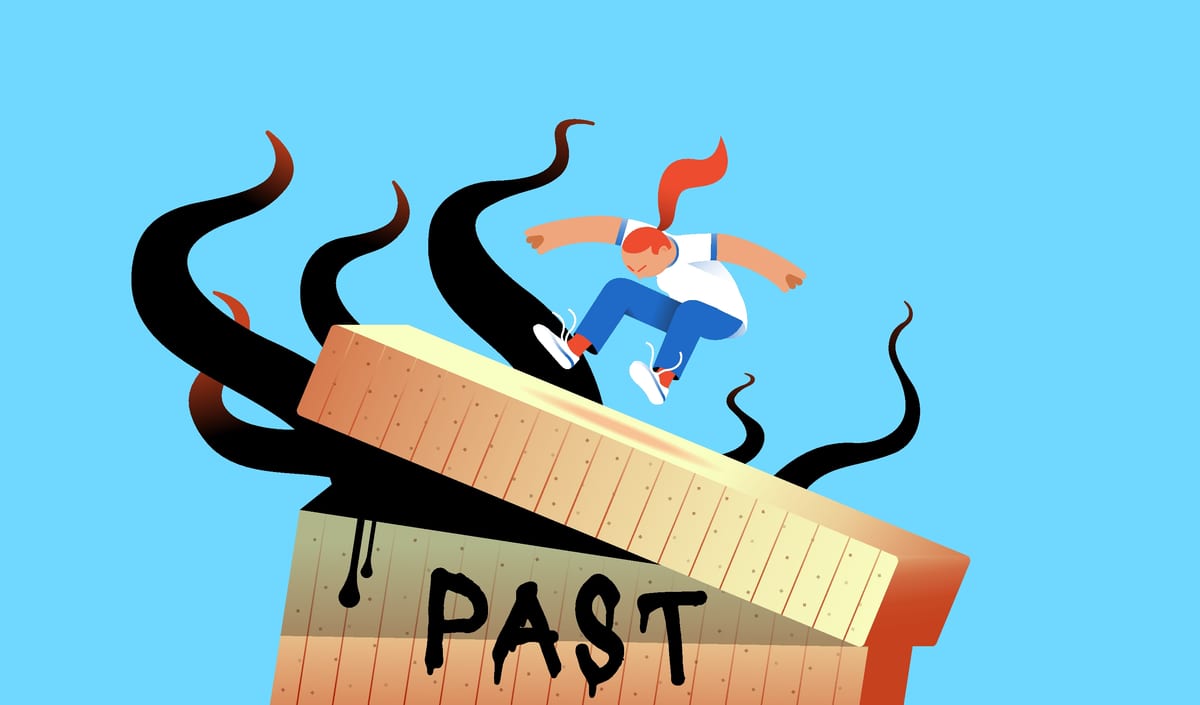
Empower Your Journey to Wholeness
15 lessons · 5 hours · 0.5 ceus
Let your curiosity lead.Are you ready to deepen your understanding of trauma and explore innovative healing approaches? 'The Path to Healing: Integrated Approaches to Trauma Recovery' invites you to discover a blend of traditional and modern therapeutic techniques tailored for effective trauma management. This course equips you with the essential insights to offer compassionate care by tracing the evolution of trauma through history, unraveling its biological effects, and examining culturally sensitive practices that enhance recovery.
Gain practical knowledge in rewiring the stress response, fostering mindfulness, and harnessing the power of the arts for emotional growth. These lessons cultivate a holistic understanding of how trauma alters cognitive and emotional functions, providing you with the tools to guide individuals toward resilience and recovery. Imagine learning to facilitate healing through transformative techniques like Cognitive Behavioral Therapy (CBT), yoga, and expressive arts. These approaches, deeply rooted in scientific understanding, enable you to deliver personalized and culturally aware support.
Distinctive in its cultural awareness, the course examines trauma through a global lens, emphasizing the importance of recognizing diverse healing traditions. From exploring the role of diet in emotional wellness to the benefits of eco-therapy and biophilia, these modules broaden your perspective on trauma recovery. Engaging with lessons that bridge modern therapies with time-honored cultural practices allows you to foster an inclusive therapeutic environment that respects and validates varied experiences.
Whether you are a budding therapist or someone seeking to enrich your personal understanding of trauma recovery, this course provides actionable strategies that you can apply in professional settings or personal growth. Join us in 'The Path to Healing' and enhance your capacity to support healing and resilience in yourself and others. Dive in and start exploring these meaningful approaches today.
15 lessons · 5 hours · 0.5 ceus
Over centuries, the concept of trauma has evolved, influencing therapeutic practices and emphasizing a holistic approach to healing by recognizing the diversity of human experiences. This historical progression equips future practitioners to offer compassionate, context-sensitive care that impacts both individuals and communities.
Neurobiological responses to trauma involve intricate neurochemical interactions with hormones like norepinephrine and dopamine shaping fight-or-flight dynamics, while serotonin influences mood stability. Comprehending these biochemical shifts enables targeted interventions such as dietary changes and exercise that nurture neurotransmitter balance, facilitating recovery.
Cultural and contextual resilience factors differ across communities but significantly shape trauma recovery, indicating the need for culturally aware support systems. Intersectionality and expanded research are critical in forming comprehensive trauma recovery approaches that foster resilience through systemic and individual strength integration.
The lesson explores how trauma profoundly disrupts cognitive functions and emotional well-being, emphasizing the importance of understanding these impacts for effective healing. It highlights brain areas affected by trauma, like the prefrontal cortex and amygdala, and suggests strategies such as mindfulness and Cognitive Behavioral Therapy (CBT) to aid recovery.
The insidious nature of vicarious trauma lies in its impact on those empathically involved with trauma survivors, affecting their cognitive and emotional frameworks. Employing self-care and organizational interventions is essential to mitigate its effects and promote resilience.
Integrating traditional healing methods with modern therapies enriches trauma recovery, drawing from a tapestry of cultural practices that enhance psychological resilience and holistic wellbeing. Community-based participatory research encourages collaboration and validation of diverse healing approaches, reinforcing broader acceptance and efficacy.
Lesson Summary 2: In educational settings, integrating expressive arts therapy into learning showcases remarkable improvements in students’ emotional and cognitive development, reinforcing its role as a critical educational component. As students engage with the arts, these experiences foster not only personal transformation but also contribute to a deeper, more empathetic societal understanding.
Attachment theory underscores the pivotal role of relationships in trauma healing, with secure attachments promoting resilience and effective support systems. Conversely, anxious, avoidant, and disorganized styles can complicate recovery, requiring tailored interventions to recalibrate emotional responses and enhance healing.
Studies highlight that culturally competent mental health interventions lead to better treatment outcomes and decrease therapy drop-out rates. By understanding how cultural interpretations affect trauma, therapists can incorporate culturally relevant strategies, creating an inclusive therapeutic environment.
Through positive reinforcement, families navigating trauma can transform dynamics by promoting emotional resilience and encouraging constructive behavior, thereby re-establishing trust and open communication. By implementing empathetic validation and actively celebrating member cooperation, families foster an environment of healing and strengthen vital relational bonds.
Trauma-informed yoga emphasizes the principles of safety, choice, and empowerment to support healing from trauma. Mindful practices and community support in these sessions help individuals reconnect with their bodies and foster emotional stability and resilience.
Trauma recovery is nuanced by cultural influences, where different traditions and beliefs shape healing methods, enabling trauma survivors to engage in culturally relevant practices. Embracing diverse global perspectives like African Ubuntu and Japanese Ikigai enriches trauma interventions, fostering empathy and effective support across varied family and cultural dynamics.
Lesson 2: Trauma recovery is intertwined with the gut-brain axis, highlighting how gut microbiota affects mood through neurotransmitter production. Incorporating probiotics, prebiotics, and nutrients like omega-3s into the diet fosters a beneficial microbiome, promoting emotional resilience and holistic healing.
Trauma recovery is significantly influenced by one's attachment style, a theory revealing how early emotional bonds shape future interactions. Understanding and reshaping these attachments through therapeutic interventions enhance resilience, helping survivors build secure and fulfilling relationships.
Optimism serves as a powerful element of resilience, encouraging perseverance in the face of adversity. Focusing on positive expectations, despite immediate obstacles, drives individuals to pursue personal achievements and contributes to overall resilience.
More ideas connected to your curiosity.
Empower Your Relationships, Define Your Space
15 lessons · 3 hours · 0.3 ceus
Unearth, Understand, and Heal: Navigate the Spectrum of Psychological Trauma
15 lessons · 7 hours · 0.7 ceus
Break Free, Heal Deeply, Embrace Empowerment
15 lessons · 6 hours · 0.6 ceus
Transform Conflict into Connection: Navigate the Complex Ties of Dysfunctional Families
15 lessons · 6 hours · 0.6 ceus
Transform Bonds, Heal Together, Thrive as One
15 lessons · 5 hours · 0.5 ceus
Unraveling the Impact of Self-Centered Upbringings for a Brighter Tomorrow
15 lessons · 3 hours · 0.3 ceus
Empower Your Digital Journey: Master Skills, Secure Futures
15 lessons · 6 hours · 0.6 ceus
Master Your Focus, Elevate Your Life
15 lessons · 5 hours · 0.5 ceus
Empower Your Home, Master the Basics
15 lessons · 4 hours · 0.4 ceus
Empower Your Family's Future Today
15 lessons · 3 hours · 0.3 ceus
Empower Change: Heal the Past, Transform the Future
15 lessons · 5 hours · 0.5 ceus
Navigate the World with Confidence: Plan Smart, Travel Safe
15 lessons · 7 hours · 0.7 ceus