Art & Design
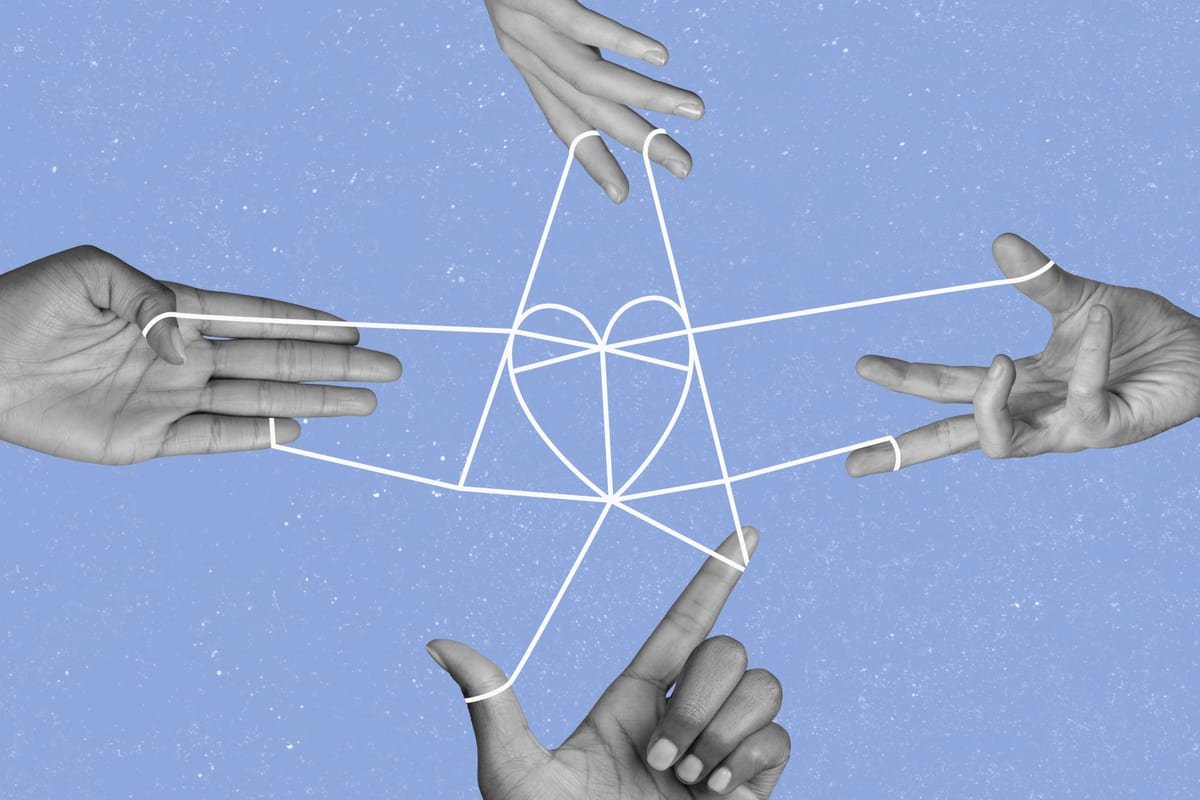
Navigating Family Systems: A Path to Healthier HabitsTransform Your Family Dynamics, Transform Your Life
15 lessons · 4 hours · 0.4 ceus
 Close

Navigate Hearts with Wisdom: Unite Thoughtful Choices and Deep Bonds
15 lessons · 4 hours · 0.4 ceus
Let your curiosity lead.Are you eager to develop deeper, more meaningful connections in both your personal and professional life? Do you find yourself curious about the balance between rationale and emotion in decision-making and interactions? Our course, 'Emotional Intelligence for Better Relationships,' offers a space where you'll explore these crucial dynamics. This course is designed for those who wish to deepen their understanding of emotional intelligence and its profound impact on relationships and communities.
At the heart of this course is the idea that love and logic are not opposing forces but complementary ones. You'll gain insights into how emotional intelligence can enhance your empathy, build stronger teams, and improve conflict resolution skills--capabilities that are invaluable in any setting. We'll delve into the dance between emotional responses and logical thinking, equipping you with the tools to make balanced decisions that reflect both your data-driven insights and heartfelt values. You'll learn to recognize and unpack cognitive biases, fostering a mindset that supports personal and collective well-being.
One of the distinctive features of this course is its emphasis on cultural awareness and non-verbal communication. In our globalized world, understanding the nuances of how culture shapes interaction is key to fostering deeper connections. You will also explore how family dynamics and early attachment theories influence adult behavior and relationship patterns. By navigating these foundational elements, you'll be better prepared to cultivate relationships that are both satisfying and resilient.
Whether you are a professional seeking to enhance your leadership capabilities or someone interested in nurturing personal relationships, this course provides practical skills and knowledge that you can immediately apply. By the end, you'll have a clearer sense of how to align your personal values with your interactions, encouraging authentic engagement with the people around you. We warmly invite you to join us in exploring the rich intersection of love and logic--let's get started!
15 lessons · 4 hours · 0.4 ceus
Cultivating emotional intelligence in educational programs reduces bullying, enhances student engagement, and fosters empathetic societies, underscoring its societal importance. Communities with high EI reflect greater social cohesion and less conflict, illustrating the collective impact of emotional intelligence beyond individual benefits.
Understanding the origins and impacts of emotional triggers helps individuals develop resilience and empathy, promoting healthier interactions. Open communication and self-reflection are pivotal in diffusing reactions and fostering personal growth.
The synergy of empathy and social skills nurtures profound connections, leading to a deeper understanding of others' feelings and perspectives. In academic settings, individuals with high EI foster inclusive environments, demonstrating the power of empathy in creating harmonious team dynamics.
Non-verbal communication significantly influences perceptions and understanding within relationships, transcending verbal interactions. A keen awareness of gestures and body language can foster deeper connections and trust.
Emotions often drive immediate responses in decision-making, reflecting instincts and ethical considerations, whereas logic relies on data and systematic thought to guide choices. By harmonizing the two, individuals can achieve decisions enriched with depth and authenticity.
Understanding our primary love language aids in self-discovery, guiding us toward emotional fulfillment and healthier relationships. This awareness allows for personal growth and empowers the cultivation of deeper, more empathetic connections.
Empathy is a cornerstone in acknowledging and respecting boundaries, enhancing relationship quality through genuine understanding and emotional intelligence. This skill, vital in both personal and professional settings, fosters trust and cohesion by accommodating others' needs and perspectives, aiding effective boundary navigation.
Conflict often arises from unmet emotional needs, which can be understood more deeply through love and logic, fostering harmonious interactions by enhancing empathy and self-awareness. Recognizing core emotions such as anger, fear, and love provides pathways for reconciliation beyond mere logic, utilizing empathy as a transformative bridge.
Attachment theory, rooted in Bowlby's observations and expanded by Ainsworth, describes the profound impact of early caregiver interactions on lifelong relationship dynamics. The lesson emphasizes cultivating secure attachment styles to form trusting and resilient connections, integrating emotional intelligence with logical decision-making.
Family roles, such as the Hero or Scapegoat, shape adult behaviors and interpersonal dynamics, impacting self-perception and how individuals engage with the world. Understanding these roles helps foster personal growth and healthier relationships by aligning internal values with external interactions.
Mindfulness serves as a cornerstone for constructive communication, enhancing emotional intelligence, and fostering trust and collaboration in relationships. This lesson demonstrates the transformative impact of mindfulness on emotional regulation and conflict resolution within various contexts.
Personal values are foundational beliefs that guide decision-making and behavior, influencing how we navigate the world and shaping personal and professional relationships. As values evolve through introspection and life experiences, they empower individuals to align their actions with authentic personal goals and aspirations.
Incorporating positive reinforcement within personal and professional relationships motivates individuals to repeat beneficial behaviors, fostering a supportive atmosphere. Tailoring reinforcement to individual preferences ensures its effectiveness, solidifying trust and cooperation.
The evolutionary basis of cognitive biases, once vital for survival, now affects everyday reasoning, often skewing perception and decision-making. By recognizing biases like the availability heuristic or the sunk cost fallacy, individuals can better align their actions with well-being and rational thought.
Balancing individuality with shared dreams requires communication, empathy, and mutual support to sustain relationship satisfaction and collective success. Differing paths can complement and enrich collective pursuits, as partners or teams merge unique talents and passions to achieve cohesive goals.
More ideas connected to your curiosity.
Transform Your Family Dynamics, Transform Your Life
15 lessons · 4 hours · 0.4 ceus
Fostering Connection Across Generations
15 lessons · 5 hours · 0.5 ceus
Enrich Connections, Transform Environments
15 lessons · 6 hours · 0.6 ceus
Empathy in Action: Bridging Hearts Across Generations
15 lessons · 5 hours · 0.5 ceus
Awaken Together, Grow Stronger
15 lessons · 5 hours · 0.5 ceus
Reconnect, Rediscover, Revitalize: Transform Your Relationships Today
15 lessons · 7 hours · 0.7 ceus
Unlock Your True Potential: Connect, Engage, Thrive
15 lessons · 7 hours · 0.7 ceus
Unite, Collaborate, Thrive: Elevate Your Team Dynamics
15 lessons · 3 hours · 0.3 ceus
Nurture Connections, Embrace the Moment
15 lessons · 5 hours · 0.5 ceus
Empower Your Family Connections Through Cultural Understanding
15 lessons · 6 hours · 0.6 ceus