Career & Professional Development
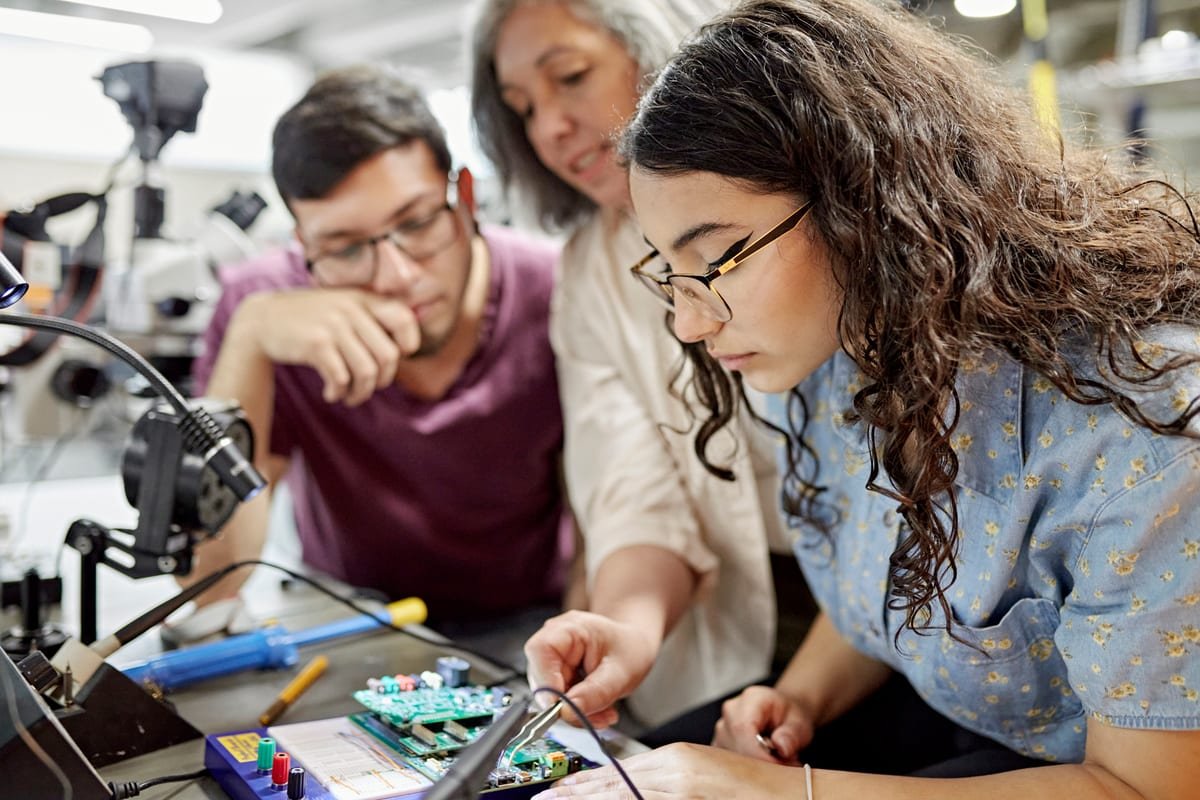
Implementing Project-Based LearningIgnite Innovation, Transform Learning
15 lessons · 4 hours · 0.4 ceus
 Close

Fostering Connection Across Generations
15 lessons · 5 hours · 0.5 ceus
Let your curiosity lead.Are you curious about how different generations can effectively collaborate and enrich each other's lives? Welcome to 'Building Bridges: Techniques for Intergenerational Understanding,' a course crafted to help you navigate the complex world of generational dynamics with empathy and insight. As our society becomes increasingly age-diverse, understanding the unique perspectives and values shaped by different historical contexts is more important than ever. This course offers you the tools and insights to break down stereotypes and cultivate meaningful connections across generational lines.
Through this course, you'll delve into the shared values that bind us, from resilience and adaptability to a common commitment to inclusivity and activism. You'll explore how these values manifest differently across generations, providing a foundation for collaborating effectively. Discover practical techniques to improve communication, harness the transformative power of empathy, and build stronger, more inclusive communities and workplaces.
One distinctive feature of this course is its emphasis on real-world application. By examining historical events and their impact on generational values, you will gain a tactical understanding of intergenerational communication--not just in theory, but in practice. Learn how to use technology and storytelling as bridges to connect with people of all ages, and design environments where every voice contributes to a collective goal. Whether you're leading a team or simply looking to enhance your interpersonal skills, the ability to bridge generational divides can transform your interactions and outcomes.
Don't miss the opportunity to enrich your understanding and build invaluable skills that transcend generational gaps. Join us and become a part of a learning experience that promises to enhance your personal and professional relationships. We look forward to seeing you in class and exploring how different generations can work together to create a more understanding and harmonious world.
15 lessons · 5 hours · 0.5 ceus
Common experiences across generations highlight shared values like resilience, adaptability, inclusivity, and activism, while fostering empathy opens avenues for intergenerational collaboration. Organizations can leverage diverse strengths by integrating mentorship programs and encouraging cross-generational projects.
The emergence of writing and printing revolutionized information dissemination, expanding societal structures and enabling long-distance communication. The printing press democratized knowledge, catalyzing intellectual exchange and societal transformations like the Renaissance and the spread of Enlightenment ideas.
Baby Boomers, having transitioned from analog to digital, integrate technology cautiously for practical benefits, like digital banking. Meanwhile, Gen Z's hyperconnectivity fosters activism through digital platforms, balancing privacy awareness with social impact.
The Silent Generation's formative years during the Great Depression emphasized thrift, influencing stereotypes of caution still applied today, whereas Baby Boomers, emerging in post-war prosperity, are often stereotyped as materialistic. These narratives mask deeper socio-economic realities like inequality and shifting values over time.
Intergenerational storytelling encourages dialogue and understanding by drawing on shared histories and diverse experiences, particularly in communities and families. Through narratives about past and present challenges, storytelling reveals universal themes, fostering empathy across generational lines and societal contexts.
Open communication and empathy are pivotal for bridging generational divides, fostering inclusive workplaces that respect and leverage diverse perspectives. By aligning communication methods with generational preferences, individuals can reduce misunderstandings and cultivate more dynamic collaborations.
Historical economic events, like the Great Depression and the 2008 recession, have lasting impacts on generational values and financial behavior. By reflecting on these events, individuals can gain insights into financial strategies and foster intergenerational dialogue for cohesive communities.
Generational perspectives arise from diverse experiences and societal influences unique to each cohort, providing insights into workplace dynamics. By recognizing individual generational characteristics, we can foster teamwork and reduce misunderstandings driven by stereotypes.
Cultural influences shape communication across generations, with each generation bringing unique historical references that affect their worldview and interests. By acknowledging these differences, individuals can enhance dialogue and understanding, sharing insights and solutions to address global challenges together.
Generation Z represents digital fluency and authenticity, leveraging smart technology for both personal and business growth. They challenge older marketing norms, creating agile strategies that reshape consumer engagement and redefine traditional business interactions.
Maria Montessori's educational philosophy revolutionized child-focused learning, impacting the way generations of students engage with knowledge. By fostering independence and curiosity, her methods have redefined traditional education and continue to cultivate innovative thinkers worldwide.
Harnessing emotional intelligence in diverse settings can enhance team dynamics, improve productivity, and reduce turnover rates. By capitalizing on generational strengths, organizations foster innovation and engagement, creating harmonious work environments rich with potential.
Intergenerational communication thrives on empathy and active listening, valuing the unique contributions of each age group while transcending stereotypes. By creating inclusive environments, we nurture relationships that enrich both personal and professional spheres.
For businesses to thrive, they must embrace flexible policies that accommodate the needs of a multigenerational workforce, recognizing the rich spectrum of experiences and expectations. By fostering understanding and offering real-time feedback platforms, organizations can bridge generational divides and enhance collaborative outcomes.
Understanding generational identities is crucial for enhancing collaboration by acknowledging the unique social and historical factors shaping each group's values and interactions. By fostering empathy and shared experiences, we strengthen age-diverse relationships, unlocking innovative and cooperative potential.
More ideas connected to your curiosity.
Ignite Innovation, Transform Learning
15 lessons · 4 hours · 0.4 ceus
Elevate Your Elegance, Define Your Style
15 lessons · 4 hours · 0.4 ceus
Unravel the Enigma: Dive Deep into the Bermuda Triangle Mysteries!
15 lessons · 3 hours · 0.3 ceus
Empower Every Voice, Transform Every Space
15 lessons · 5 hours · 0.5 ceus
Cultivating Collaborative Excellence for Lasting Impact
15 lessons · 6 hours · 0.6 ceus
Master Your Money, Secure Your Future
15 lessons · 3 hours · 0.3 ceus
Elevate Your Craft with Timeless Elegance
15 lessons · 6 hours · 0.6 ceus
Empowering Abilities: Transforming Learning with Innovative Tools
15 lessons · 6 hours · 0.6 ceus
Master Your Money, Secure Your Future
15 lessons · 3 hours · 0.3 ceus
Nurture Stronger Bonds, Lead with Heart
15 lessons · 3 hours · 0.3 ceus
Empowering Futures: Seamlessly Bridging School to Life
15 lessons · 6 hours · 0.6 ceus
Embrace Clarity, Thrive in Chaos.
15 lessons · 7 hours · 0.7 ceus