
Career & Professional Development
Developing Critical Thinking SkillsEmpower Your Mind, Transform Your World
15 lessons · 5 hours · 0.5 ceus
 Close
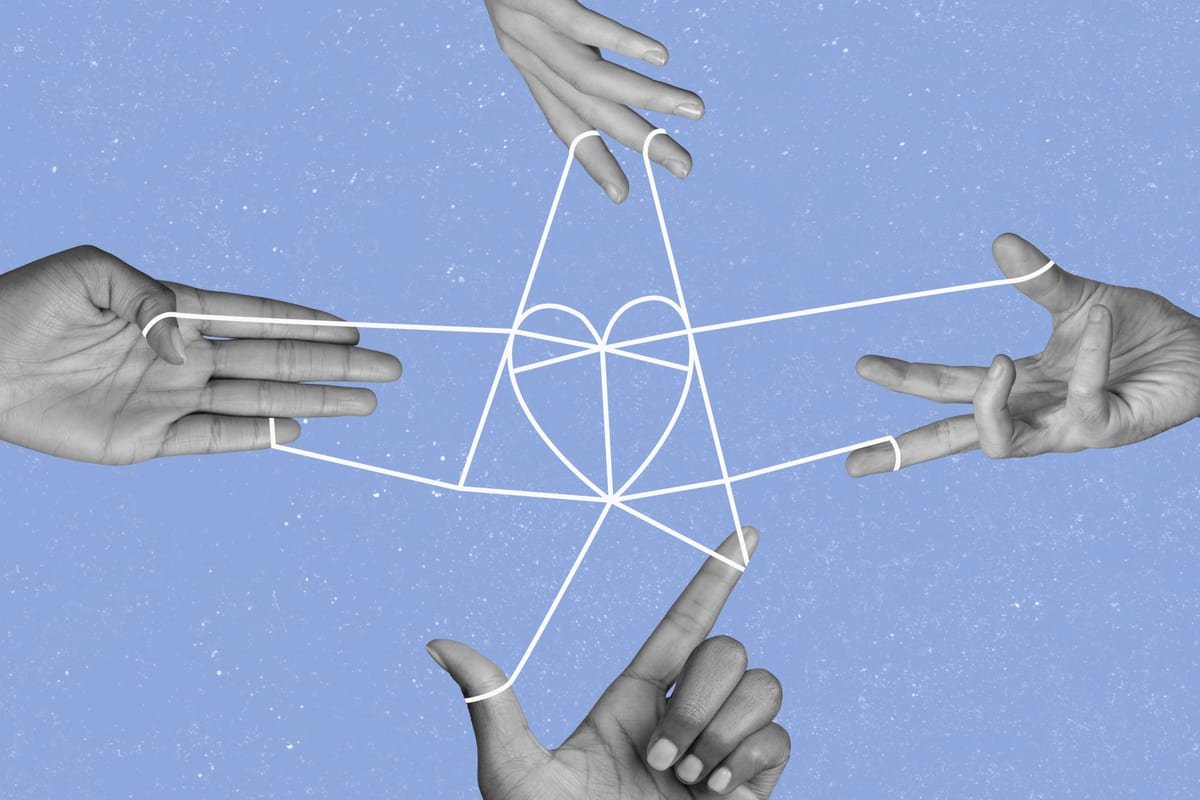
Transform Your Family Dynamics, Transform Your Life
15 lessons · 4 hours · 0.4 ceus
Let your curiosity lead.Are you eager to understand the intricate dance of family dynamics? Curious about how these patterns influence personal growth and relationships? 'Navigating Family Systems: A Path to Healthier Habits' provides a practical approach for those who wish to gain a deeper insight into their family's interactions and develop strategies to foster healthier environments. This course will equip you to recognize and reshape the roles and communication styles within your family, nurturing a more supportive and connected home life.
Throughout the course, you'll delve into the complexities of family interactions, learning how cultural backgrounds and personal values shape roles and hierarchies. You'll discover how prioritizing emotional intelligence and adaptability can transform challenges into opportunities for empathy and resilience, strengthening bonds and building a harmonious family unit. We also explore the influence of parenting styles, addressing the balance between freedom and structure to cultivate an atmosphere that encourages accountability alongside creativity.
One distinctive feature of this course is its emphasis on emotional intelligence as a key component in navigating family interactions. You'll be equipped with practical tools to foster emotional awareness and empathy, skills that not only enhance direct family relationships but also impact interactions beyond the household. Techniques such as mutual storytelling and mindfulness exercises will be introduced, guiding you in creating a nurturing, open environment where every voice is valued.
We believe that healthy family dynamics are the cornerstone of personal well-being. By the end of this course, you'll be equipped to set and respect boundaries with cultural sensitivity, manage family conflicts constructively, and evolve generational norms thoughtfully. You'll come away with skills and insights you can apply to a variety of relational contexts, resulting in a more cohesive and supportive environment for everyone. We're excited to begin this insightful exploration with you, helping you weave together the fabric of understanding and wellness in your family life. Join us with curiosity and care.
15 lessons · 4 hours · 0.4 ceus
Roles and patterns within families influence interactions, with dynamics like enmeshment and disengagement affecting individuality and support. Tools like genograms and self-reflection help identify and shift maladaptive patterns, enhancing family well-being and personal growth.
Understanding family dynamics involves recognizing unique interaction patterns shaped by cultural background, values, and personalities, crucial for fostering a harmonious home. By acknowledging family roles, hierarchies, and communication styles, individuals can realign these elements for healthier relationships.
Rigid role entrenchment and untreated mental health issues can silently mold negative family patterns, hindering personal growth. By reshaping these roles and prioritizing mental health, families can cultivate an atmosphere of understanding and support.
Adaptability and emotional intelligence underpin successful family interactions, aiding in managing emotions and fostering empathy. Such skills enable families to handle challenges constructively, enhancing resilience and creating a robust support system.
Permissive parenting prioritizes freedom over discipline, encouraging creativity, but often lacks boundaries necessary for self-regulation and responsibility. Children raised in these environments might excel in artistic and innovative fields but struggle with accountability and authority.
Navigating family dynamics requires attention to shared identities, cultural understanding, and the rebalancing of hierarchies to support growth and relationship health. Families that focus on educational and collaborative efforts to improve emotional regulation often find themselves more adept at managing conflicts and reinforcing bonds.
By teaching self-awareness and empathy, families strengthen individual relationships and unite against life's challenges. This emotional intelligence framework nurtures supportive environments that extend compassion beyond the home, influencing wider communities.
Creating an environment where family members thrive involves the intentional setting and respecting of boundaries, which cultivates trust and individual empowerment. This lesson underlines the significance of cultural sensitivity and clear communication to successfully navigate and maintain these personal limits.
Biases disrupt family communication and decision-making processes; acknowledging and addressing them using emotional intelligence nurtures understanding and personal growth. Practices like mutual storytelling and mindfulness exercises encourage openness, helping families transcend assumptions and cultivate nurturing, supportive environments.
Socioeconomic conditions heavily influence family responsibilities, impacting children’s development and setting varying expectations. These circumstances can foster both burdens and opportunities for skills and leadership development within the family.
Families are shaped by generational beliefs, which act as invisible scripts guiding interactions and expectations, from parenting styles to financial habits. Embracing this legacy allows families to evolve, using technology and multicultural influences to redefine norms for a more cohesive and supportive unit.
By recognizing diverse roles like the Caregiver, Peacemaker, Rebel, and Scapegoat, families can address systemic issues and promote equity and harmony through open communication. Promoting emotional intelligence empowers empathy, helping members align personal goals with collective wellbeing.
Active listening and emotion regulation are key in reframing conflicts as opportunities for growth, with techniques like open questions leading to collaborative problem-solving. Encouraging empathy and mediation can transform familial disputes into supportive, constructive dialogue, respecting cultural and personal narratives.
Emotional connections define family dynamics with supportive climates boosting resilience, while invalidated emotions may breed insecurity. Family rituals like shared reflections can reinforce bonds and enhance mutual understanding.
Aligning rituals with family values leads to deeper familial bonds and promotes a more harmonious household. By intentionally crafting rituals that reflect core family priorities, such as health or education, families establish environments supportive of emotional stability and shared growth.
More ideas connected to your curiosity.
Empower Your Mind, Transform Your World
15 lessons · 5 hours · 0.5 ceus
Unlock Your Potential: Master the Art of Strategic Thinking
15 lessons · 6 hours · 0.6 ceus
Empowering Minds with Tailored Cognitive Tools
15 lessons · 7 hours · 0.7 ceus
Unlock the Brain: Transform Learning with Neuroscience Insights
15 lessons · 5 hours · 0.5 ceus
Unite, Empower, Educate: Building Bridges with Families
15 lessons · 5 hours · 0.5 ceus
Empower Your Journey to Wholeness
15 lessons · 5 hours · 0.5 ceus
Forge Lasting Harmony, Elevate Your Togetherness
15 lessons · 3 hours · 0.3 ceus
Master the Art of Insightful Solutions
15 lessons · 4 hours · 0.4 ceus
Unleash Innovation: Fuse Creativity with Science
15 lessons · 5 hours · 0.5 ceus
Cultivating Joyful Connections, One Family at a Time
15 lessons · 3 hours · 0.3 ceus
Unlock the Secrets of the Unknown!
15 lessons · 7 hours · 0.7 ceusEmpower Learning with Insights Beyond the Books
15 lessons · 4 hours · 0.4 ceus