Language Arts
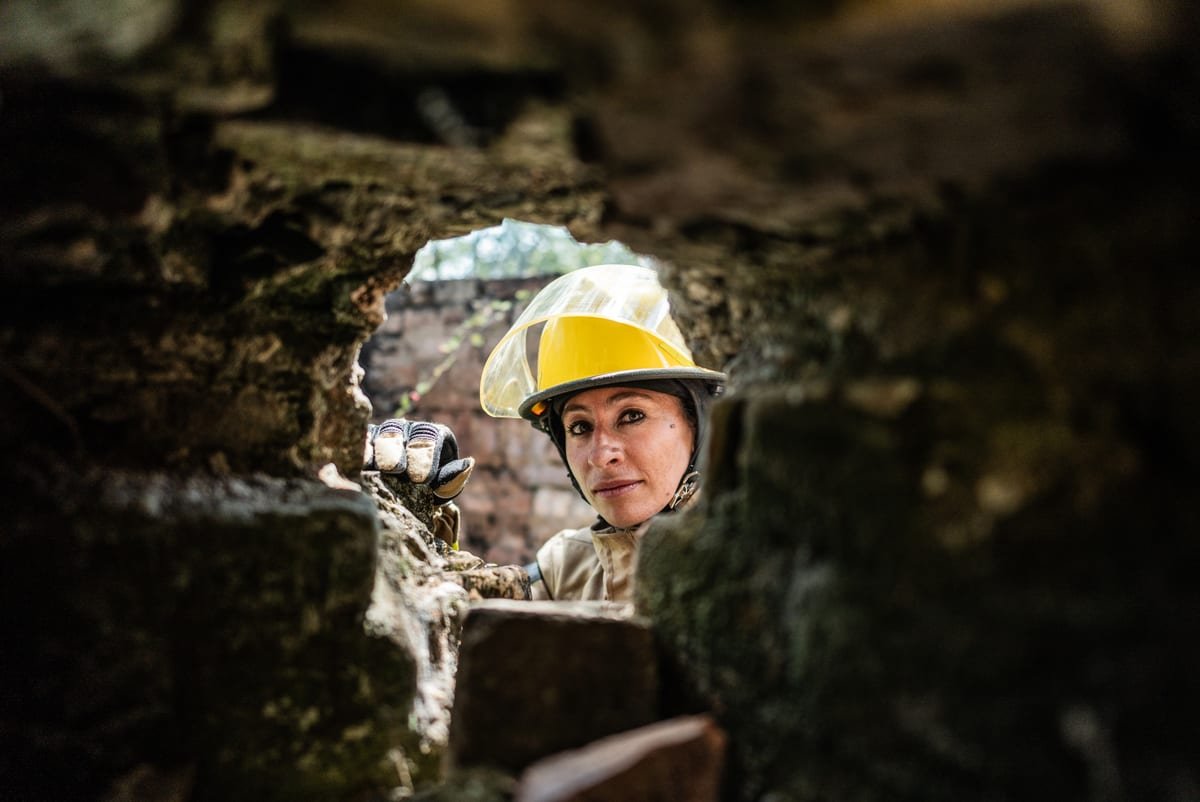
Emergency Preparedness and Survival SkillsMaster the Unexpected, Survive the Unpredictable.
15 lessons · 4 hours · 0.4 ceus
 Close

Tune In, Transform, Thrive: Master the Art of Active Listening
15 lessons · 6 hours · 0.6 ceus
Let your curiosity lead.Are you looking to enhance your communication skills and build stronger connections with others? 'The Art of Active Listening' is designed to help you engage fully and meaningfully in conversations. In this course, you'll discover how active listening goes beyond hearing words, enabling you to understand and connect on a deeper emotional level. You'll learn practical techniques like recognizing nonverbal cues, managing biases, and employing empathy to transform interactions into rewarding exchanges.
Through exploring diverse perspectives and mastering the often-overlooked skills of silence and purposeful inquiry, you'll emerge capable of navigating high-stakes discussions with confidence. Whether enhancing your workplace communication or enriching personal relationships, these skills prove invaluable for fostering trust and collaboration. If you're ready to refine your communication toolkit, this course provides a welcoming space to begin. Join us in cultivating environments where everyone feels heard and valued.
15 lessons · 6 hours · 0.6 ceus
Active listening transforms communication by ensuring full mental and emotional engagement with the speaker, enabling understanding beyond mere words. It builds empathy and strengthens relationships, proving invaluable in both personal interactions and professional environments.
Cultural and language differences pose significant challenges in communication, but awareness and appreciation of diversity can foster greater understanding. Engaging with others from various backgrounds and striving for clarity breaks down these barriers and enriches interaction.
By embedding reflective listening into the fabric of communication practices, individuals can transform conversations into profound experiences that resonate on emotional and intellectual levels. This approach champions the intrinsic value of empathy, nurturing environments where people feel genuinely heard, respected, and motivated to share their truths.
At its essence, empathetic communication involves active listening, where full concentration, understanding, response, and recollection are key to connecting with the speaker on an emotional level. Techniques like reflective listening, recognizing non-verbal cues, and respecting cultural differences ensure more meaningful dialogues and relationships.
Recognizing nonverbal cues like body language and eye contact enriches communication, building trust and empathy in interactions. By mastering these skills, individuals can foster an environment of openness leading to enhanced personal and professional relationships.
Understanding body language is key to enhancing active listening skills, enabling a deeper connection through gestures, expressions, and postures that reveal hidden emotions. Mastering these cues allows for effective communication, both in personal and professional environments, fostering empathy and authentic interactions.
In conversations, silence isn't just a void but a productive element, allowing individuals to process emotions and gather thoughts, fostering patience and empathy. In business or educational settings, mindful pauses can lead to innovative solutions and improved decision-making by giving all participants time to contribute thoughtfully.
Balancing open-ended and closed-ended questions is fundamental in active listening, allowing for deep exploration of topics while ensuring clarity and focus. This dynamic interplay facilitates engaging and directed discussions, enriching both educational and interpersonal interactions.
Empathetic active listening transcends cultural and emotional barriers, promoting inclusivity and open-mindedness in communication. By managing distractions and maintaining patience, listeners foster deeper relationships, contributing to a more equitable and connected world.
Active listening transforms basic conversations into meaningful exchanges by interpreting emotional cues like tone and body language. Understanding both verbal and non-verbal signals fosters deeper empathy and connection.
Listening fatigue, a byproduct of prolonged auditory engagement, results in cognitive exhaustion and diminished focus. Techniques like scheduled breaks, mindfulness, and minimizing noise enhance listening skills and ensure engagement and productivity.
Capable listening requires recognizing biases that distort understanding, with cultural bias often playing a significant role. Actively listening with empathy and open curiosity allows us to transcend stereotypes, enriching our engagement with diverse perspectives.
Effective dialogue acts as a bridge between people, requiring a careful balance of speaking, listening, inquiry, and empathy to achieve meaningful communication. Mastering these skills fosters environments of mutual respect and deeper connections across personal and professional settings.
Empathy enriches communication, creating an environment where individuals feel genuinely heard, fostering trust and deeper understanding in personal and professional settings. In instances like handling workload concerns or cross-cultural dynamics, empathetic interactions promote problem-solving and collaboration, leading to innovative and inclusive dialogue.
Active listening is pivotal in high-stakes discussions, where understanding nonverbal cues and responding with empathy can dramatically reduce miscommunication. In environments like corporate meetings or personal disagreements, utilizing strategic silence, open body language, and reflective feedback empowers collaborative problem-solving.
More ideas connected to your curiosity.
Master the Unexpected, Survive the Unpredictable.
15 lessons · 4 hours · 0.4 ceus
Empower Your Well-Being: Cultivate Balance and Vitality Through Self-Care
15 lessons · 7 hours · 0.7 ceus
Empower Your Home, Master the Basics
15 lessons · 4 hours · 0.4 ceus
Unlock Your Potential, Embrace Limitless Growth
15 lessons · 5 hours · 0.5 ceus
Empower Your Journey to Wholeness
15 lessons · 5 hours · 0.5 ceus
Safeguarding Your Digital World, Together
15 lessons · 5 hours · 0.5 ceus
Transform Conflict into Connection: Navigate the Complex Ties of Dysfunctional Families
15 lessons · 6 hours · 0.6 ceus
Elevate Your Confidence, Master Your Presentation
15 lessons · 5 hours · 0.5 ceus
Empower Change: Mastering Bias Reduction
15 lessons · 5 hours · 0.5 ceus
Connect, Cultivate, Conquer: Your Path to Powerful Relationships
15 lessons · 3 hours · 0.3 ceus
Empower Your Relationships, Define Your Space
15 lessons · 3 hours · 0.3 ceus
Empower Your Path: Transform Challenges into Triumphs
15 lessons · 4 hours · 0.4 ceus