
Spiritual Studies
Budgeting and Financial PlanningMaster Your Money, Secure Your Future
15 lessons · 3 hours · 0.3 ceus
 Close
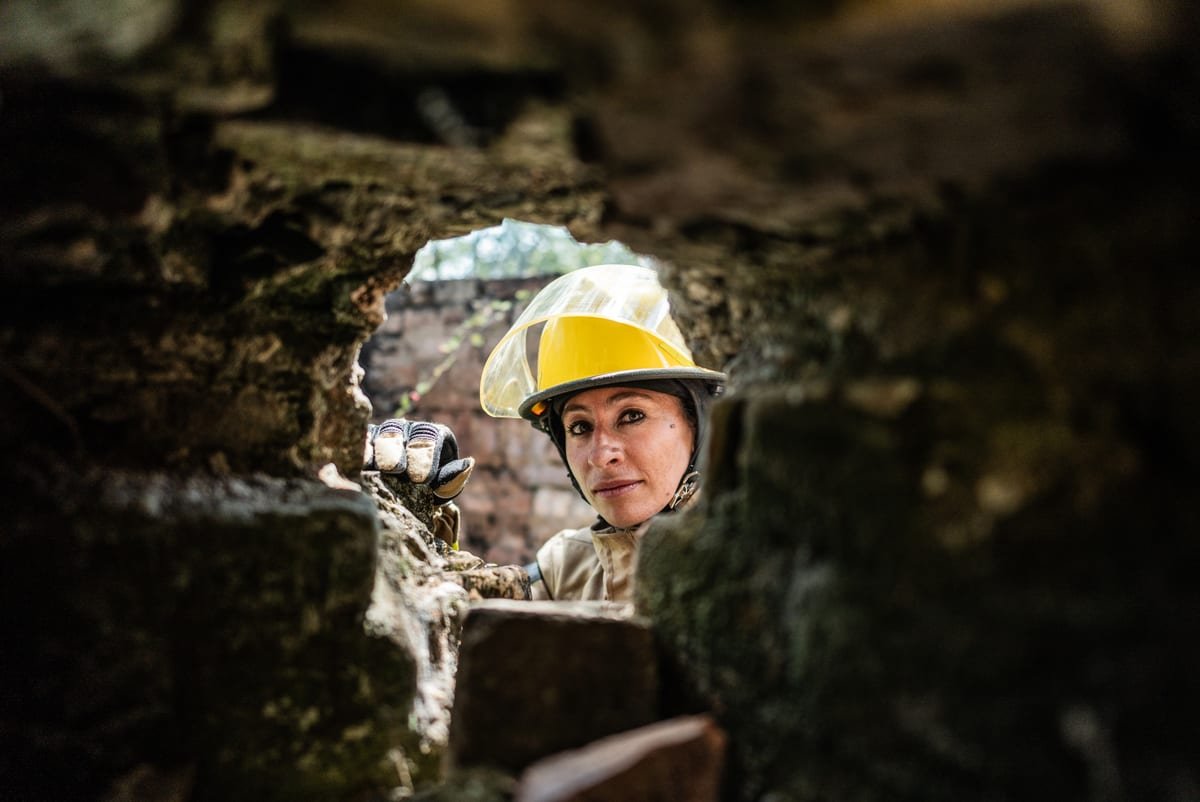
Master the Unexpected, Survive the Unpredictable.
15 lessons · 4 hours · 0.4 ceus
Let your curiosity lead.Are you ready to enhance your skills in emergency preparedness and survival? This course is designed to equip you with advanced strategies for managing emergencies with confidence and clarity. Discover how to tailor your emergency kit, ensuring you're prepared for any situation, while learning to effectively communicate during crises--whether it's through the latest technology or heartfelt empathy.
You'll master essential survival skills such as strategic food planning and adapting CPR techniques for challenging conditions. Hands-on lessons in crisis-specific communication and situational awareness will empower you to make dynamic decisions in high-pressure environments. Experience the synergy between cutting-edge technology and community resilience, and gain invaluable skills like wilderness navigation and risk management.
Anchored by lessons from global leaders in disaster preparedness, this course emphasizes practical, real-world applications to enhance both individual and community resilience. Embark on your learning journey today and build a safer, more prepared community.
15 lessons · 4 hours · 0.4 ceus
Community preparedness, through shared knowledge and engagement, builds resilience, ensuring a unified response to threats and promoting public safety.
Thoughtful personalization of your emergency kit advances your capability to face diverse challenges with clarity, ensuring essential resources are always at hand. Consider the unique needs of your family members, including pets, to holistically prepare for emergencies.
From the unexpected devastation of natural disasters to the complexities of public health threats, understanding crisis-specific communication needs is vital for community preparedness. Employing clarity, empathy, and technology, whether through AI or social media, strengthens public trust and enhances safety measures, paving the way for effective crisis management and resilience.
Effective survival planning is built on the coordination of precise dietary calculations, efficient food storage, and expert understanding of water purification, ensuring self-sufficiency and resilience. This layered approach also integrates psychological comfort and technical preparedness to create a comprehensive, adaptable emergency response.
Adapting CPR for environmental challenges like wet or cold conditions is vital, prioritizing safety and techniques to prevent additional harm, including hypothermia management. Children's CPR demands special attention; rescue breaths become critical in respiratory arrest situations.
Floods and hurricanes, exacerbated by climate change, necessitate robust preparedness frameworks like those seen in Bangladesh and Cuba, where community-based forecasting and resource distribution minimize devastation. Engineering marvels such as the Netherlands' levee systems and London's Thames Barrier exemplify innovative defenses against flooding.
Effective emergency preparedness hinges on mastering situational awareness, where perceiving, comprehending, and predicting environmental changes enable dynamic decision-making to maintain safety. Recognizing potential threats and understanding personal and environmental cues can significantly mitigate crisis impacts.
Fire extinguishers play a vital role in immediate fire response, with each type tailored for specific fire classes like electrical or kitchen fires, necessitating proper usage knowledge to prevent exacerbating dangers. Regular maintenance, strategic placement, and training on firefighting equipment ensure readiness, empowering individuals to respond swiftly and effectively during emergencies.
Climate pressures challenge our power systems; emergency readiness ensures community resilience where renewable technology and education converge to prevent major disruptions. By understanding power outage causes and impacts, individuals can develop tailored strategies, mitigating risks effectively.
Inclusive emergency strategies prioritize vulnerable family members and pets, crafting a culture of empathy and resilience. Through tailored plans that accommodate all household members, communities foster a supportive environment conducive to collective safety and empowerment.
Awareness of natural signs and the synergy between map and compass use fosters a deep, intuitive connection with the landscape. Nature itself becomes a guide, ensuring safety and resilience when modern technology may falter.
Developing a Psychological First Aid Kit involves mastering stress management techniques and fostering a mindset of empathy and effective communication. Building resilience within individuals and communities offers a foundation for thriving in emergencies by transforming stress into an empowering challenge.
Effective emergency communication relies on both archaic and modern methods to signal for help, blending simplicity with innovation to ensure safety. From visual cues to auditory signals, these techniques bridge the gap between isolation and connection during critical conditions.
Personal and community preparedness is vital in navigating today's unpredictable world, with individual and collective actions enhancing resilience against emergencies. Technological advancements, like GIS and early warning systems, play a pivotal role in strategic planning and hazard mitigation, benefiting both immediate responses and long-term recovery efforts.
Amid crises, identifying reliable sources like reputable news outlets, government bodies, and recognized non-profits is vital for accessing accurate information. These institutions have rigorous protocols, setting them apart from unreliable sources prone to sensationalism.
More ideas connected to your curiosity.
Master Your Money, Secure Your Future
15 lessons · 3 hours · 0.3 ceus
Decode the Ego: Empower Change
15 lessons · 6 hours · 0.6 ceus
Empower Your Path: Transform Challenges into Triumphs
15 lessons · 4 hours · 0.4 ceus
Ignite Innovation, Empower Your Enterprise
15 lessons · 7 hours · 0.7 ceus
Foster Connections, Ignite Action!
15 lessons · 7 hours · 0.7 ceus
Navigate Tomorrow, Master Change Today
15 lessons · 7 hours · 0.7 ceusMaster the Unexpected, Survive the Unpredictable.
15 lessons · 4 hours · 0.4 ceus
Empower Your Digital Journey: Master Skills, Secure Futures
15 lessons · 6 hours · 0.6 ceus
Unearth, Understand, and Heal: Navigate the Spectrum of Psychological Trauma
15 lessons · 7 hours · 0.7 ceus
Tune In, Transform, Thrive: Master the Art of Active Listening
15 lessons · 6 hours · 0.6 ceus