Art & Design
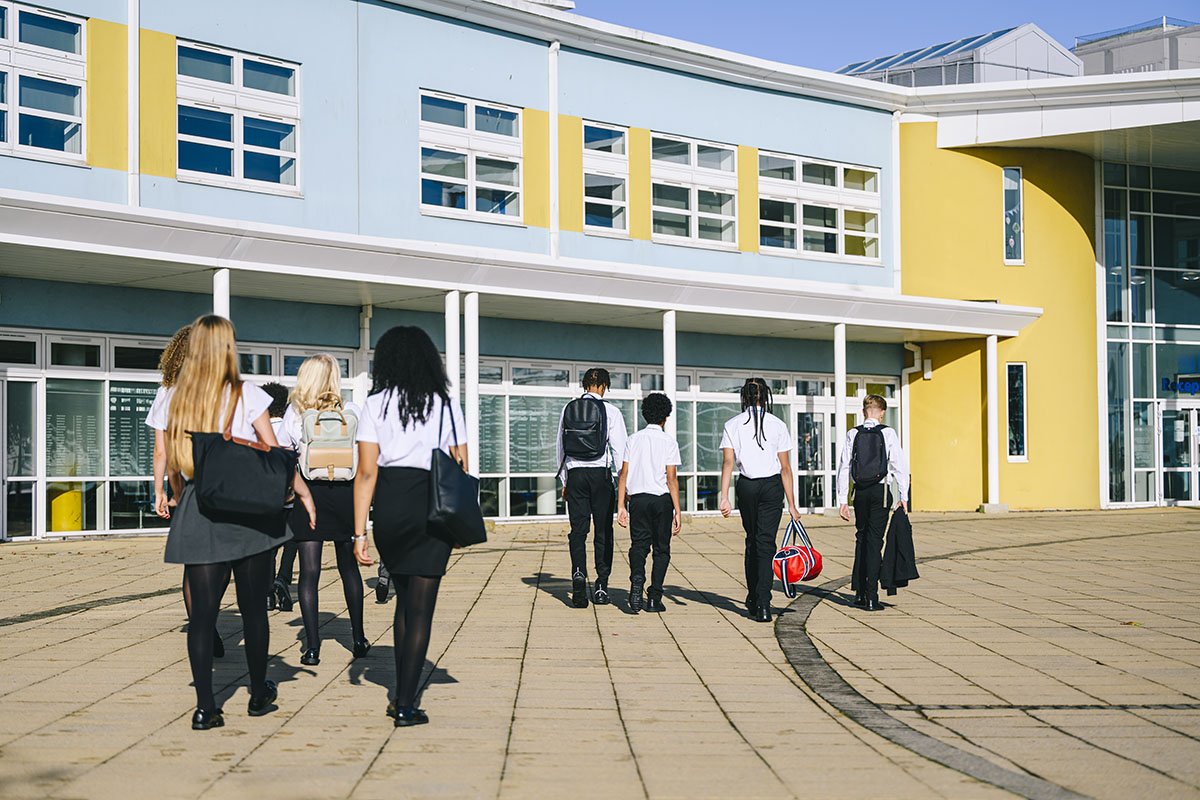
Recognizing and Supporting Gifted Students with DisabilitiesUnlocking Potential: Empowering Twice-Exceptional Learners
15 lessons · 5 hours · 0.5 ceus
 Close
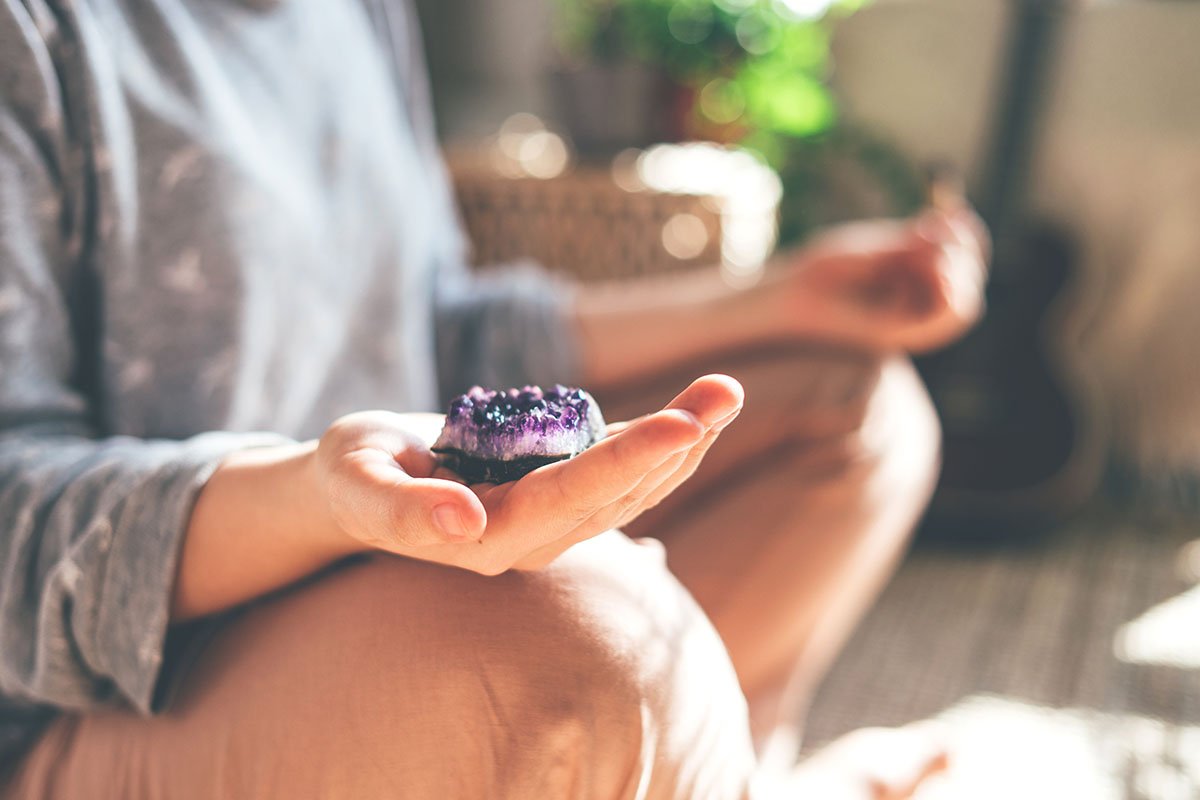
Cultivating Calm: Empowering Every Learner's Journey
15 lessons · 6 hours · 0.6 ceus
Let your curiosity lead.Are you passionate about working with special needs students and eager to provide them with tools for emotional balance and enhanced learning? Our course, 'Mindfulness and Relaxation Techniques for Special Needs Students,' is designed to equip you with practical strategies that can make a meaningful difference in their daily experiences. With mindful breathing exercises, sensory strategies, and guided imagery, you'll learn how to create inclusive practices that not only resonate with each student's unique needs but also foster resilience and attention management.
Imagine being able to integrate art and music into your educational approach, not as subjects, but as powerful tools for emotional well-being. This course delves into the world of art-based mindfulness activities, like clay modeling and simple musical experiences, which engage students on a sensory level. This engagement can underpin substantial improvements in emotional awareness, life skills, and deep cognitive focus. By incorporating these methods, you'll facilitate environments where students can manage stress effectively and experience growth in both academic and personal dimensions.
How about discovering the impact of aromas like lavender and chamomile in calming classroom environments or engaging in mindfulness practices that foster self-esteem and emotional intelligence? You'll explore these techniques and witness their immediate benefits on emotional regulation and improved concentration, especially for students who experience ADHD or anxiety. With a holistic approach that brings yoga and mindful eating into the fold, you'll support holistic wellness, enhancing not only their educational journey but their overall quality of life.
Designed for educators and caregivers committed to nurturing inclusive and supportive communities, this course offers you hands-on tools and empathetic strategies tailored to diverse needs. We welcome you to join us and discover how these carefully crafted mindfulness techniques can transform your approach to special needs education and foster a nurturing, balanced, and responsive learning environment.
15 lessons · 6 hours · 0.6 ceus
Customized mindful breathing techniques enhance emotional resilience and attention management, providing special needs students with lifelong coping tools. By using multisensory elements, these exercises create an inclusive, engaging mindfulness practice tailored to individual needs and abilities.
Incorporating guided imagery into daily routines provides special needs students with a pathway to emotional and cognitive well-being. This structured visualization practice supports stress management and improves engagement and academic performance.
Collaborative efforts between educators and caregivers in special needs education highlight the need for flexible meditation strategies tailored to unique student needs, fostering inclusion and emotional growth. This empathetic approach promotes self-esteem and enhances the learning environment by celebrating each student's developmental journey.
Mindfulness techniques like guided meditations and sensory listening encourage emotional regulation and improved focus, benefiting students with ADHD or anxiety. These practices empower students to manage their emotions and concentrate in dynamic educational settings, fostering personal growth.
The sense of smell, often underestimated, has a profound impact on relaxation through its direct connection to the brain's limbic system, where emotions are processed. Aromatherapy using essential oils like lavender and chamomile, combined with other sensory inputs, creates an environment of stability and calmness, crucial for students with sensory sensitivities.
Integrating yoga into the education of special needs students enhances body awareness, fostering a holistic approach to well-being by connecting mindfulness with physical presence. This union aids in emotional regulation and cognitive development, transforming how students engage with themselves and their environment.
Art-based mindfulness activities offer tactile and sensory experiences, such as clay modeling, which engage students deeply, fostering calmness and emotional regulation. These creative outlets underpin substantial improvements in life skills and emotional awareness.
Studies reveal that music stimulates various brain areas connected to emotion and memory, making it an invaluable resource for educators and therapists aiming to bolster psychological well-being for special needs students. Through tailored musical experiences, students enhance cognitive focus, reduce sensory overload, and engage more deeply with their emotional landscapes.
Implementing mindfulness and relaxation techniques helps manage emotional triggers in special needs students by fostering self-awareness and emotional regulation. Crafting calming environments and encouraging peer support further aids emotional well-being and nurtures inclusive, accepting communities.
Gratitude and active listening exercises integrated into daily routines cultivate empathy and emotional intelligence among special needs students. Such practices improve academic performance and behavior outcomes, creating a supportive classroom atmosphere.
Mindful eating encourages students, especially those with special needs, to fully engage their senses during meals, promoting awareness and responsible eating habits. This practice has the potential to reduce stress and foster better mental and physical health.
Incorporating PMR into daily routines can improve relaxation, reduce anxiety, and promote better sleep quality for special needs students. The practice allows parents and educators to support students in developing resilience and self-awareness, reinforcing holistic wellness and emotional connection.
Visual aids support mindful engagement by providing structured experiences that address sensory needs, fostering calmness and concentration. By using simple cues like color and light, educators create serene learning environments that align with students' sensory profiles.
Mindfulness in education for special learners supports emotional regulation, stress reduction, and improved focus, empowering students academically and personally. Through culturally attuned practices and diverse sensory activities, educators create inclusive learning environments that celebrate students' unique abilities and heritage.
Mindfulness transforms classrooms into supportive environments, where students learn to navigate their emotions and reduce anxiety. Teachers can incorporate simple exercises like mindful coloring and listening, helping students shift from overthinking to a state of tranquil focus.
More ideas connected to your curiosity.
Unlocking Potential: Empowering Twice-Exceptional Learners
15 lessons · 5 hours · 0.5 ceus
Master Efficiency, Lead with Confidence
15 lessons · 4 hours · 0.4 ceus
Master the Art of Influence to Elevate Your Business Success
15 lessons · 7 hours · 0.7 ceus
Elevate Your Elegance, Define Your Style
15 lessons · 6 hours · 0.6 ceus
Navigate Hearts with Wisdom: Unite Thoughtful Choices and Deep Bonds
15 lessons · 4 hours · 0.4 ceus
Empower Minds: Transform ADHD Challenges into Learning Triumphs
15 lessons · 4 hours · 0.4 ceus
Unlocking Potential Through Partnership
15 lessons · 3 hours · 0.3 ceus
Unlock the Art of Meaningful Online Bonds
15 lessons · 7 hours · 0.7 ceus
Fostering Connection Across Generations
15 lessons · 5 hours · 0.5 ceus
Unleash Your Style, Redefine Tomorrow
15 lessons · 6 hours · 0.6 ceus
Master Your Money, Secure Your Future
15 lessons · 3 hours · 0.3 ceus
Empower Your Words, Elevate Your World
15 lessons · 3 hours · 0.3 ceus