Parenting and Family
Fashion Design: Tradition, Technology, and SustainabilityCraft Tomorrow's Elegance Today
15 lessons · 6 hours · 0.6 ceus
 Close
Where Timeless Elegance Meets Contemporary Luxe
15 lessons · 7 hours · 0.7 ceus
Let your curiosity lead.Discover the art of merging the past with the present in our 'Blending Vintage and Modern Design' course, where you'll gain insights into how iconic design eras shape today's luxury spaces. Dive into the elegance of mid-century modern simplicity and the bold geometry of Art Deco, exploring how these styles can be artfully integrated into contemporary living. Imagine crafting spaces that speak of history and modernity, seamlessly blending Victorian opulence with today's subtler palettes or transforming nostalgic rural charm into urban sophistication.
By the end of this course, you'll be equipped with the knowledge to create spaces that are not only aesthetically pleasing but also rich in cultural narrative. Enjoy learning from tangible examples that interweave old-world craftsmanship with cutting-edge design, setting the foundation for a sustainable, storied future in design. No matter your starting point, you're warmly invited to explore the limitless creativity and culture that defines the fusion of vintage and modern aesthetics. Come join us in this journey of timeless elegance!
15 lessons · 7 hours · 0.7 ceus
The adaptive reuse of vintage architecture for contemporary luxury spaces hinges on sustainable practices and cultural appreciation, achieving a narrative depth that bespoke new materials often fail to capture. Mindful incorporation of historical elements--be it through reclaimed materials or classical motifs--results in spaces that honor tradition while embracing modernity.
Mid-century modern design, originating in the mid-20th century, seamlessly blends simplicity and functionality, drawing inspiration from the Bauhaus movement and Scandinavian principles. Its enduring appeal lies in its ability to merge historical depth with modern luxury, offering timeless elegance and practical design solutions.
Emerging in the 1920s and 1930s, Art Deco melded luxury and innovation, capturing the world with its geometric forms and vibrant materials. Its style reflects an era of rapid technological advancement and societal shifts, leaving an enduring legacy in architecture and design.
Integrating Victorian color schemes into modern interiors offers a revitalizing connection between past opulence and present-day preferences for subtler palettes. By selectively infusing rich, historical hues, contemporary spaces can achieve both visual intrigue and emotional resonance.
The Regency style, spanning 1811-1820 in Britain, brought profound influence to modern luxury by integrating neoclassical symmetry with exotic materials. This historical design movement empowers modern spaces through elegant balance, timeless proportion, and opulent aesthetics.
Characterized by earthy tones and handcrafted elements, original country style transforms into a symbol of sustainable sophistication in the city. This confluence reveals timeless elegance where architectural nostalgia meets modern comforts.
The 70s and 80s represented a paradigm shift in design, marked by a departure from minimalism to individualized and bold expressions. Modern luxury seamlessly integrates these once revolutionary aesthetics into sophisticated designs, showcasing a continued embrace of innovation and cultural diversity.
Designers leverage the historical depth of heritage fabrics to create a bridge between past and present, enriching their designs with stories of luxury and craftsmanship. By reviving and reimagining textiles such as silk, linen, and wool, they honor tradition while infusing contemporary fashion with sustainable practices.
Antique provenance provides more than monetary value, intertwining a piece's history with current ownership, making each acquisition a journey through time. From auction catalogs to personal estates, understanding provenance enriches the antique world with narratives that span generations.
The era's emphasis on emotional resonance through chiaroscuro continues to captivate modern designers, who use lighting to add depth and narrative. Through strategic illumination, spaces are transformed into visual spectacles akin to Baroque paintings, enhancing their aesthetic appeal.
The allure of patina, representing history and longevity, underscores its importance in sustainable luxury design. By embracing this interplay of history and material, designers can create pieces that are both timeless and environmentally conscious.
Material choice in Gothic-modern design bridges old-world charm and current craftsmanship, harmonizing stone and wood's tactile beauty with sleek surfaces. Balancing historical significance and modern functionality results in interiors that celebrate strength, elegance, and timeless sophistication.
In a world driven by innovation, vintage technologies like gramophone-inspired Bluetooth speakers and mechanical watches remind us of bygone quality and craftsmanship. These items transcend their functional roles, offering stories and heritage that complement today's luxury lifestyle.
The global luxury market's embrace of vintage styles signifies a profound cultural storytelling journey. By merging historical influences with modern design, designers celebrate multicultural dialogues and ethical practices, creating products that resonate deeply with today's conscience-driven consumers.
Historical design techniques meet modern luxury to craft a sustainable future, drawing on artisanal craftsmanship to marry past aesthetics with eco-friendly practices. By reviving methods like natural dyeing and hand-weaving, designers create unique, enduring fashion that minimizes environmental impact.
More ideas connected to your curiosity.
Craft Tomorrow's Elegance Today
15 lessons · 6 hours · 0.6 ceus
Curate Elegance, Live Simplified
15 lessons · 7 hours · 0.7 ceus
Influence Echoes: Define Tomorrow's Glamour Today
15 lessons · 5 hours · 0.5 ceus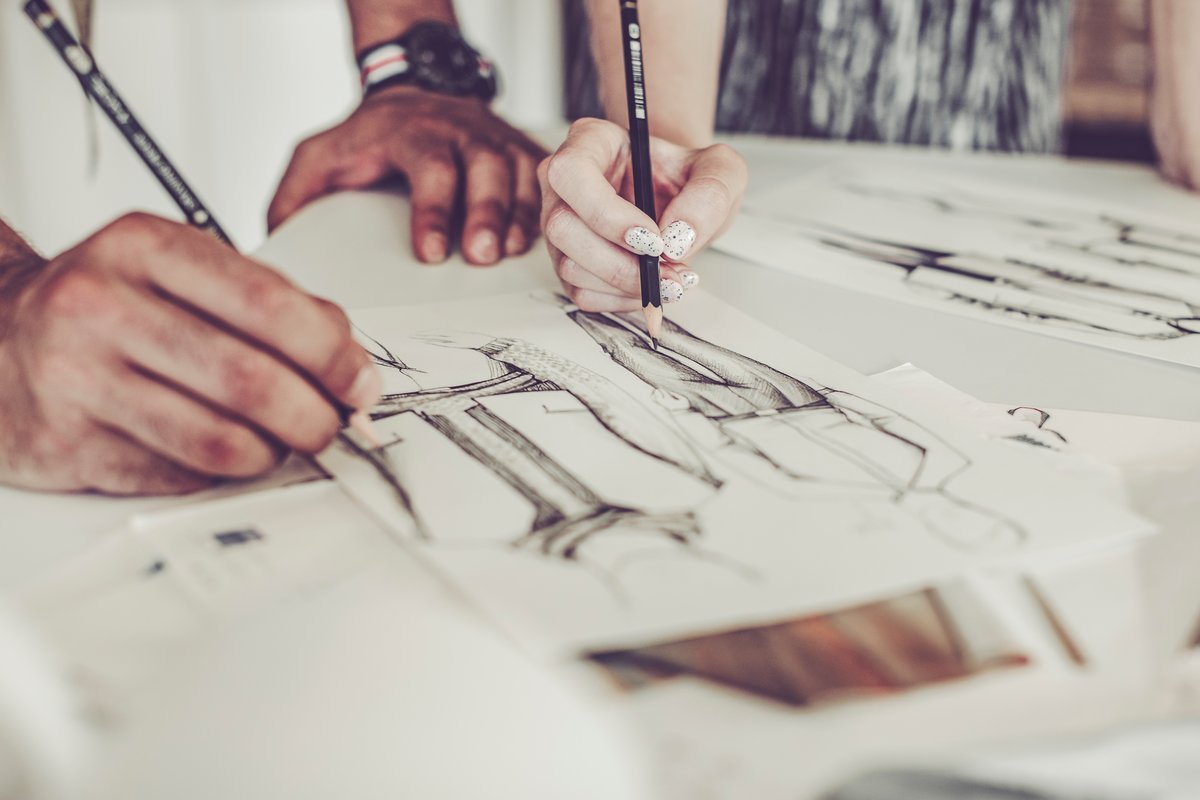
Are you intrigued by the stories behind the opulence and allure of luxury design? If you've ever wondered how today's designers are pushing
15 lessons · 4 hours · 0.4 ceus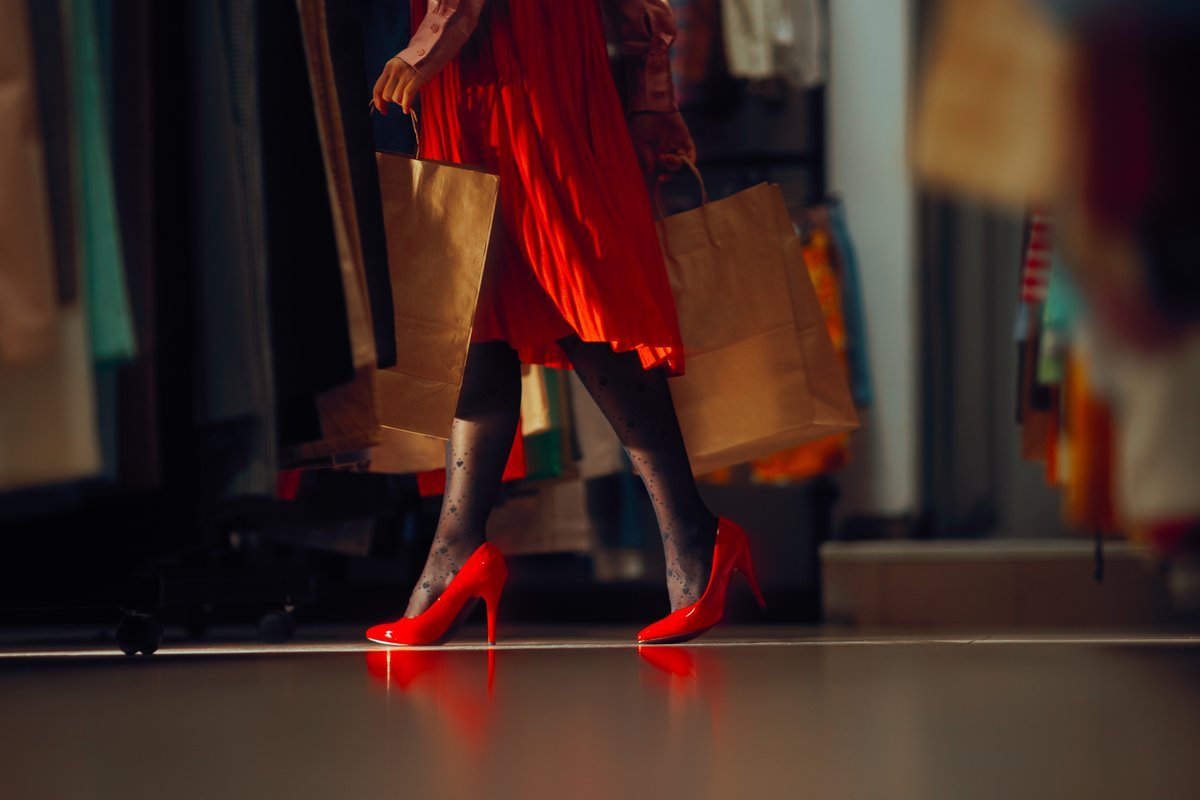
Elevate Your Style, Transform from Everyday to Extraordinary
15 lessons · 3 hours · 0.3 ceus
Unlock the Essence of Modern Living
15 lessons · 6 hours · 0.6 ceusExplore the Pulse of Style Today!
15 lessons · 6 hours · 0.6 ceus
Defy Trends, Define Fashion
15 lessons · 7 hours · 0.7 ceus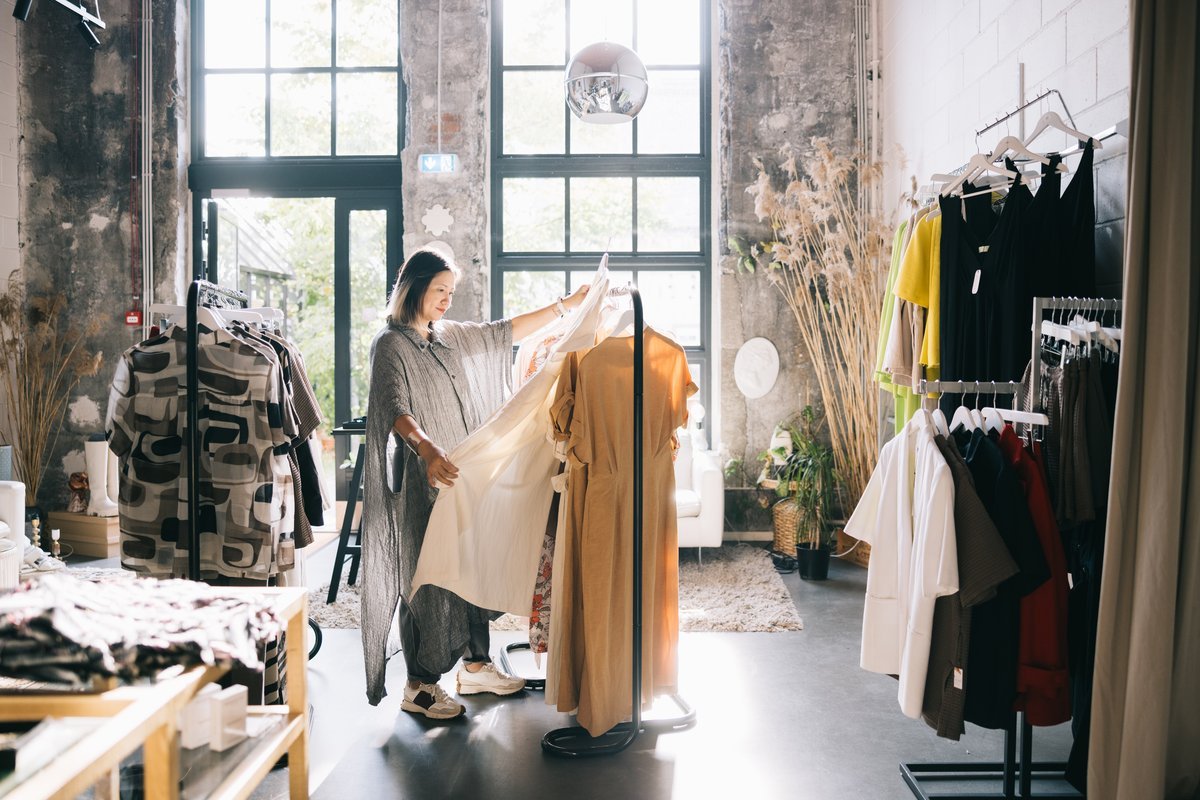
Elevate Your Elegance, Nurture Our Planet
15 lessons · 4 hours · 0.4 ceus
Elevate Your Style, Master the Essentials
15 lessons · 3 hours · 0.3 ceus
Redefine Opulence, Shape the Future
15 lessons · 6 hours · 0.6 ceus
Unleash Your Signature Elegance in Designer Fashion
15 lessons · 7 hours · 0.7 ceus