Home & Everyday Living
How Fashion Trends Take ShapeUnleash Your Style, Redefine Tomorrow
15 lessons · 6 hours · 0.6 ceus
 Close
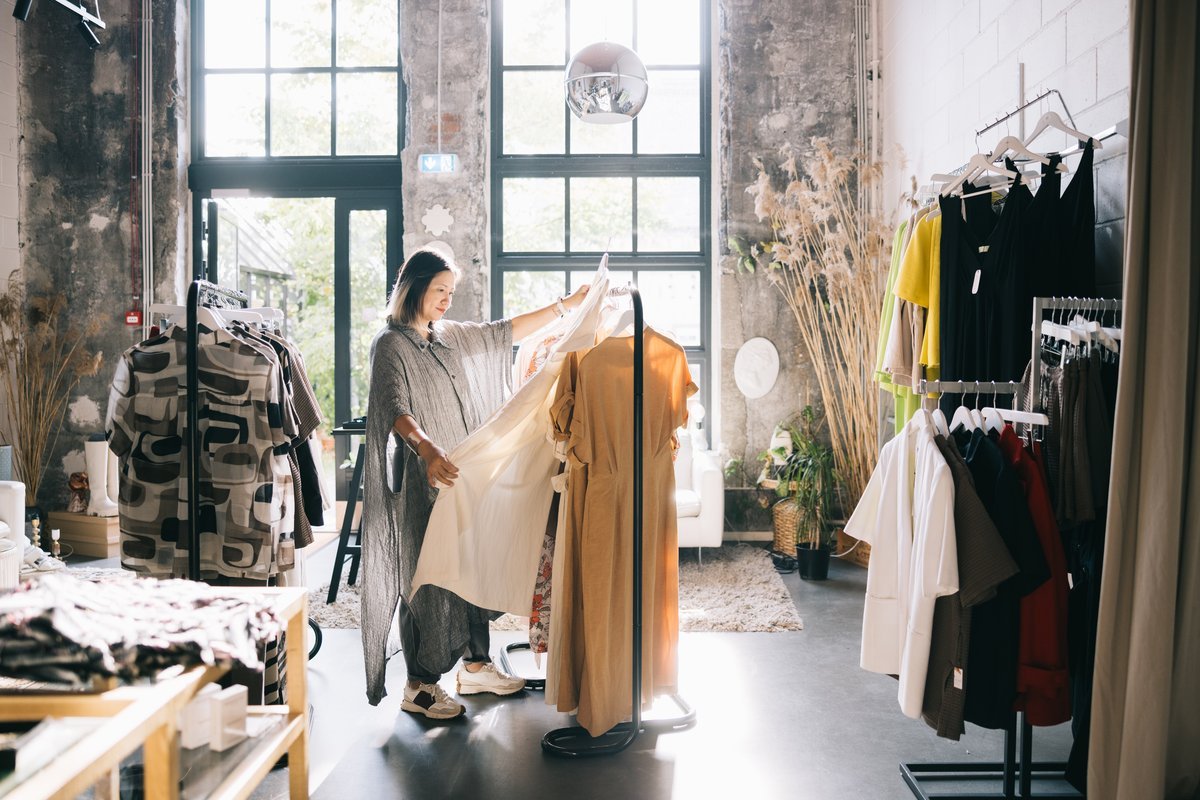
Elevate Your Elegance, Nurture Our Planet
15 lessons · 4 hours · 0.4 ceus
Let your curiosity lead.Are you intrigued by the fashion world but troubled by its environmental impact? You're not alone--and you won't be once you join our engaging course, 'Sustainable Fashion: Materials, Ethics, and Style.' Together, we'll delve into how fashion can evolve to respect both people and the planet. Imagine wielding the power to identify and choose clothing that aligns with your ethical and environmental values. This course will equip you with the insights and know-how to participate meaningfully in the shift from fast to sustainable fashion.
You'll learn about innovative pathways in this dynamic industry, like how rental fashion and second-hand markets are setting a precedent for sustainability without sacrificing style. Explore the emerging materials crafted from hemp and mycelium-based leather, revolutionizing fashion aesthetics with eco-friendly alternatives. Gain insights into how pioneering brands, such as Patagonia and Stella McCartney, are turning materials destined for waste into chic, environmentally conscious clothing. By the end of the course, you'll have a strong understanding of practical steps for extending garment life, the essence of ethical sourcing, and the influence of technology on sustainable practices, setting the stage for informed, impactful consumer decisions.
The course is interactive and rigorous, yet approachable, providing a comprehensive overview of the industry's evolution. You'll gain fresh insights into how traditional artisanship marries modern luxury to create fashion that's not just beautiful but also meaningful. As you explore these intersections, you'll uncover opportunities for promoting and supporting fair-trade practices, rediscovering the value in high fashion that is truly luxurious yet sustainable.
If you're ready to align your passion for style with your commitment to sustainability, this course is a natural fit. Join us and transform the way you view, purchase, and appreciate fashion. Get started today, and take your place at the forefront of sustainable style.
15 lessons · 4 hours · 0.4 ceus
The rise of rental fashion and second-hand markets signals a new era of shared economy models in the industry, offering variety without the environmental cost of fast fashion. By fostering a culture of mindful consumption, these trends keep clothing in circulation longer and reduce textile waste substantially.
Circular fashion prioritizes designs that extend garment life through practices like modular design and upcycling, illustrated by brands such as Stella McCartney and Patagonia. Consumer roles in sustainability are highlighted by the importance of recycling and community-driven initiatives, contributing to a shift in fashion dynamics.
Ethical sourcing in fashion necessitates a commitment to fairness and transparency, allowing brands to ensure that their materials and labor respect both human rights and environmental sustainability. With the rise of initiatives like fair trade and certifications, consumers can make informed decisions that bolster industry standards, leveraging their purchasing power for global change.
Driving innovation in the luxury sector, circular fashion blends timeless style with renewable resources like organic cotton and recycled fibers. This movement promotes longevity through adaptable designs and fabric-to-fabric recycling, combating fast fashion's environmental impact.
Hemp and emerging biotechnologies are redefining modern aesthetics, offering robust, eco-friendly alternatives like mycelium-based leather. These innovations embody a forward-thinking approach to fashion, fusing natural beauty with sustainability and animal welfare considerations.
Ethical supply chains in the luxury industry reflect a commitment to environmental and social integrity, enhancing brand credibility and consumer trust. With advancements like blockchain technology and fair labor practices, brands can ensure ethical production and strengthen consumer relationships.
Through transforming food waste into luxurious fabrics, sustainable fashion pioneers also create ethical leather substitutes, prioritizing a reduced carbon footprint. This shift is complemented by the resurgence of hemp and recycled fibers, redefining sustainable fashion's narrative.
The fusion of traditional artisanship with modern luxury design fosters products that are more than status symbols; they are bearers of cultural identity and narratives. As consumers become more environmentally aware, this integration aligns with values of sustainability, authenticity, and heritage, inviting a conscious approach to luxury consumption.
Fashion's intricate web of production—from sourcing to shelf—demands transparency to ensure sustainability. Technological innovations, like blockchain and recycled materials, reshape industry standards for ethical fashion.
Initiatives within the sustainable fashion industry showcase how collaborations between brands, technology, and education are pivotal in transforming ecological and social responsibility into core business values. These partnerships not only inspire industry innovations but also reflect the growing consumer desire for transparency and environmentally benign luxury.
Historically driven by scarcity, upcycling in fashion marries necessity with innovation in today's sustainable style movement, emphasizing waste reduction. Designers now harness advanced technology and consumer education to craft luxurious pieces that champion a sustainable and ethical vision for the future of fashion.
Luxury's exalted status throughout history—from ancient architecture to Renaissance art—illustrates its enduring link with craftsmanship, yet modern challenges beckon a more ethical narrative. As conscious consumerism rises, the luxury industry faces the task of blending elegance with environmental stewardship.
The global fashion industry, typically seen as a beacon of style, conceals a hefty environmental toll, highlighting an urgent need for sustainable practices. As society gravitates towards eco-conscious living, understanding fashion's ecological impact becomes pivotal for driving meaningful change.
Confronting fast fashion's ecological detriments, sustainable practices are reimagining textiles through technologies like recycled polyester and zero-waste design. This shift aspires to harmonize luxury and eco-consciousness, demonstrating fashion's potential to drive meaningful environmental change.
In the realm of modern fashion, cultural influences offer powerful inspiration, guiding designers towards sustainability and ethical responsibility. By collaborating with traditional artisans and respecting cultural heritage, fashion can become a meaningful platform for advocacy and global diversity.
More ideas connected to your curiosity.
Unleash Your Style, Redefine Tomorrow
15 lessons · 6 hours · 0.6 ceus
Elevate Your Style, Transform from Everyday to Extraordinary
15 lessons · 3 hours · 0.3 ceus
Elevate Your Elegance, Define Your Style
15 lessons · 4 hours · 0.4 ceus
Unlock the Essence of Modern Living
15 lessons · 6 hours · 0.6 ceusElevate Your Elegance, Nurture Our Planet
15 lessons · 4 hours · 0.4 ceus
Elevate Your Elegance, Define Your Style
15 lessons · 6 hours · 0.6 ceus
Where Past Meets Paris, Defining Tomorrow's Style
15 lessons · 5 hours · 0.5 ceus
Influence Echoes: Define Tomorrow's Glamour Today
15 lessons · 5 hours · 0.5 ceus
Unleash Your Inner Mogul: Master the Art of High-End Fashion
15 lessons · 5 hours · 0.5 ceus
Explore the Pulse of Style Today!
15 lessons · 6 hours · 0.6 ceus
Discover the World, Wear the Passion.
15 lessons · 7 hours · 0.7 ceus
Elevate Your Style, Master the Essentials
15 lessons · 3 hours · 0.3 ceus