
Art & Design
Inquiry-Based Learning StrategiesEmpower Curious Minds, Ignite Transformative Learning
15 lessons · 5 hours · 0.5 ceus
 Close
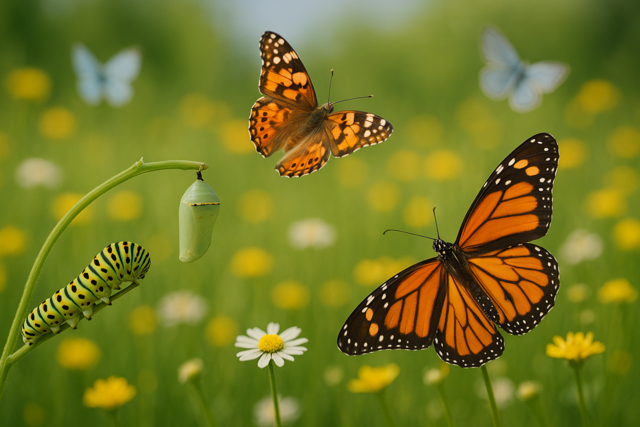
Transform Your World, One Butterfly at a Time
10 lessons · 2 hours · 0.2 ceus
Let your curiosity lead.Welcome to the amazing world of butterflies! Most of us have seen butterflies in our backyard, and admired them, but many of us don't know much about them. In this course on Butterflies, we'll introduce students into the fascinating world of the butterfly. Students will learn the basics regarding butterfly anatomy, including how a butterfly flies. Understanding the lifecycle of butterflies, from egg to adult, is a fascinating metamorphosis, one of the most unique found in nature.
Throughout this course, students will learn about different types of butterflies, the difference between a moth and a butterfly, and how butterflies are classified in families and species. Butterfly habitats are as diverse as the types and colors of butterflies in our environment, and students will learn about butterfly habitats, their favorite plants and flowers found in their own backyard to those that populate certain geographical regions. In addition to learning about butterfly habitats, students will learn the basics regarding the raising of butterflies based on region, as well as the type of equipment you may need to properly capture and care for your butterflies.
This course will also focus on butterfly taxonomy and etymology, further exploring the classification of butterflies according to behaviors, species, and habitats, as well as how butterflies got their name. We'll explore some fun and interesting facts about butterflies, as well as more serious topics such as the importance of butterflies in numerous cultures throughout the world, based myths, legends, art and history.
Finally, we'll conclude the course would an explanation of exactly what butterflies do (other than look pretty) in our environment, the food chain, and in the propagation and pollination of plants.
10 lessons · 2 hours · 0.2 ceus
Butterflies serve as ecological barometers, reflecting the health of our environment while enriching the literary and cultural landscapes with their symbolism of change and beauty. Their remarkable survival strategies, such as sequestering toxins and polymorphism, underscore their evolutionary ingenuity and ecological significance.
Butterflies, transcending through their four-stage life cycle from egg to adult, embody the marvels of metamorphosis, reflecting nature's artistry and resilience. These delicate creatures, crucial in pollinating plants, remind us of our role in preserving biodiversity and appreciating life's continual changes.
From skippers to swallowtails, butterflies boast over 20,000 species globally, each offering unique contributions to ecosystems through adaptations that enchant scientists and nature enthusiasts alike. Their vital engagements in pollination and environmental health underscore their significance beyond mere visual appeal.
Triumphant conservation stories highlight habitat restoration and educational outreach, pivotal strategies in reversing butterfly population declines. These initiatives highlight the interconnectedness of ecosystems, as butterflies signify environmental health and contribute significantly to pollination and food webs.
Carl Linnaeus pioneered modern taxonomy, enabling precision in naming and categorizing species, including butterflies. Their stunning diversity and adaptations reveal evolution’s mastery and the necessity of ecological preservation.
Witnessing the enchanting lifecycle of butterflies, from egg to adult, offers a unique, hands-on insight into nature's transformative processes and fosters biodiversity appreciation. Creating optimal habitats based on geographic considerations and tailored care practices ensures successful butterfly nurturing for enthusiasts of all skill levels.
In Mexican culture, butterflies are perceived as the souls of ancestors, prominently featured during the Day of the Dead, whereas in Celtic tradition, they are seen as spiritual guides. Universally, butterflies symbolize transformation, inspiring personal change and artistic beauty, a testament to their profound symbolic weight.
With species numbering over 17,500, butterflies enchant us with their kaleidoscope of colors and behaviors, embodying themes of transformation and ecological balance. Their sensitive nature often reflects the well-being of the ecosystems they inhabit.
Butterflies journey through history as emblems of metamorphosis, influencing art and culture from ancient myths to modern interpretations. Their presence in various civilizations highlights themes of beauty, spiritual rebirth, and the ephemeral nature of life.
As butterfly caterpillars prune plant growth and facilitate nutrient cycles, their vibrant adult forms continue to enhance biodiversity through pollination. They also serve as prey, creating links across trophic levels that highlight their complex ecological roles and necessitate protective measures.
More ideas connected to your curiosity.
Empower Curious Minds, Ignite Transformative Learning
15 lessons · 5 hours · 0.5 ceus
Navigate Tomorrow's Challenges with Cultural Insight
15 lessons · 4 hours · 0.4 ceus
Master the Unexpected, Survive the Unpredictable.
15 lessons · 4 hours · 0.4 ceus
Live Green, Thrive Sustainably
15 lessons · 7 hours · 0.7 ceus
Ignite Innovation: Craft the Future of STEM Education
15 lessons · 3 hours · 0.3 ceus